audiobriefs
10:35in productionCh. 1 · 1978 launch/ 10:35 · ceiling 15 min
Guitars & amps

Gibson RD Artist

A 1978 Gibson with Moog electronics and weak humbuckers — built for control, not power.

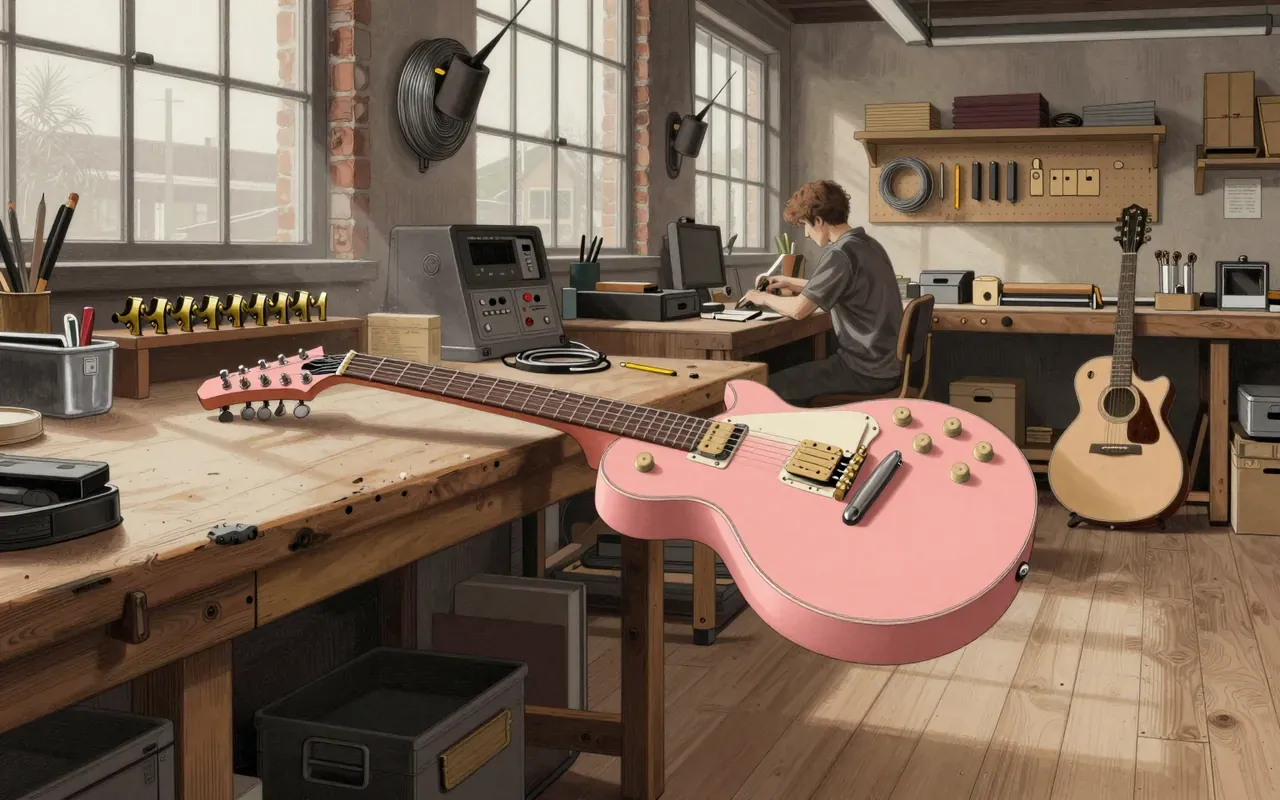
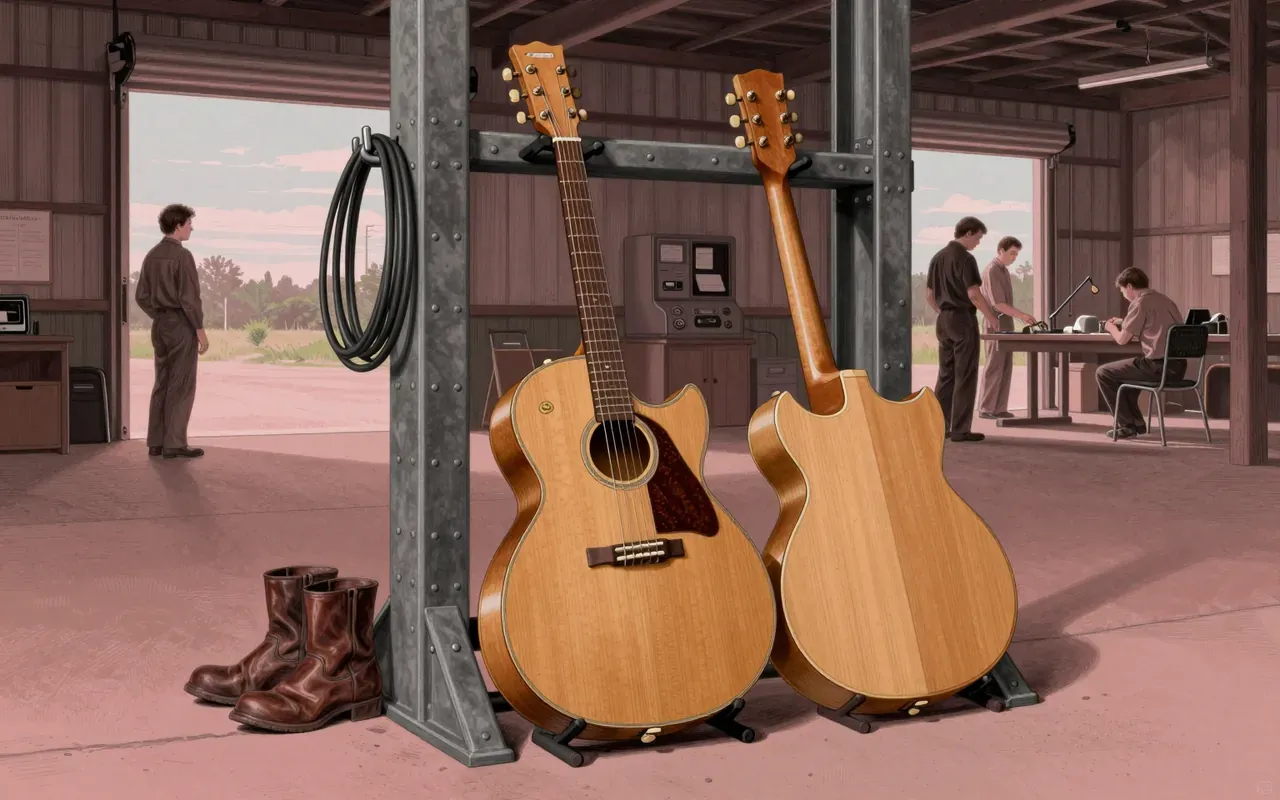
The Gibson RD Artist is a 1978 solid-body electric guitar with active Moog electronics, all-maple construction, a 25.5-inch scale, two humbuckers, and no vibrato. Its controls enable compressor (bridge), expander (neck), bright mode, or neutral, plus bass/treble boost/cut. Stock humbuckers are weak for rock. It was built for precise, processed tone — not vintage warmth or expressive pitch play.

Chapters & takeaways4
  1. 0:58
    1978 launch

    It launched in 1978 as Gibson’s answer to active electronics and scale-length experimentation.

  2. 3:36
    Maple body, Fender scale

    All-maple construction and a 25.5-inch scale give it Fender-like snap, not Gibson warmth.

  3. 5:22
    Active Moog signal path

    Moog electronics let you compress the bridge, expand the neck, or flip to bright — no passive option.

  4. 6:55
    Weak humbuckers

    Stock humbuckers lack punch for rock — users replaced them before the first gig.

Worth your time?

Yes. Use the whole thing.

3.5/ 5
What works
  • whatItDoesBetter
What does not
  • whatItDoesBadly
Use it if
  • whoShouldUseIt
Skip it if
  • whoShouldUseIt
The written brief1 min read

What it is and what it was built for

The Gibson RD Artist is a 1978 solid-body electric guitar built for players who wanted Fender-scale precision and Moog-style active signal manipulation in one instrument.

How it works, in terms a player would use

The player selects neck, bridge, or both humbuckers with a three-way switch. A separate selector toggles active Moog electronics: compressor on the bridge pickup, expander on the neck, bright mode, or neutral. Bass and treble boost/cut knobs adjust tone. No vibrato arm is fitted.

What it does better than anything else

It delivers immediate, surgical bass/treble control and dynamic contouring (compressor, expander, bright) not found on passive guitars of its era.

What it does badly

The stock humbuckers are underpowered for rock. There is no vibrato system. The active electronics offer no bypass switch — tone is always processed.

What people made with it

No verified recordings, artists, genres, or releases are cited in the source material.

Who should use it, and who should not

Players who prioritise tonal flexibility over raw output and dislike vibrato should use it. Players who rely on high-output humbuckers or expressive pitch modulation should not.

Is it worth your time

It is worth your time only if you need a solid-body guitar with aggressive active tonal shaping and are willing to work around weak stock humbuckers and no vibrato.
Same bench · Guitars & amps4 of 148
Up next in Audio

Boss RE-20 Space Echo

Boss · 11:48

It gives you the RE-201’s soul in a pedalboard-friendly box — but swaps tape’s grit for digital precision, and its limits for longer delays and more modes.

11:48