What it is and what it was built for
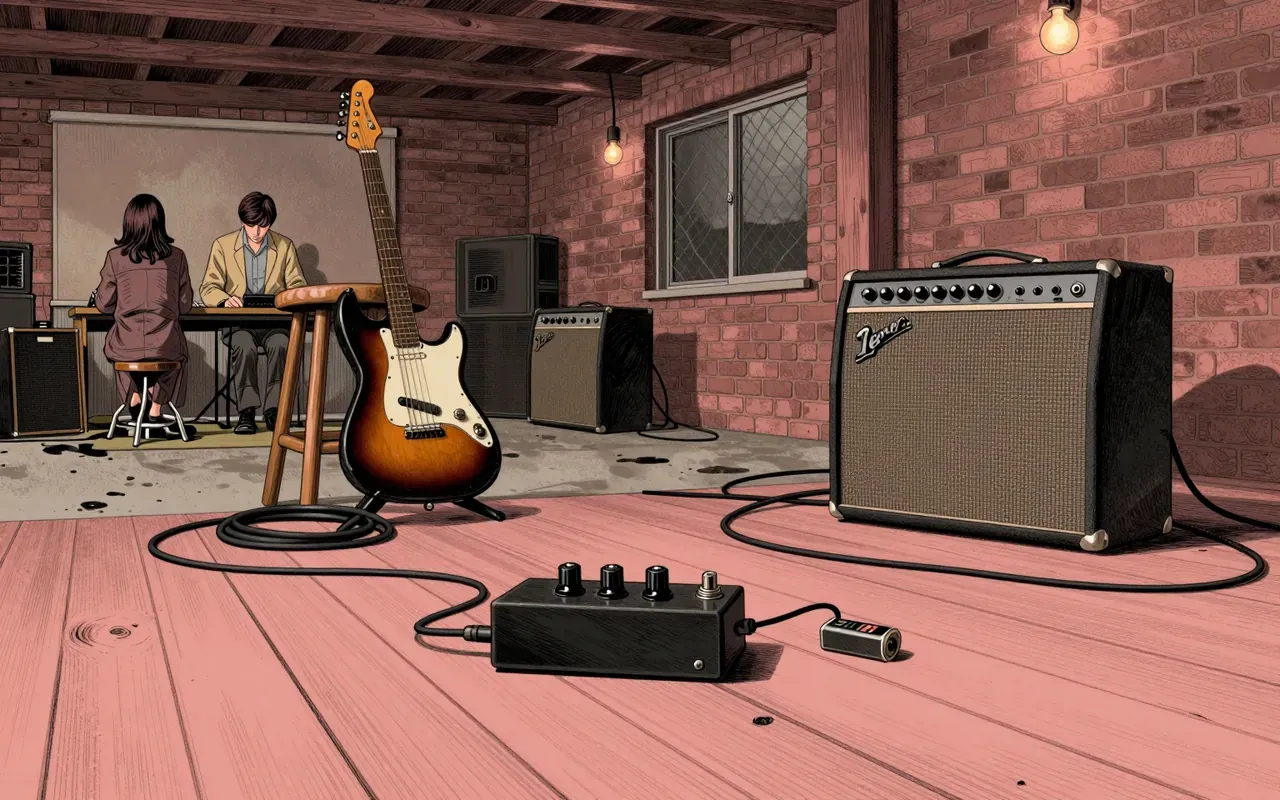
It is a five-knob stompbox fuzz pedal released in 1995. It was built to exploit the instability of surplus germanium transistors — not to emulate vintage tones, but to turn circuit misbehaviour into playable expression.
How it works, in terms a player would use
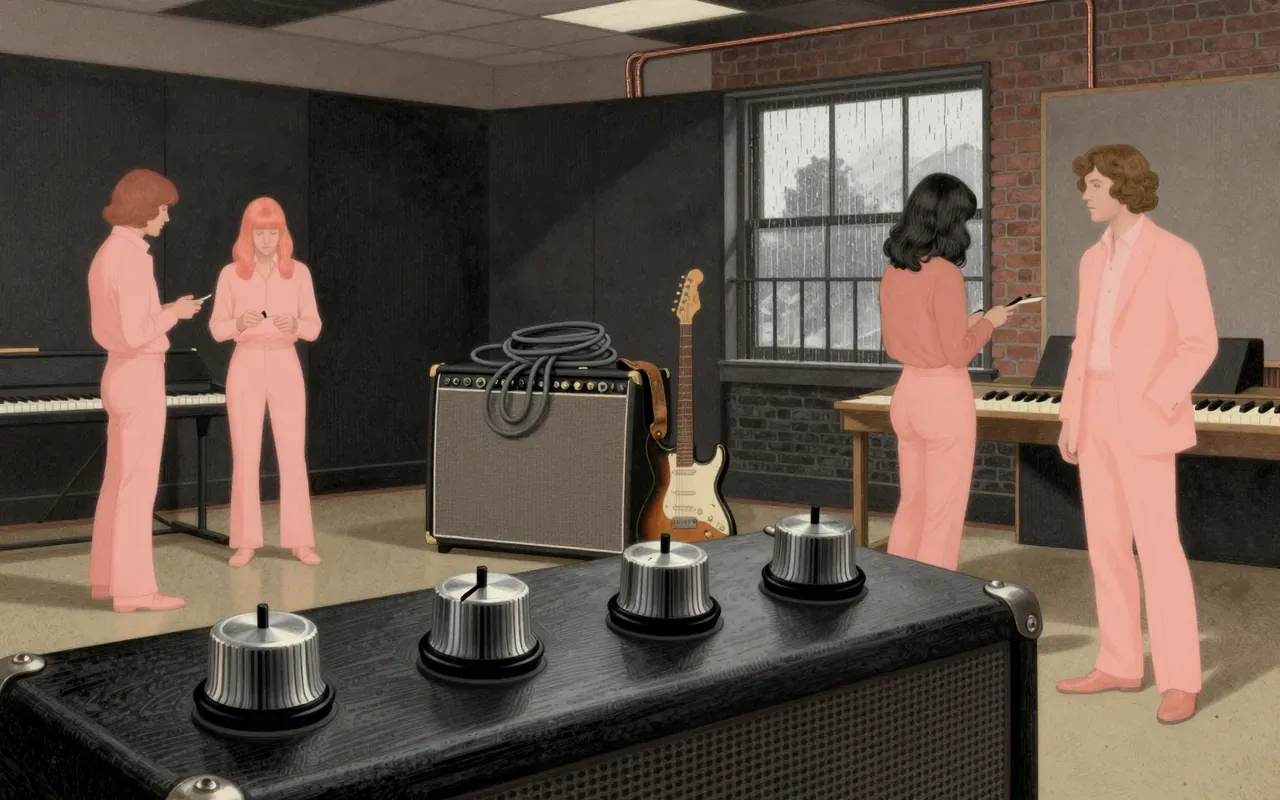
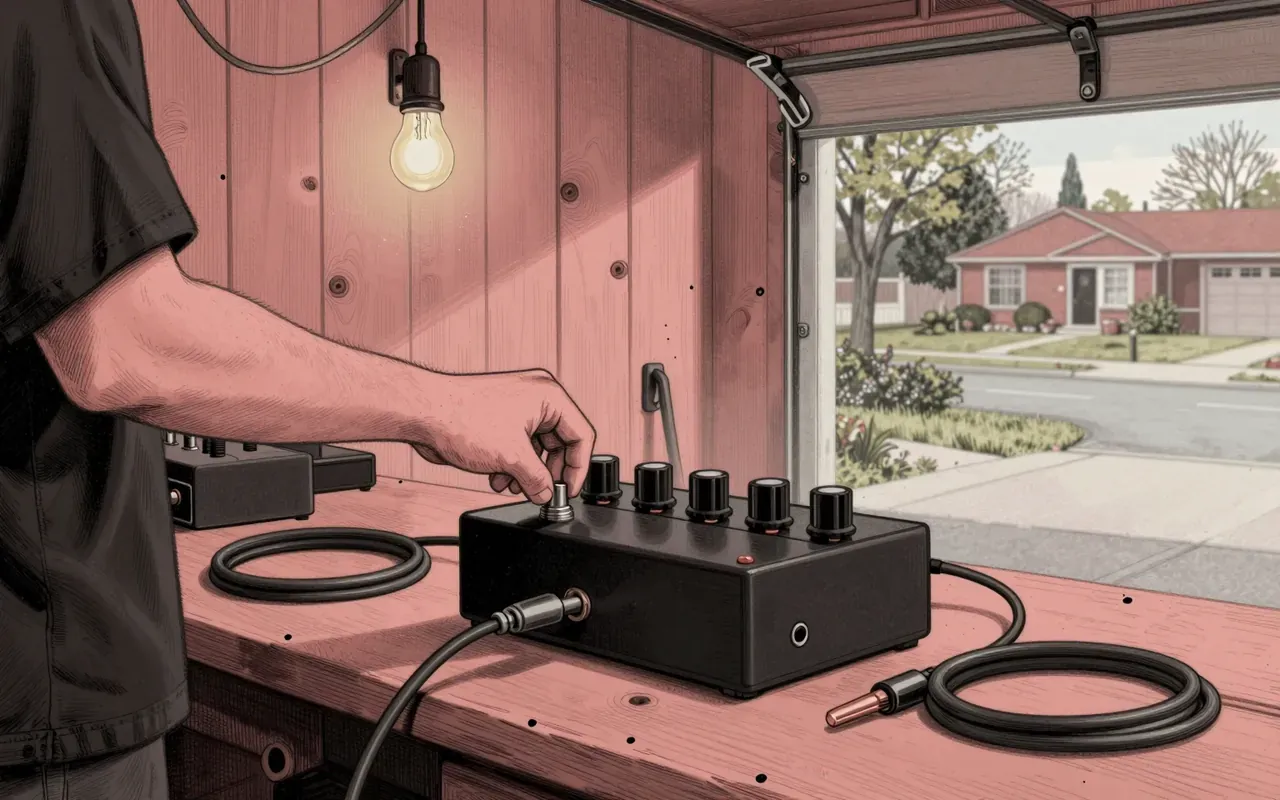
It uses five interactive knobs to manipulate the bias of unstable germanium transistors in a modified Fuzz Face circuit. One knob toggles ground polarity — positive ground destabilises the circuit. The other four adjust resistance values that control gain staging, feedback, and transistor saturation. Players twist them while playing to provoke squeals, oscillations, or sudden collapses into clean-ish fuzz.
What it does better than anything else
It produces extreme, expressive fuzz textures no other pedal matches: gated stutters, violin-like harmonics, microphonic feedback loops, and abrupt transitions from silence to chaos — all controllable in real time with fingers on knobs.
What it does badly
It does not deliver consistent tone across settings. It cannot stay quiet: it hisses, squeals, or self-oscillates when pushed. It offers no true bypass — the signal path is always active. It does not work reliably with buffered pedals ahead of it.
What people made with it
Players used it to generate atonal noise bursts, synth-like leads, and spluttering rhythm textures — often live, without presets, relying on muscle memory and ear rather than recall.
Who should use it, and who should not
Guitarists who treat pedals as instruments, not tone tools. Not for players who rely on set-and-forget settings, need silent footswitching, or use high-gain amp stacks where its instability overwhelms the front end.
Is it worth your time
Yes — if you want unpredictable, hands-on fuzz that reacts to your touch and changes with temperature and battery voltage. No — if you need repeatable tones, silent switching, or stable operation under stage conditions.