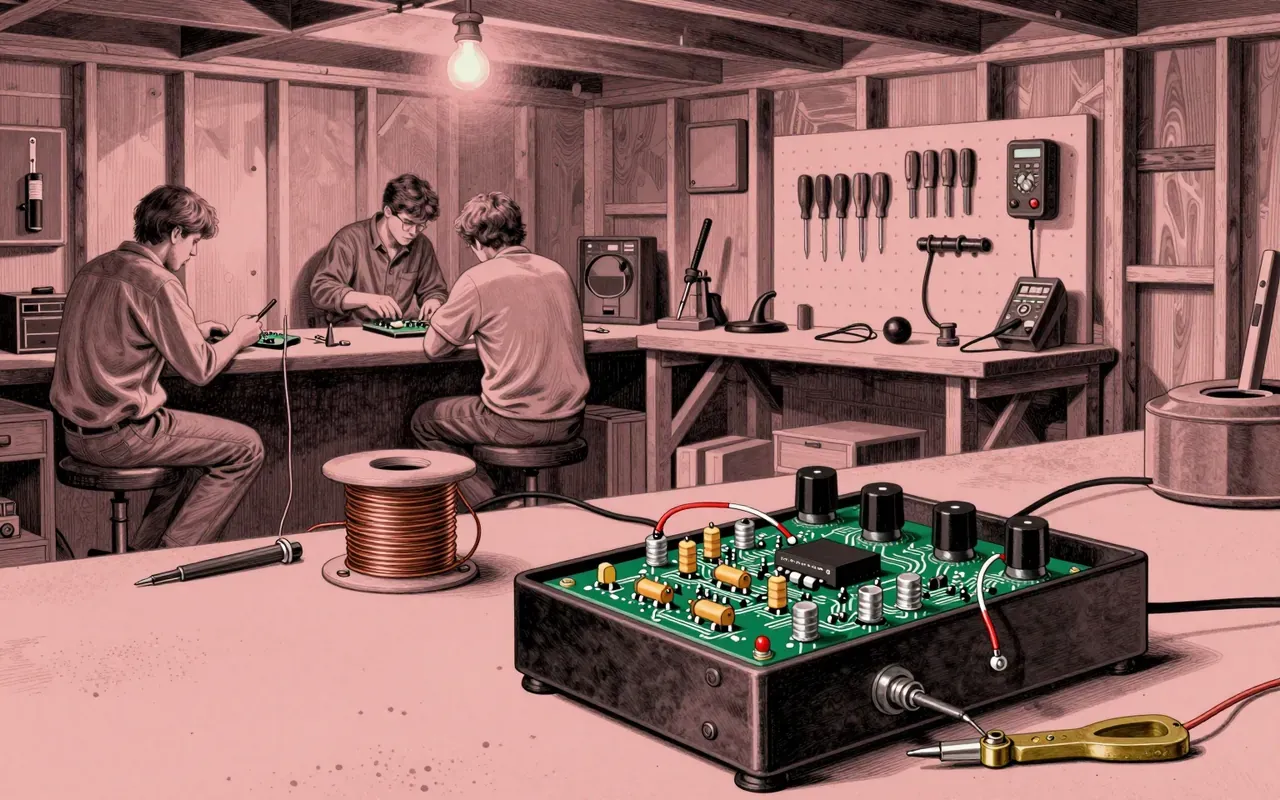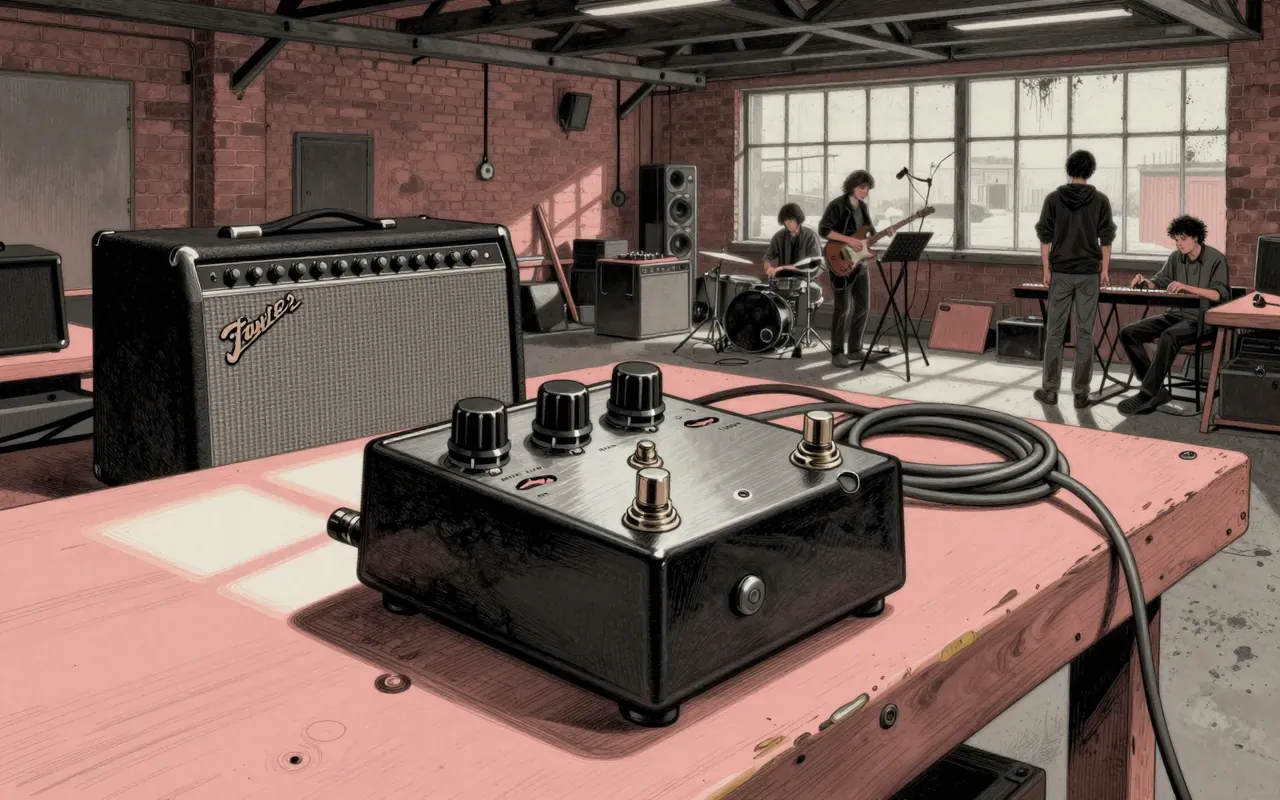
What it is and what it was built for
It is an analog stereo flanger and filter matrix stomp box built for electric guitar.
How it works, in terms a player would use
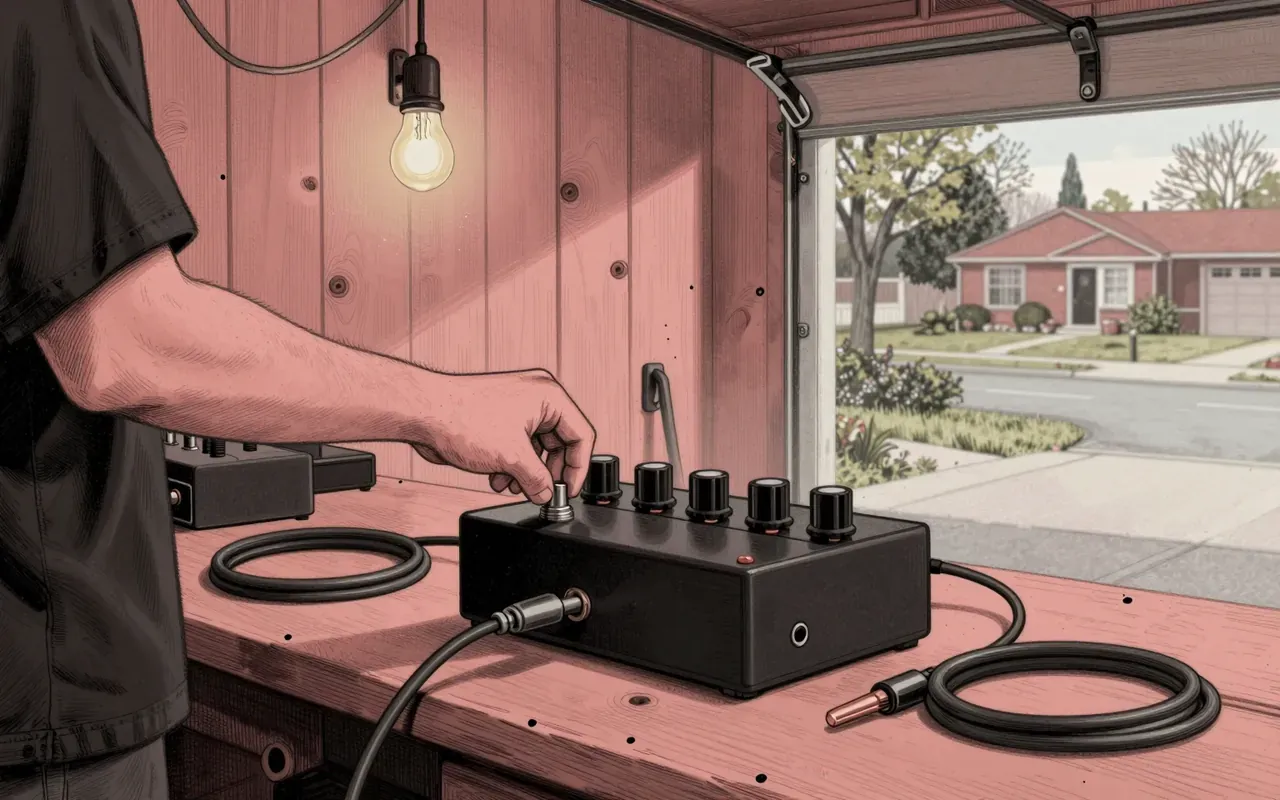
It runs on a dedicated 24 V Electro-Harmonix power supply. Players plug in via 1/4 inch jacks: input, effect out, and clean output. They adjust three knobs — color, range, and rate — and toggle a switch to engage the filter matrix function.
What it does better than anything else
It delivers lush, swirling stereo flanging with a characterful analog warmth that shifts dramatically with the color knob — a trait few flangers replicate with such immediacy and physicality.
What it does badly
It offers no preset storage, no expression pedal input, no tap tempo, and no mono/stereo routing flexibility beyond its fixed clean output and effect out paths.
What people made with it
Players used it to shape ambient textures, widen lead lines, and add movement to clean arpeggios — especially where stereo separation and organic modulation mattered more than precision or recall.
Who should use it, and who should not
Guitarists who value tactile, real-time modulation and stereo spatiality should use it. Those needing MIDI sync, presets, or compact mono setups should not.
Is it worth your time
Yes, if you need stereo flanging with a distinct analog texture and want hands-on control over modulation depth and tonal colour without digital complexity.