audiobriefs
8:51in productionCh. 1 · All Analog, No Exceptions/ 8:51 · ceiling 15 min
Effects & pedals · Guitars & amps

Electro-Harmonix Deluxe Memory Man

An analog delay that refuses to speak to your computer—and sounds better for it.

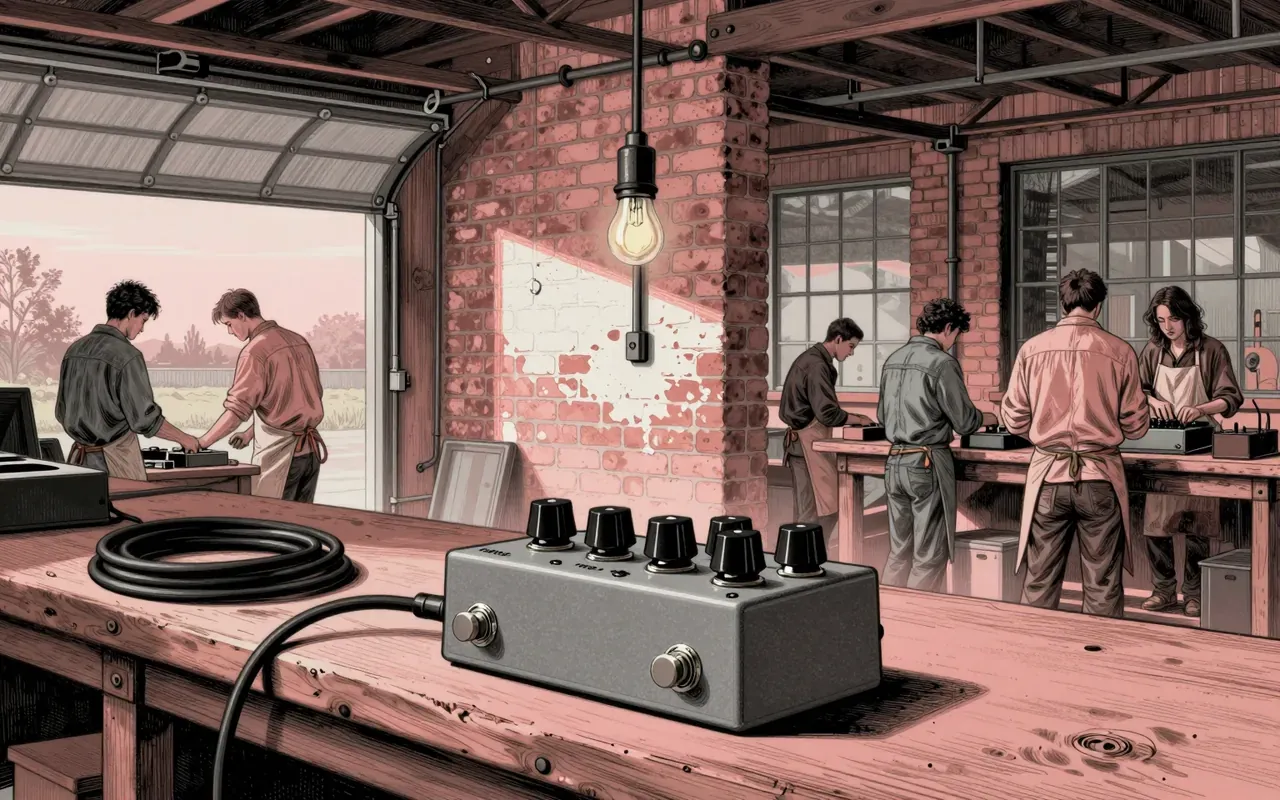
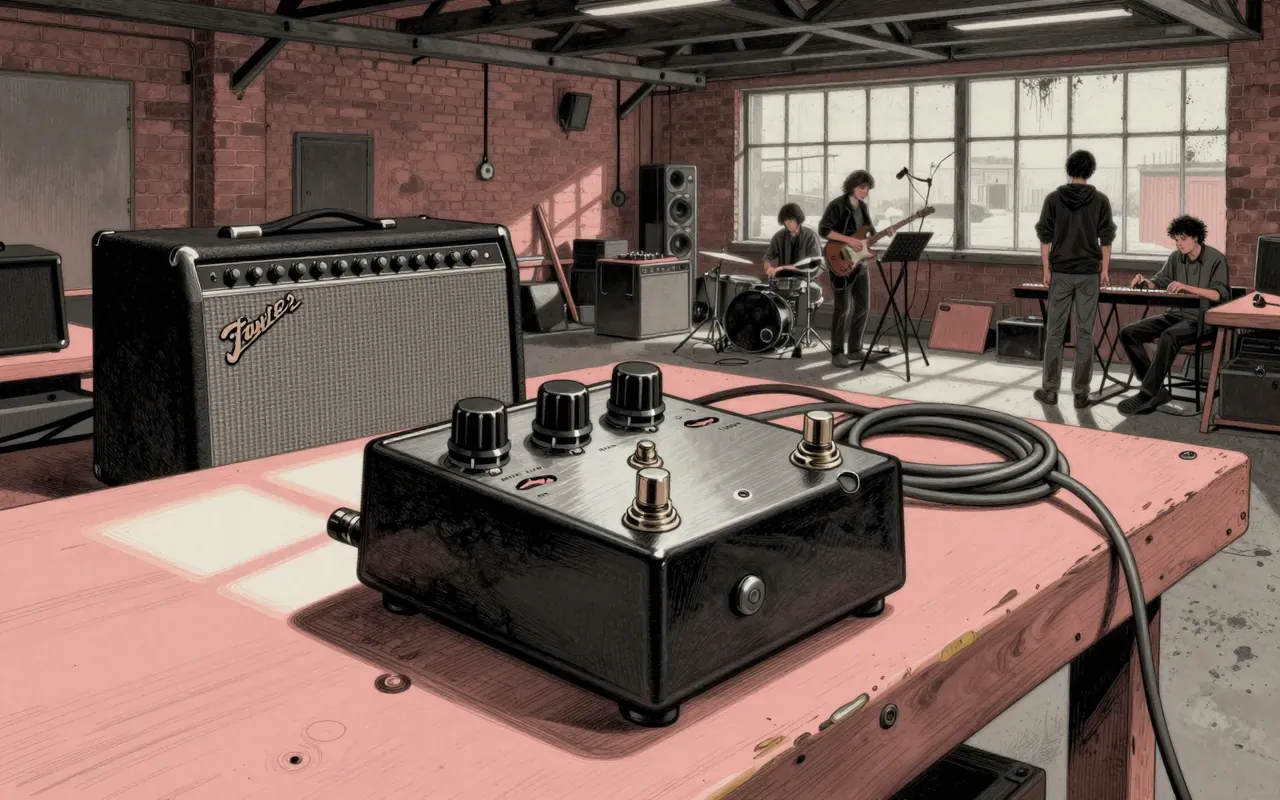
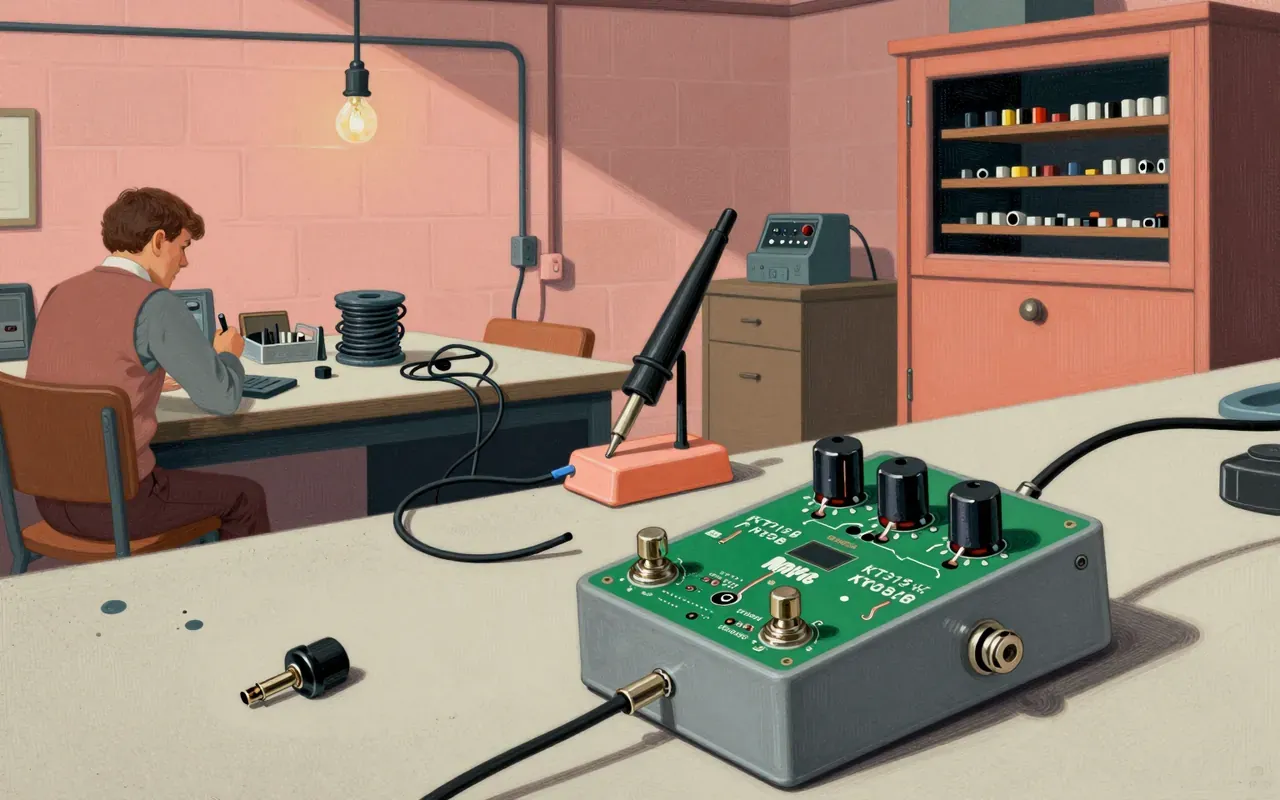
The Electro-Harmonix Deluxe Memory Man Mk4 is an all-analog stomp-box delay/echo pedal with built-in chorus and vibrato. It has no MIDI, no computer editing, no rack-mount capability, and requires a 24-volt power supply. It features a 1/4-inch input, a dry output, and a dedicated echo output for routing to a separate amplifier.

Chapters & takeaways4
  1. 1:01
    All Analog, No Exceptions

    It is fully analog: delay, modulation, and signal path—no digital conversion anywhere.

  2. 2:26
    Stereo Routing, Not Stereo Effects

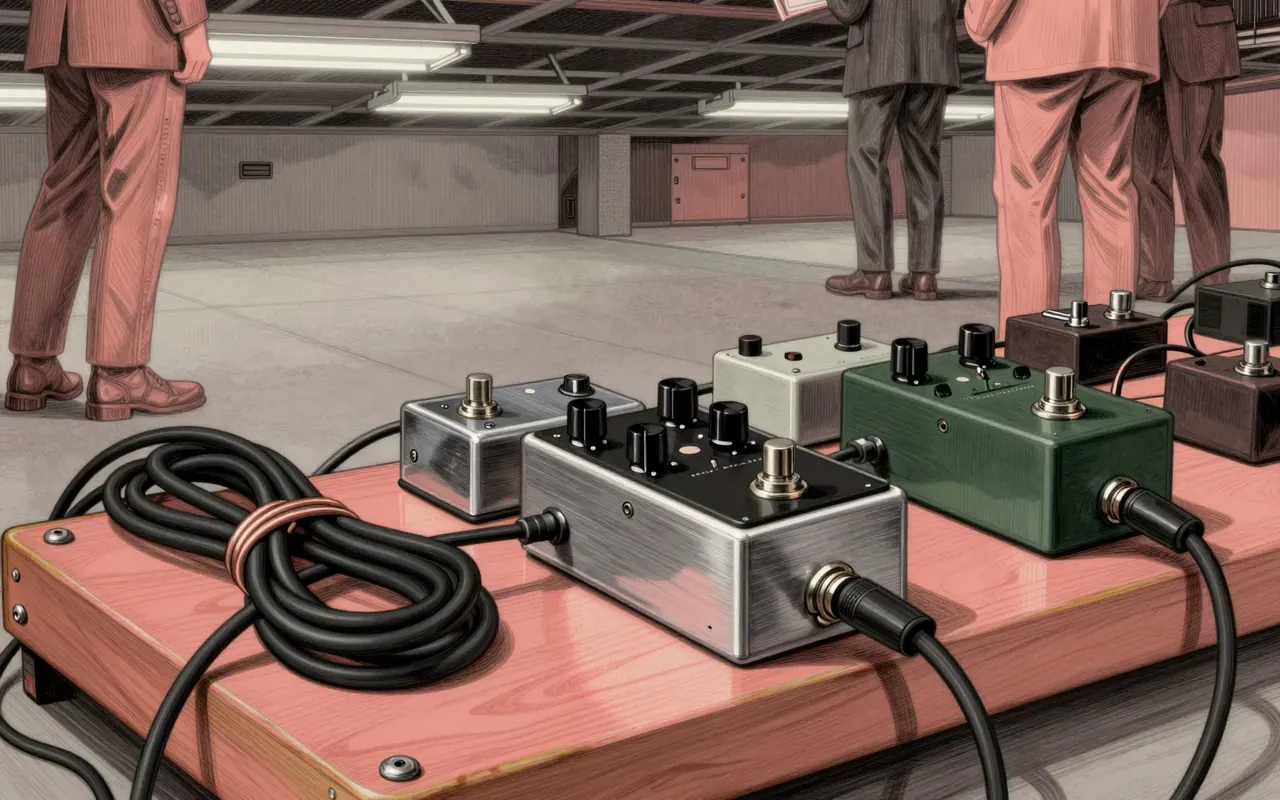
    Two outputs—one dry, one echo—let you route repeats to a second amplifier.

  3. 4:13
    No Digital Doors

    No MIDI, no USB, no software editing—just knobs, jacks, and 24 volts.

  4. 5:22
    Power Is Non-Negotiable

    It demands 24 volts—not 9V—and will not run on standard pedalboard supplies without an adapter.

Worth your time?

Yes. Use the whole thing.

4/ 5
What works
  • analog delay
  • modulation
  • stereo routing
What does not
  • digital
  • rackable
  • MIDI-capable
  • computer-editable
Use it if
  • guitarists
  • players who value analog warmth
  • those who route wet/dry signals across amps
Skip it if
  • programmers
  • DAW-based producers
  • MIDI sequencers
The written brief1 min read

What it is and what it was built for

The Electro-Harmonix Deluxe Memory Man Mk4 is an all-analog stomp-box delay/echo pedal built for guitarists who want warm, organic repeats with integrated chorus or vibrato.

How it works, in terms a player would use

It is a stomp box with a 1/4-inch input, one dry output, and a dedicated echo output for routing delay to a separate amplifier. It runs on 24 volts. Players adjust delay time, feedback, and mix using physical knobs. The modulation section adds chorus or vibrato to the delayed signal. There are no menus, screens, or digital controls.

What it does better than anything else

It delivers all-analog delay with modulation that sits naturally under guitar lines—no quantisation, no latency, no conversion artifacts. The dual outputs let players split dry and wet signals cleanly across amplifiers.

What it does badly

It cannot be edited via Mac or PC. It has no MIDI connections. It cannot be rack-mounted. It offers no digital connectivity of any kind.

What people made with it

Players used its dual outputs to send echoes to a second amp for spatial depth. Its analog circuitry shaped textures where digital precision would flatten dynamics.

Who should use it, and who should not

Guitarists who prioritise tactile control, analog tone, and simple stereo routing should use it. Anyone needing MIDI, preset storage, or computer editing should not.

Is it worth your time

Yes—if you want analog warmth, hands-on immediacy, and stereo routing without digital clutter. No—if you need MIDI sync, DAW integration, tap tempo, or recallable presets.
Same bench · Effects & pedals4 of 121
Up next in Audio

Roland DEP-5

Roland · 7:49

Its reverb arches. Its mids bite. Its interface lies.

7:49