What it is and what it was built for
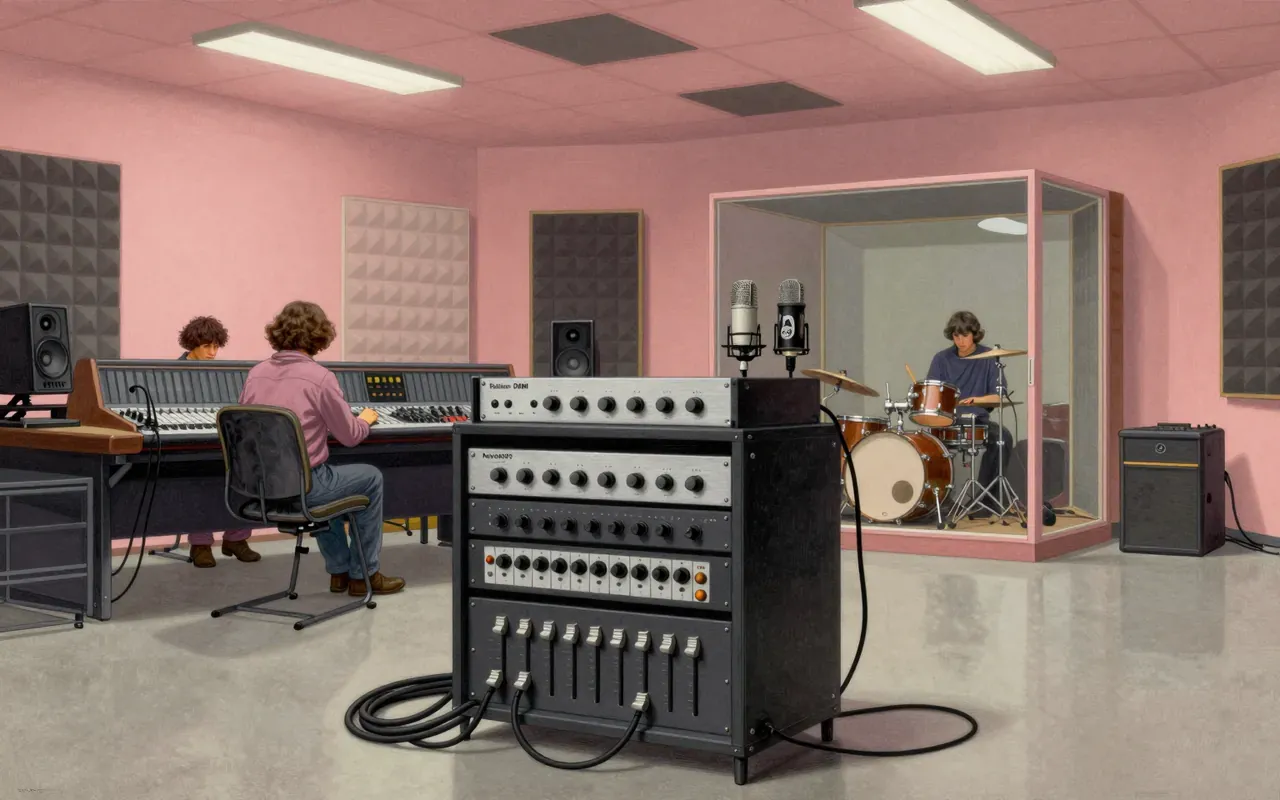
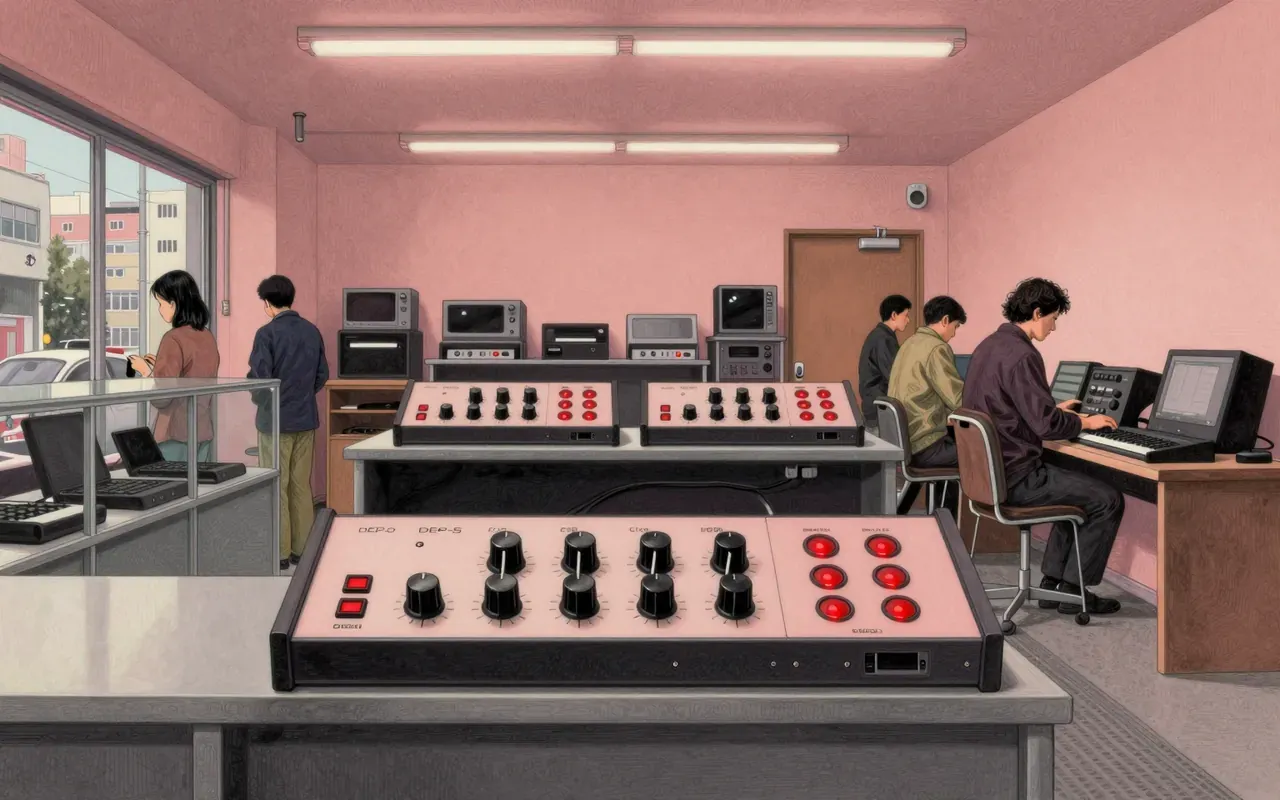
The Roland DEP-5 is a mid-1980s multi-effects processor built for studio and stage use, offering reverb, delay, chorus, flanger, double, and a three-band parametric EQ.
How it works, in terms a player would use
It has a one-button-one-function interface. Each effect type — reverb, delay, chorus, flanger, double — is selected directly. Parameters adjust via dedicated controls, though some midrange and reverb settings require layered or non-intuitive steps.
What it does better than anything else
It delivers a long, arching reverb (Program 5) and a midrange tonal character that users describe as hard to replicate on modern units.
What it does badly
It does not deliver clean, neutral delay or EQ. The three-band parametric EQ lacks fine control. Its sampling-based architecture limits dynamic range and introduces early-digital artefacts that colour everything — even when unwanted.
What people made with it
No verified uses are documented in the source material.
Who should use it, and who should not
Use it if you want its distinctive reverb tail or midrange saturation in a hardware signal path. Avoid it if you need surgical EQ, low-latency performance, or consistent, repeatable settings.
Is it worth your time
Yes, if you need its specific reverb decay or midrange colour in a live or tracking chain. No, if you need precise, recallable, or transparent processing.