What it is and what it was built for
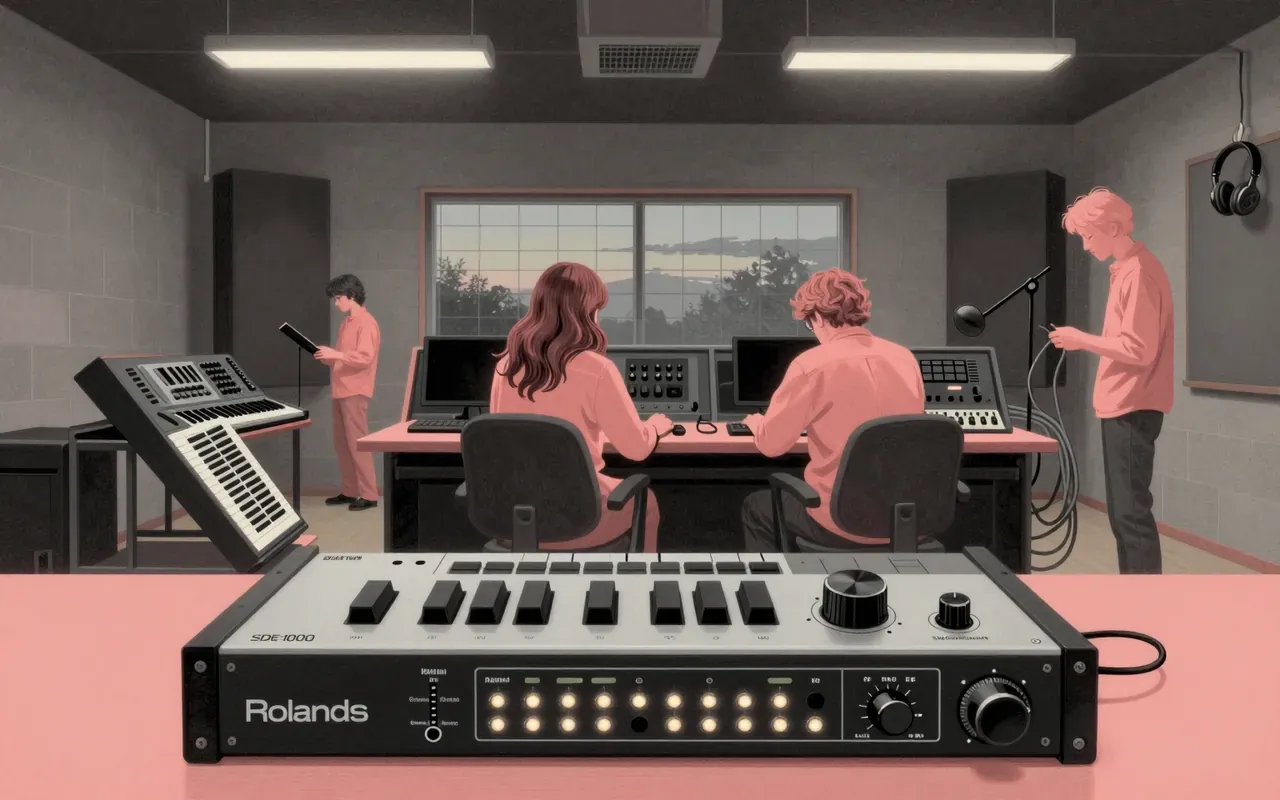
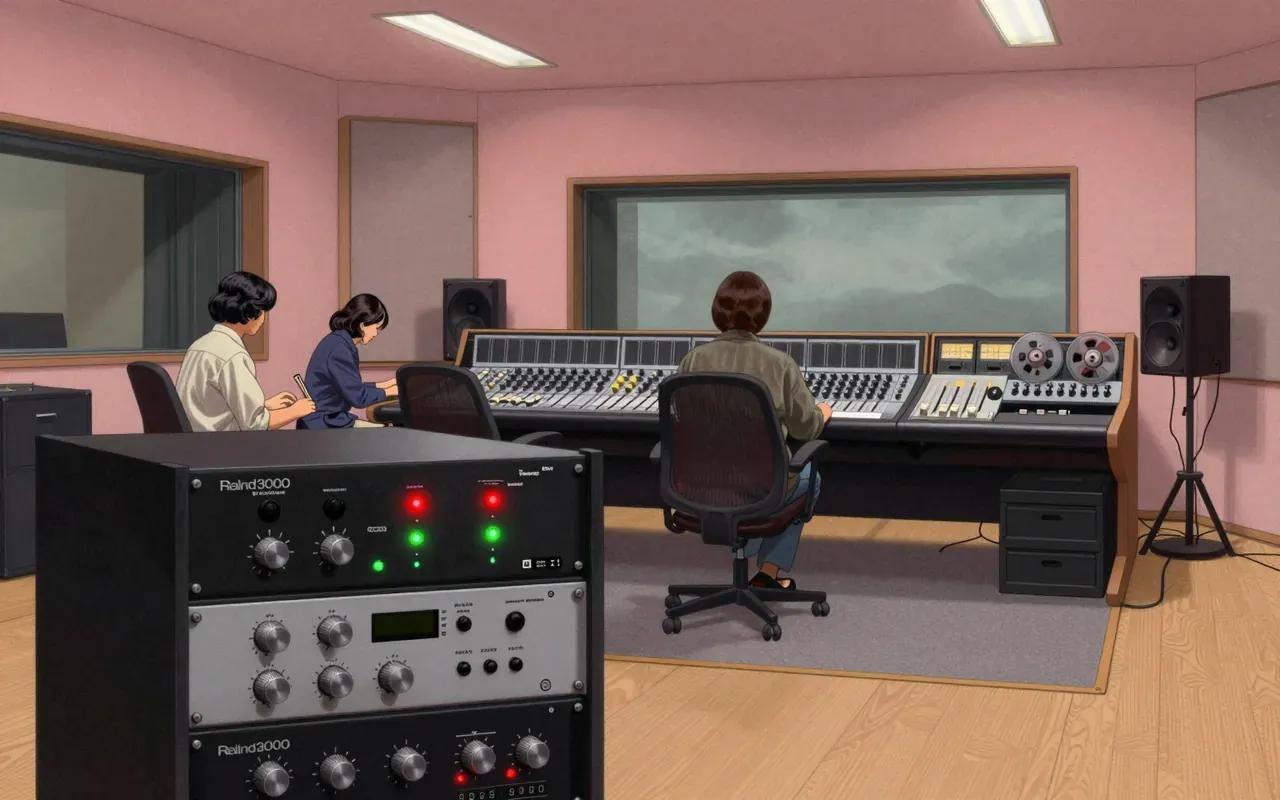
The Roland SDE-3000 is a professional mono rack-mount digital delay unit introduced in 1984. It was built for live and studio use where reliability, clean delay, and precise timing mattered.
How it works, in terms a player would use
It runs a single mono delay path with time, feedback, and mix controls. It accepts a TRS footswitch for tap tempo. Wet and dry signals exit separate rear-panel jacks. A time loop function repeats the current delay setting. Gain is adjustable from -20 dBm to +4 dBm.
What it does better than anything else
It delivers 4500 ms of delay with 10 Hz–17 kHz frequency response and 0.03% THD on delayed signal—better fidelity and longer delay than most 1984 digital delays.
What it does badly
It does not support stereo operation. It has no built-in modulation beyond its internal LFO, and no way to vary delay time dynamically during playback. It offers no preset storage or recall.
What people made with it
The sources do not state what people made with it.
Who should use it, and who should not
Studio engineers and touring musicians who need a dependable, high-spec mono delay in a 19-inch rack. Not for producers needing stereo effects, granular manipulation, or patch memory.
Is it worth your time
Yes—if you need a rugged, high-fidelity mono digital delay with long delay times and precise tap tempo in a rack. No—if you need stereo, modulation, or real-time parameter automation.