audiobriefs
8:54in productionCh. 1 · Analog from the start/ 8:54 · ceiling 15 min
Effects & pedals

Electro-Harmonix Memory Man

It doesn’t replicate tape—it replaces digital delay by sounding like tape never stopped moving.

The Electro-Harmonix Deluxe Memory Man is an analog delay pedal introduced in 2008, offering up to 550ms of delay, selectable chorus or vibrato modulation, true bypass switching, and mono audio I/O.

Chapters & takeaways4
  1. 1:04
    Analog from the start

    It began in the 1970s as a pure analog delay—and stayed analog through every update.

  2. 2:50
    Five knobs, one signal path

    Three core controls—blend, feedback, delay time—plus depth and input gain define what you hear and how hard it pushes back.

  3. 4:39
    Warmth over precision

    Its 550ms echo rivals tape delay—and its warmth is presented as making digital delay obsolete.

  4. 6:01
    Sound of early U2

    It shaped two landmark U2 tracks—'I Will Follow' and 'Sunday Bloody Sunday'—with smeared repeats and slow modulation.

Worth your time?

Yes. Use the whole thing.

4/ 5
What works
  • delivers up to 550ms of echo that rivals tape delay
  • its analog warmth is presented as making digital delay obsolete
  • built-in chorusing and vibrato are sweet and spatial
What does not
  • deliver clean, stable repeats at high feedback
  • offer stereo output
  • include tap tempo, expression control or preset storage
Use it if
  • guitarists who prioritise texture over fidelity
Skip it if
  • players needing tight rhythmic delay, stereo spread, or silent footswitching
The written brief1 min read

What it is and what it was built for

The Electro-Harmonix Memory Man is an analog delay pedal first released in the 1970s. The Deluxe Memory Man is its 2008 update, adding chorus and vibrato. It was built for guitarists who wanted rich, decaying echoes with movement—not sterile precision.

How it works, in terms a player would use

It uses blend, feedback and delay time controls to shape echo. It adds chorus or vibrato with a depth control. An analog input gain control sets signal level before the delay line. True bypass switching routes the dry signal cleanly around the circuit.

What it does better than anything else

It delivers up to 550ms of echo that rivals tape delay. Its analog warmth is presented as making digital delay obsolete. Its built-in chorusing and vibrato are sweet and spatial—not clinical or quantised.

What it does badly

It does not deliver clean, stable repeats at high feedback. The analog delay degrades with each repeat. It offers no stereo output. It has no tap tempo, expression control or preset storage.

What people made with it

The Edge of U2 used it to record ‘I Will Follow’ and ‘Sunday Bloody Sunday’. Those recordings rely on its smeared, breathing repeats and slow, warbling modulation.

Who should use it, and who should not

Guitarists who prioritise texture over fidelity should use it. Players needing tight rhythmic delay, stereo spread, or silent footswitching should not.

Is it worth your time

Yes—if you want warm, organic delay with modulation that behaves like tape, not code. No—if you need precise repeats, long delay times, or digital clarity.
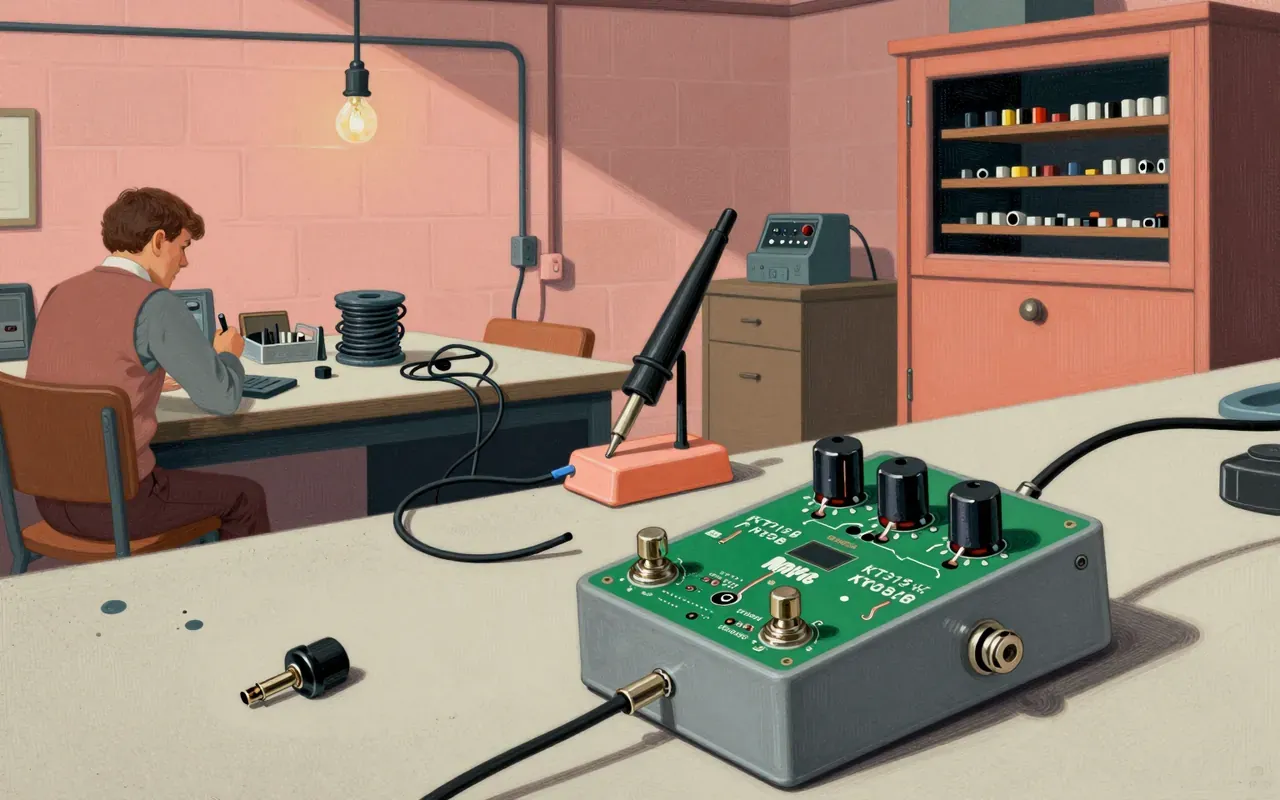
Same bench · Effects & pedals4 of 13
Up next in Audio

Waldorf Microwave

Waldorf · 9:11

It doesn’t blend digital and analogue — it collides them, and the sparks are the sound.

9:11