What it is and what it was built for
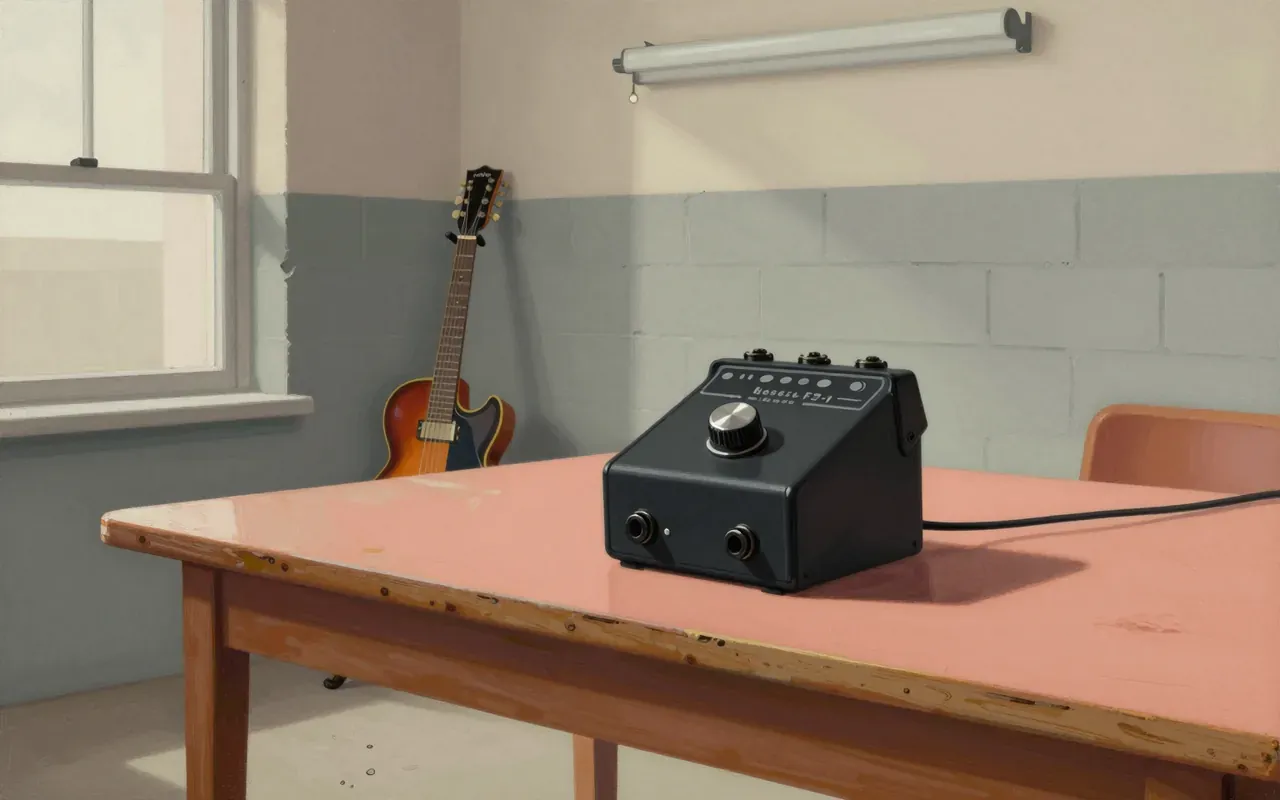
A fuzz-style distortion pedal for electric guitar, released by Ivor Arbiter in 1966. Built as a simplified, low-budget alternative to the Maestro Fuzz-Tone.
How it works, in terms a player would use
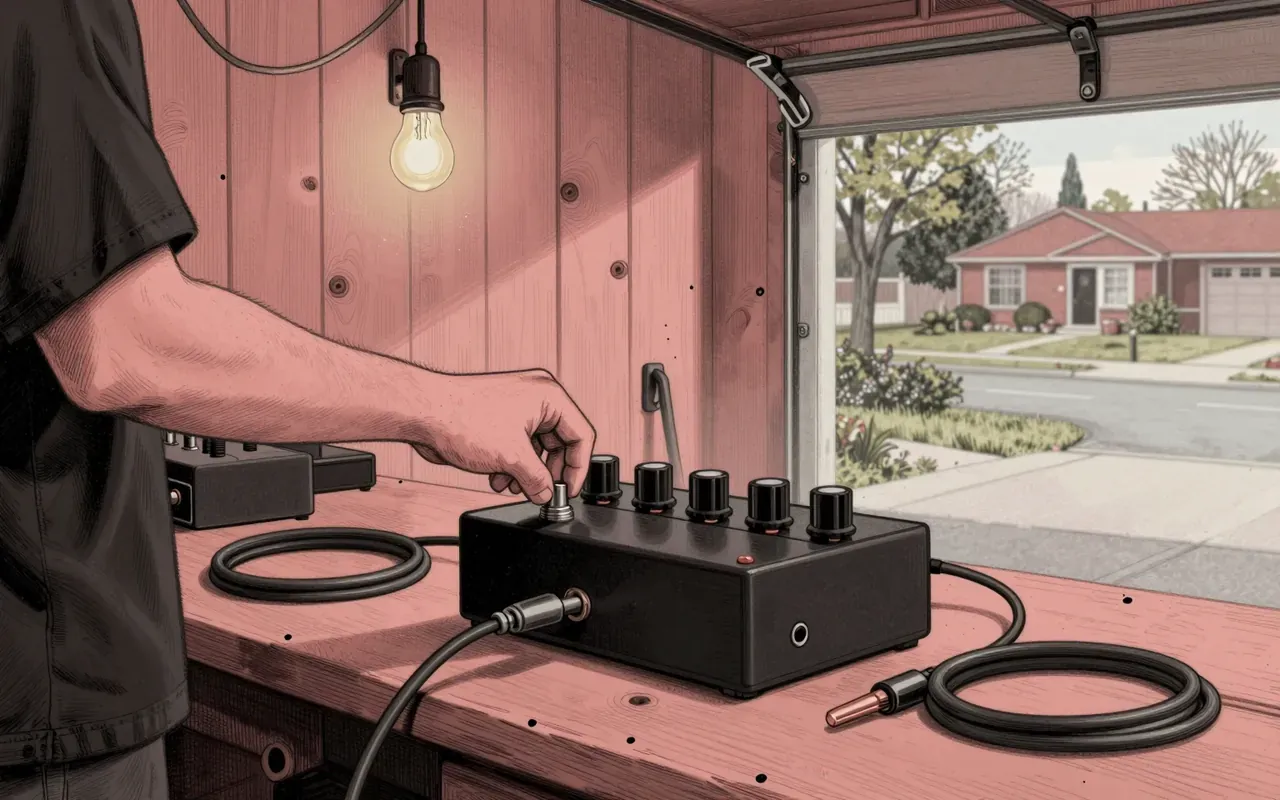
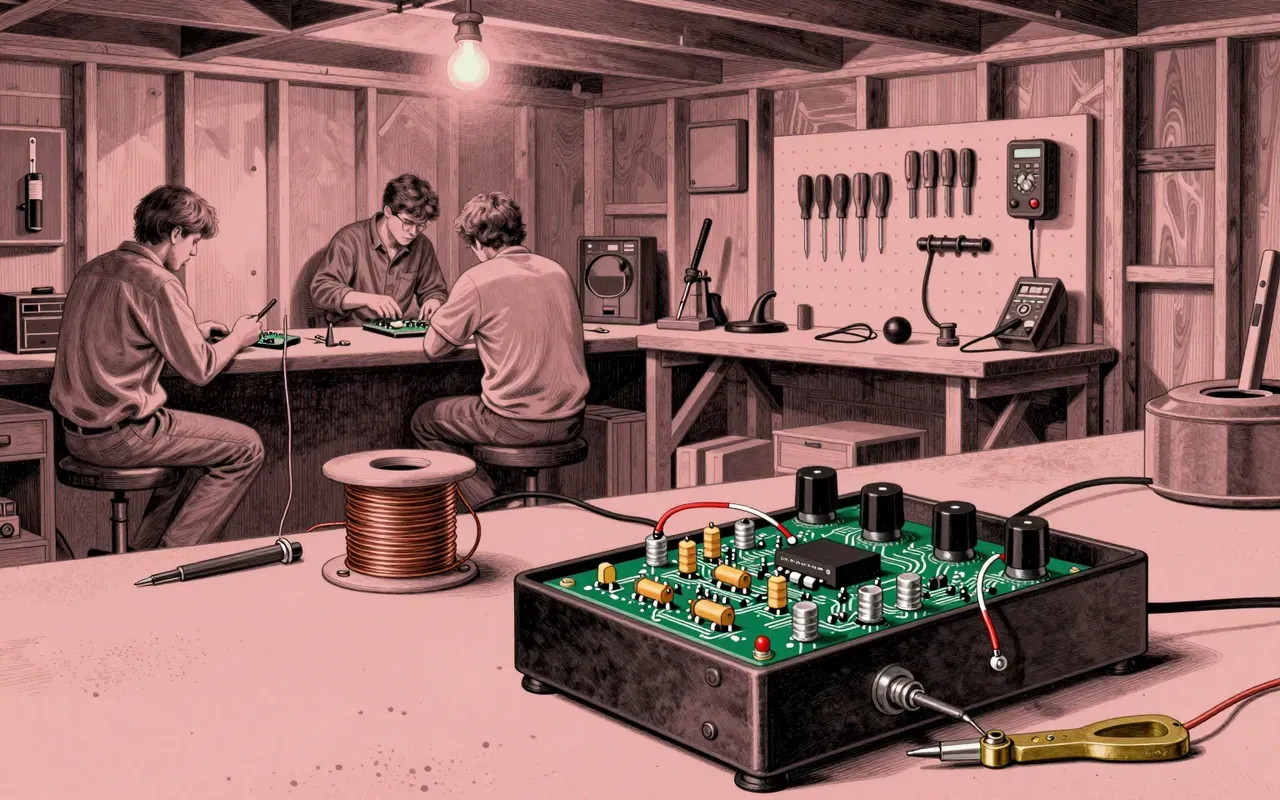
It has two controls: Volume and Fuzz. It uses just two transistors, three capacitors, two potentiometers, and a bypass switch. The earliest units use germanium transistors; later ones use silicon.
What it does better than anything else
It delivers a singing, compressed fuzz that swells and breathes with the player’s touch—especially with NKT275 germanium transistors, which give fuller tone, less noise, and less gain than alternatives.
What it does badly
Germanium units drift with temperature due to crude biasing. It offers no tone control, no gain staging, and no consistency across units or conditions.
What people made with it
Players used it to shape raw, vocal-like fuzz tones—distinct from the Maestro Fuzz-Tone’s sharper attack—by riding guitar volume and picking intensity.
Who should use it, and who should not
Players who value tactile responsiveness over stability, and who work within a narrow dynamic and thermal range. Not for live players needing reliability or studio users requiring repeatable settings.
Is it worth your time
Yes—if you want a simple, characterful fuzz that responds intimately to guitar volume and picking dynamics, and you accept its instability and narrow operating window.