What it is and what it was built for
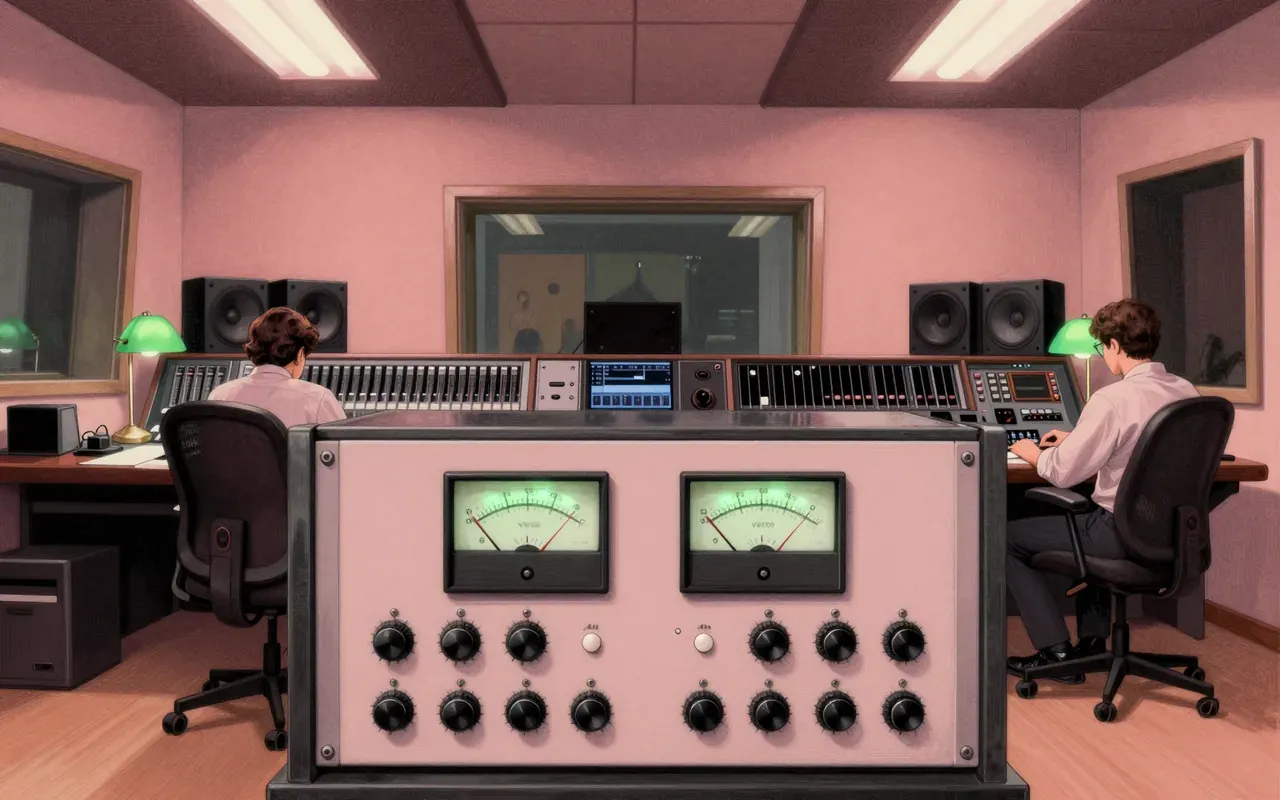
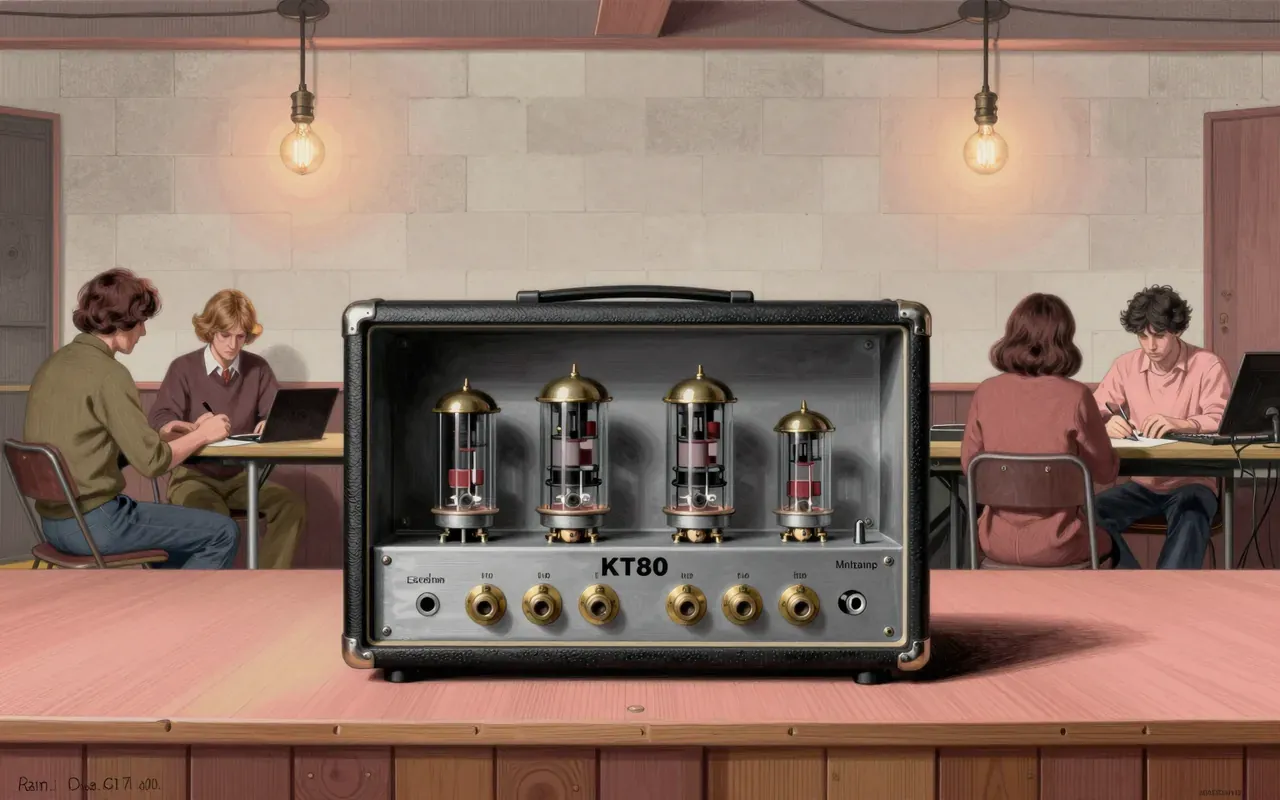
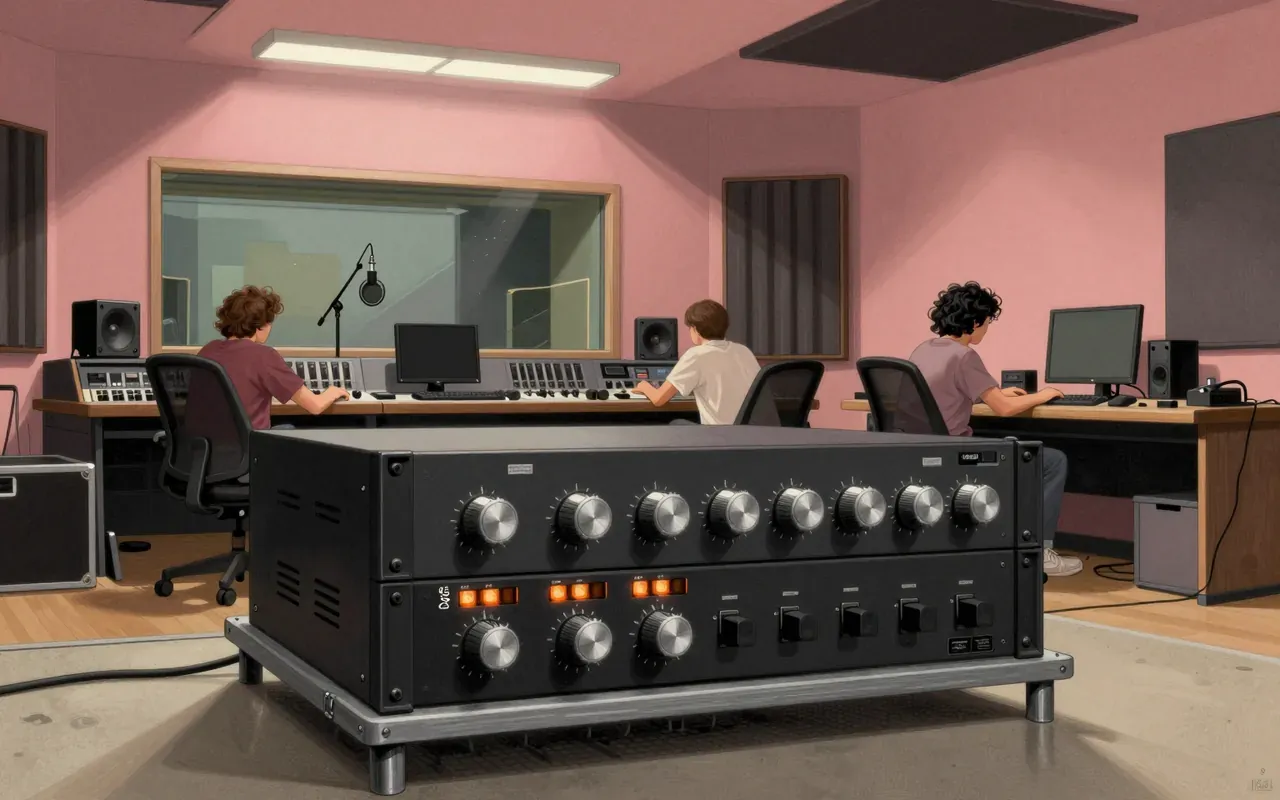
It is a stereo, rack-mount, all-tube, passive parametric equalizer built for mastering and mix bus duties. It was built to replace transformer-coupled active EQs with something warmer, heavier and less clinical.
How it works, in terms a player would use
It is a stereo, four-band parametric EQ with high-pass and low-pass filters. Each band is passive and tube-driven. You adjust frequency, bandwidth and gain with rotary controls. It has no active circuitry to boost or cut — the tubes restore level after passive attenuation.
What it does better than anything else
It imparts harmonic thickness and low-end authority more consistently than any other passive EQ. The all-tube signal path saturates evenly across both channels, glueing stereo material with warmth that remains stable under level changes.
What it does badly
It does not offer fine-grained control over Q or gain. Its passive design means it cannot boost without tube makeup gain, limiting transparency and headroom. It offers no bypass switch per band, no recall, no digital interface.
What people made with it
Engineers used it on master buses and full mixes to add cohesion, low-end heft and high-end silk. It appears on records where stereo width and tonal balance matter more than surgical correction.
Who should use it, and who should not
Use it if you work in a high-end analog studio and need stereo bus colour, not surgical correction. Do not use it if you need recall, low heat output, compact size, or precise parametric shaping.
Is it worth your time
It is worth your time only if you need a full-stereo, all-tube passive EQ that shapes tone with weight and saturation, not surgical precision. Its heat, size and cost demand justification beyond novelty.