What it is and what it was built for
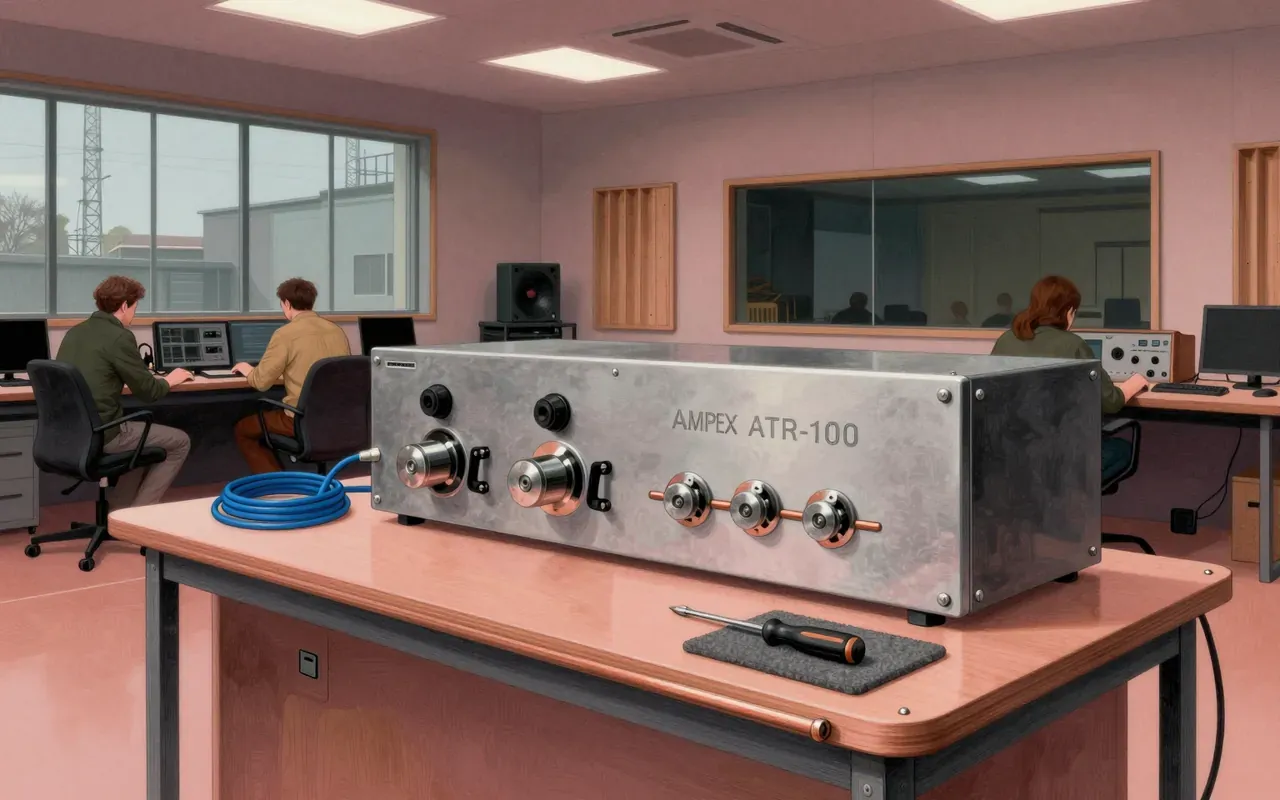
A vacuum tube-based, 2U rackmount channel strip with two identical preamp channels, each featuring integrated compressor, EQ, Lo-Z input, phantom power, pad, phase reverse, and high-pass filter.
How it works, in terms a player would use
It sits in a rack. You plug mics or line sources directly into its rear XLR inputs — one mic, one line — or route through a patch bay. Each of two identical channels gives you input gain, +48V phantom power, a -20dB pad, phase reverse, and a Lo-Z input designed for transformerless microphones. EQ and compression are built in, with flexible routing: EQ before or after compression. Backlit VU meters show level.
What it does better than anything else
It delivers consistent, warm tube character across two matched channels while retaining headroom and clarity with transformerless mics — a balance few dual-channel tube strips achieve without sacrificing flexibility or transparency.
What it does badly
It offers no digital connectivity, no recallable settings, no variable filter slopes, no mid-sweep EQ, no sidechain input, and no output attenuation. Its fixed architecture forces commitment to a single signal flow per channel.
What people made with it
The source material does not state what people made with it.
Who should use it, and who should not
Studio engineers with permanent racks and patch bays who want twin tube channels with built-in dynamics and tonal shaping. Not for laptop-based producers, live sound engineers, or anyone needing recall, portability, or surgical EQ.
Is it worth your time
Yes — if you need two high-headroom, tube-based channel strips in one rack unit and can integrate them into a fixed studio signal path. No — if you work on the move, need modular routing, or expect transparent clean gain without colour.