What it is and what it was built for
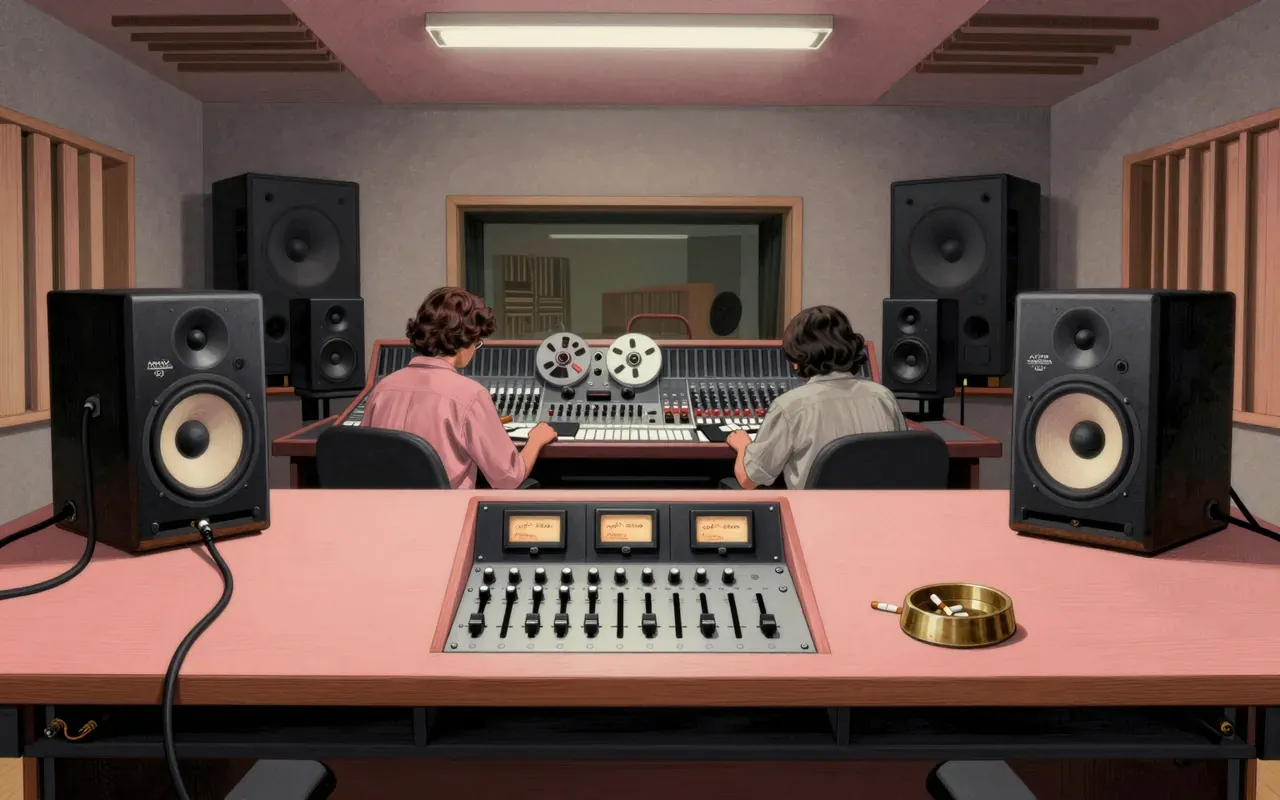
The Yamaha NS-10M is a two-way passive near-field studio monitor built for professional audio mixing, recording, and computer music creation.
How it works, in terms a player would use
It is a two-way passive near-field monitor with a 16 cm woofer and tweeter in a black wooden box. It connects to an external amplifier via terminals. Its fragile woofers demand careful handling and level control.
What it does better than anything else
It reveals flaws in mid and high frequencies with unmatched clarity. It delivers a crisp overall sound and more than satisfactory stereo imaging. It translates mixes across playback systems better than most near-fields.
What it does badly
It lacks deep low-frequency extension. It cannot project those frequencies. Its non-neutral response—especially the midrange hump—requires experience to interpret.
What people made with it
Engineers used it to verify mix translation across listening environments and to A/B compare against other speakers during mixing.
Who should use it, and who should not
Experienced mix engineers who understand its limitations and use it as a diagnostic tool alongside full-range monitors. Not beginners, live sound engineers, or anyone needing self-contained low-end response.
Is it worth your time
Yes—if you need a brutally honest mid/high reference for mixing, and already have low-end monitoring elsewhere. No—if you rely on it for full-range assessment or lack amplifier infrastructure.