It tracks high notes cleanly — then collapses below the 12th fret. Do not buy it for bass doubling.
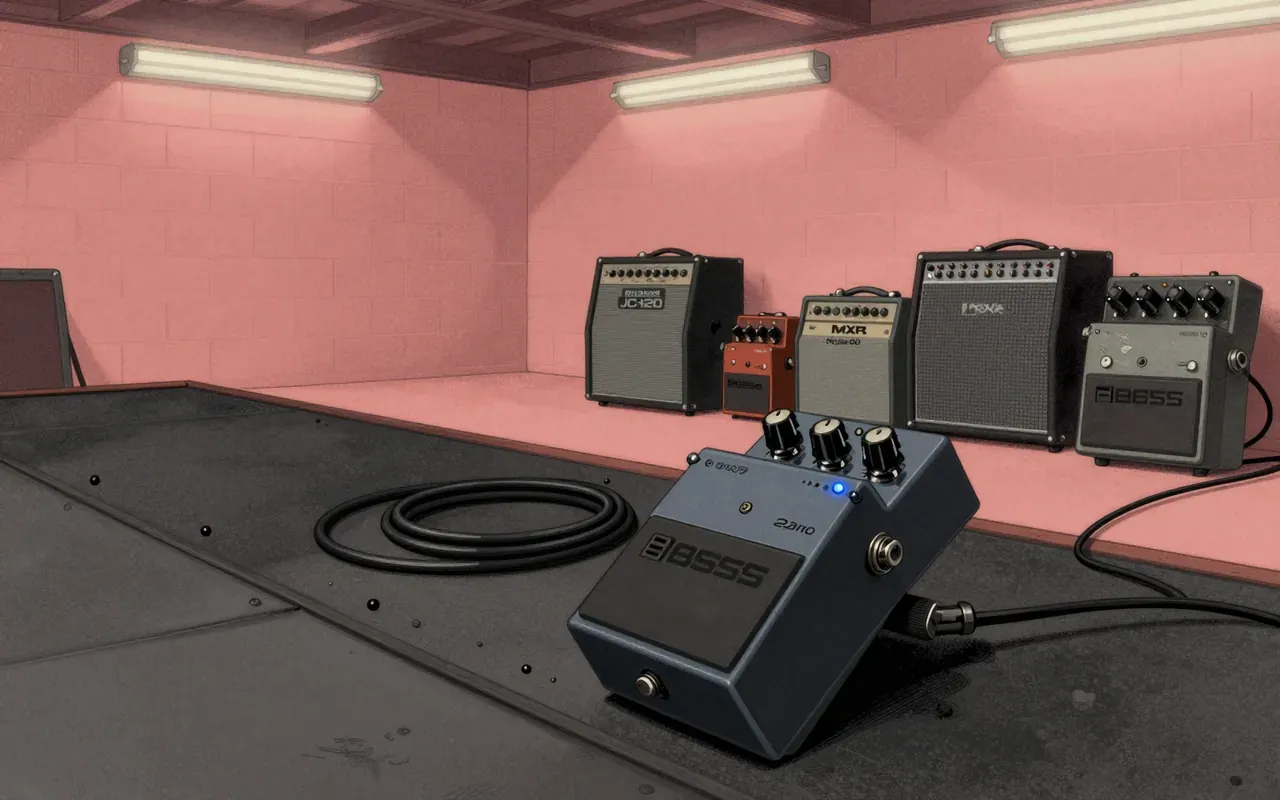
The Boss OC-2 Octave is a stompbox that adds one or two sub-octaves to a guitar signal. Its three knobs control each layer. It runs on 9V DC or battery. Higher notes track smoothly — without digital harshness. But notes below the 12th fret on the low E string mis-track badly: wobbly, out-of-tune, uncorrectable. It is unfit for conventional use. Only noise or experimental players gain anything from its failure.
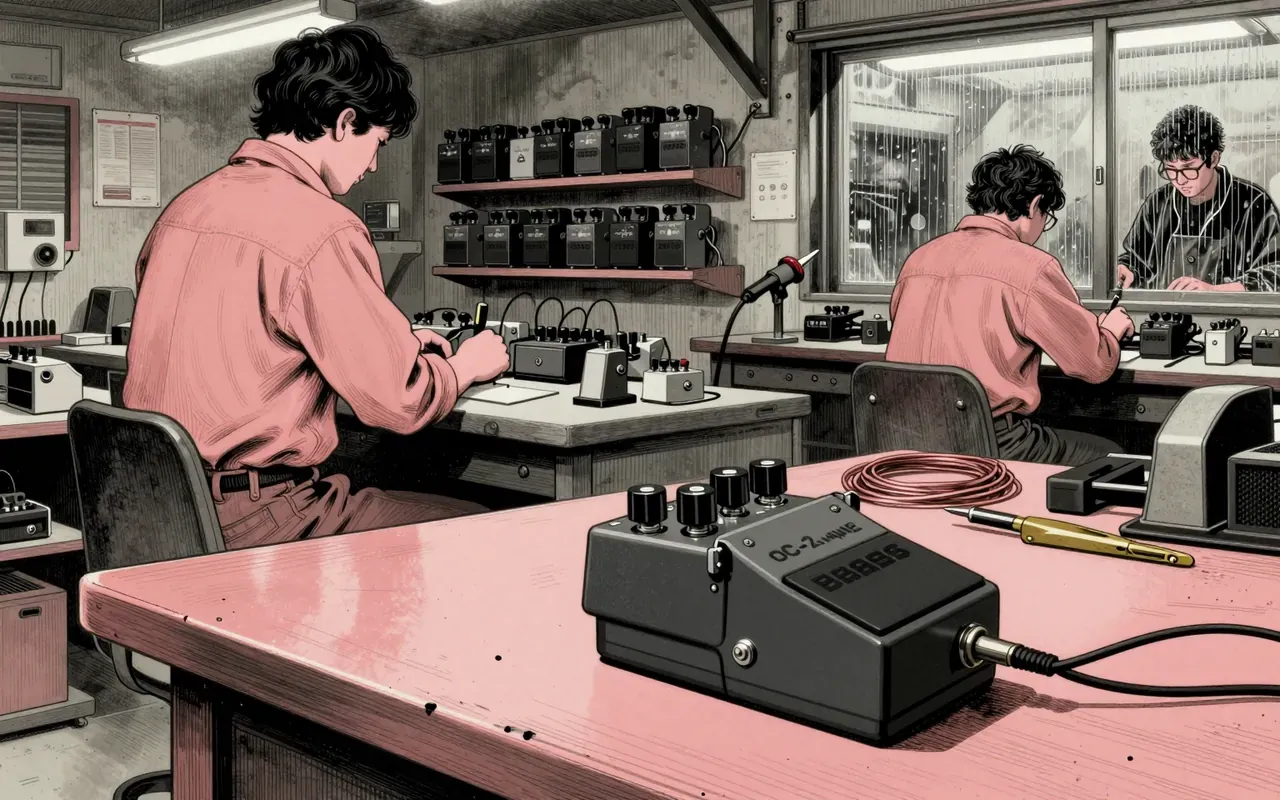
Three knobs. One octave down. Two octaves down. Dry blend. Power via rear 9V jack or battery.
2:49
Where it breaks
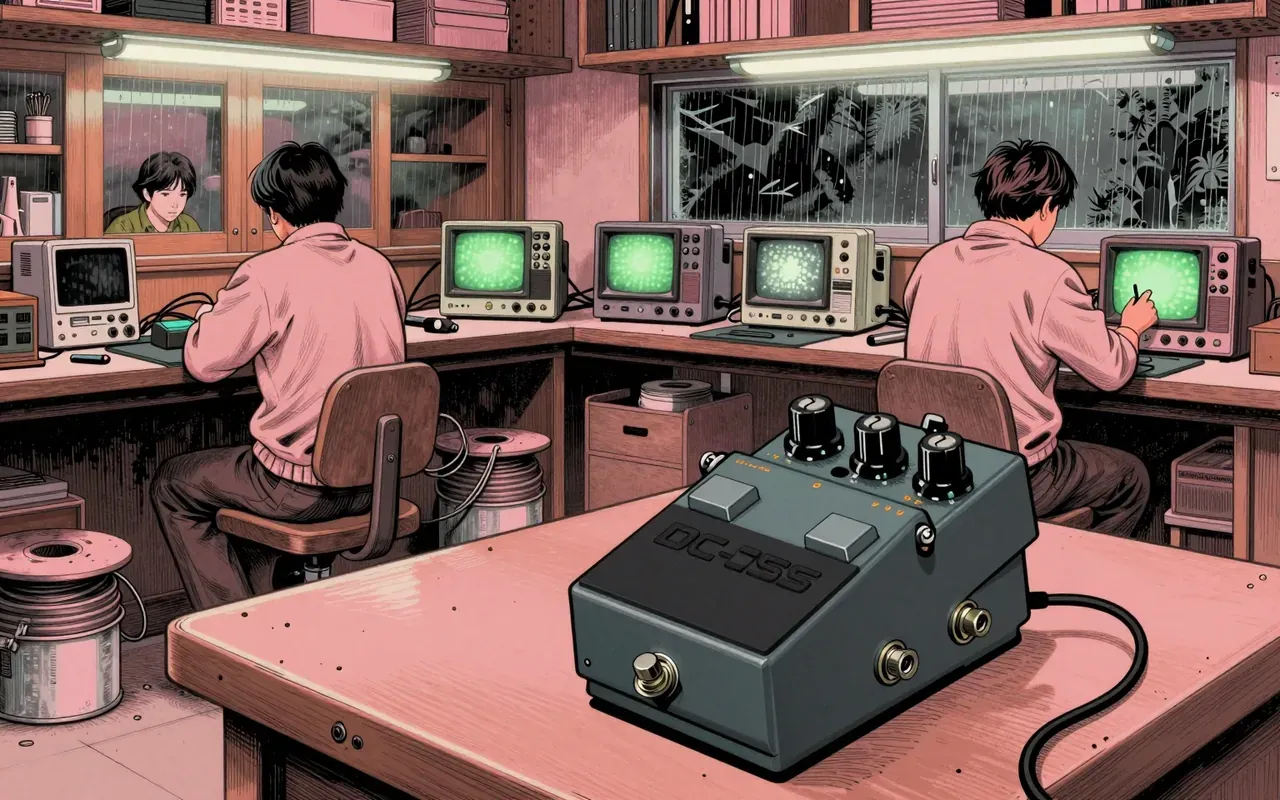
Fails completely on low-E notes below the 12th fret — wobbly, out-of-tune, unusable.
4:03
Where it works
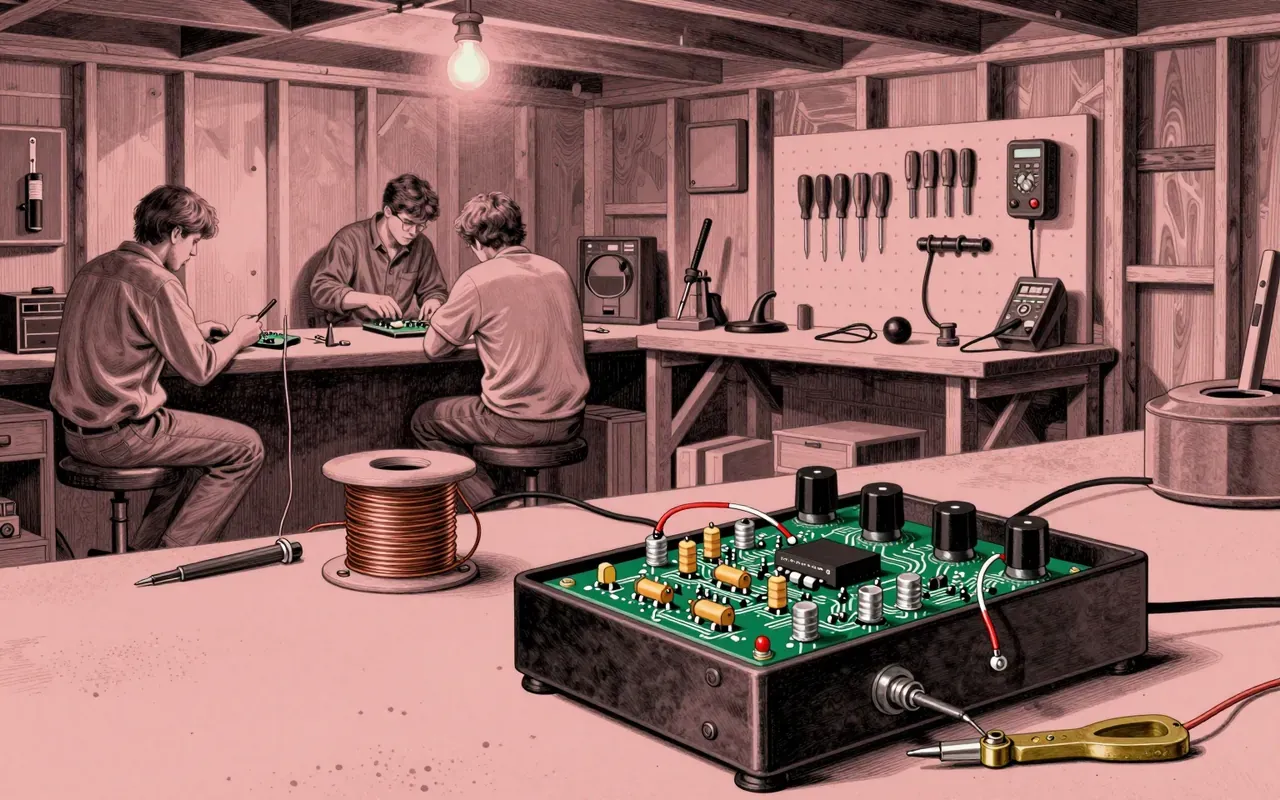
Higher notes track smoothly — no digital artefacts, unlike many contemporaries.
5:47
Verdict
Not fit for conventional performance. Only viable for intentional instability.
Worth your time?
No. The brief is enough.
2/ 5
What works
higher-note tracking
smooth tone without digital artefacts
What does not
track low notes reliably
suit conventional performance
Use it if
noise musicians
players who want unstable sub-octave textures
Skip it if
bass doublers
live guitarists needing pitch accuracy
The written brief1 min read
What it is and what it was built for
It is a stompbox octaver pedal built to generate one or two sub-octaves from a guitar signal while preserving the dry tone.
How it works, in terms a player would use
It sits first in the signal chain. It has three knobs: one for a sub-octave down, one for two octaves down, and one to blend in the dry guitar signal. It accepts standard 1/4” input and output, runs on 9V DC via rear jack or battery.
What it does better than anything else
Its higher-note tracking sounds smooth — not digital or brittle — unlike many octave pedals of its era.
What it does badly
It mis-tracks notes below the 12th fret on the low E string. Those notes sound out-of-tune and wobbly. No adjustment recovers them.
What people made with it
The material does not state what people made with it.
Who should use it, and who should not
Only noise musicians or players who specifically want unstable, detuned sub-octave textures should use it. Guitarists seeking reliable pitch doubling should not.
Is it worth your time
It is not worth your time for conventional playing. It fails where it matters most — on low-register notes — and offers no workaround.