audiobriefs
8:50in productionCh. 1 · What it is/ 8:50 · ceiling 15 min
DJ gear

Rane/Serato Scratch Live SL1

It doesn’t make sound. It doesn’t shape sound. It just lets vinyl move MP3s — and does that one thing with quiet, unshowy reliability.

The Rane Serato SL 1 is a purpose-built bridge between vinyl and digital audio. It does one job: translating timecode signals into Serato Scratch Live 2.5. It asks for turntables, a mixer, and a laptop — and gives back stable, low-latency control. It offers no flexibility, no expansion, no autonomy. It is obsolete as a product, but functional as a node — if your setup still runs on it.

Chapters & takeaways4
  1. 0:56
    What it is

    It is not a controller, a mixer, or a sound source — it is strictly an interface for vinyl-controlled digital playback.

  2. 2:39
    How it connects

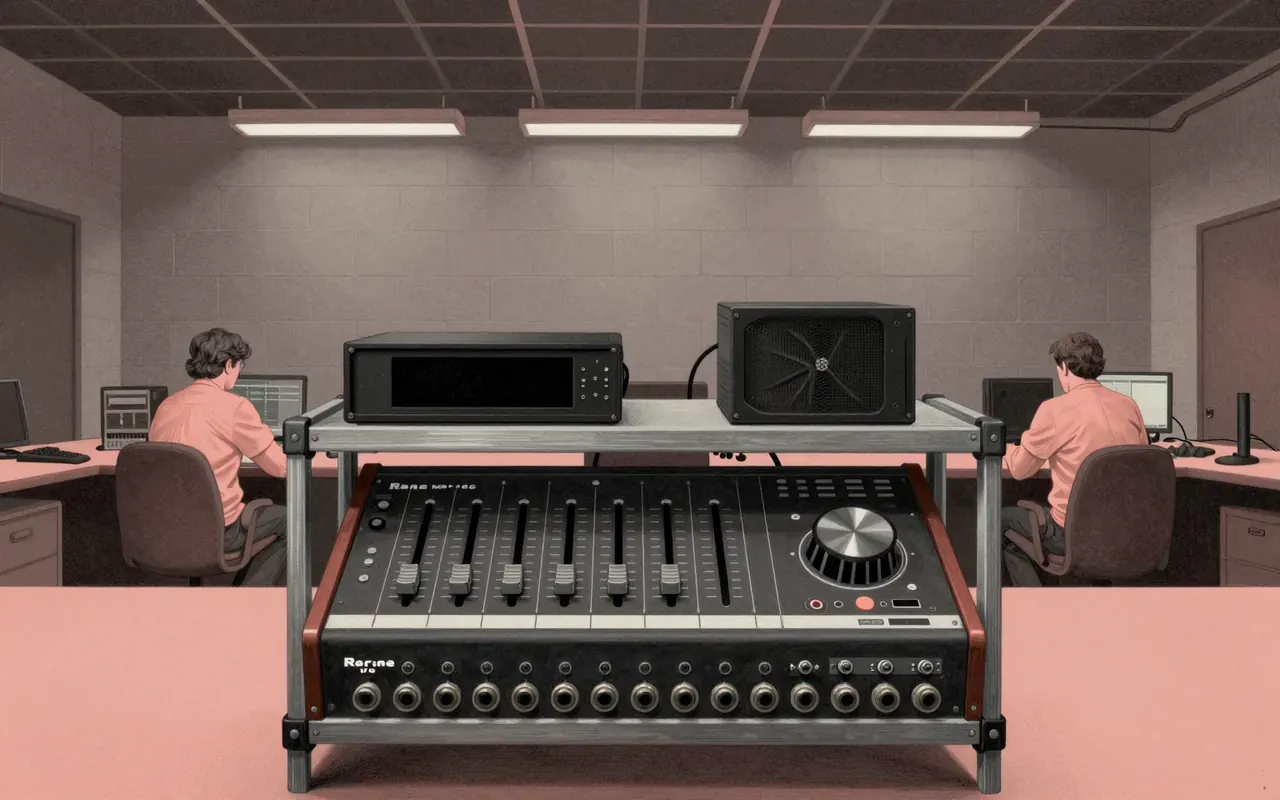
    It plugs into mixers like the DJM-500 or TTM-56 via RCA, and works with turntables, CDJs, and multitrack recorders like the Yamaha AW16.

  3. 4:03
    Driver stability

    Users report stable drivers — no crashes, no dropouts — during live DJ operation.

  4. 5:19
    Software lock-in

    It only works with Serato Scratch Live 2.5 — no other software, no firmware updates, no standalone mode.

Worth your time?

Yes. Use the whole thing.

3.5/ 5
What works
  • stable driver performance
  • clean RCA integration with common mixers and turntables
  • direct signal path from timecode vinyl to software
What does not
  • make sound
  • process audio
  • function without Serato Scratch Live 2.5
  • support modern DVS software
Use it if
  • DJs maintaining legacy Scratch Live setups
  • archivists preserving early-2000s digital vinyl workflows
Skip it if
  • beginners building first setups
  • DJs using modern Serato Pro or third-party DVS
The written brief1 min read

What it is and what it was built for

The Rane Serato SL 1 is an audio interface. It was built to translate timecode vinyl signals into digital audio playback in Serato Scratch Live 2.5.

How it works, in terms a player would use

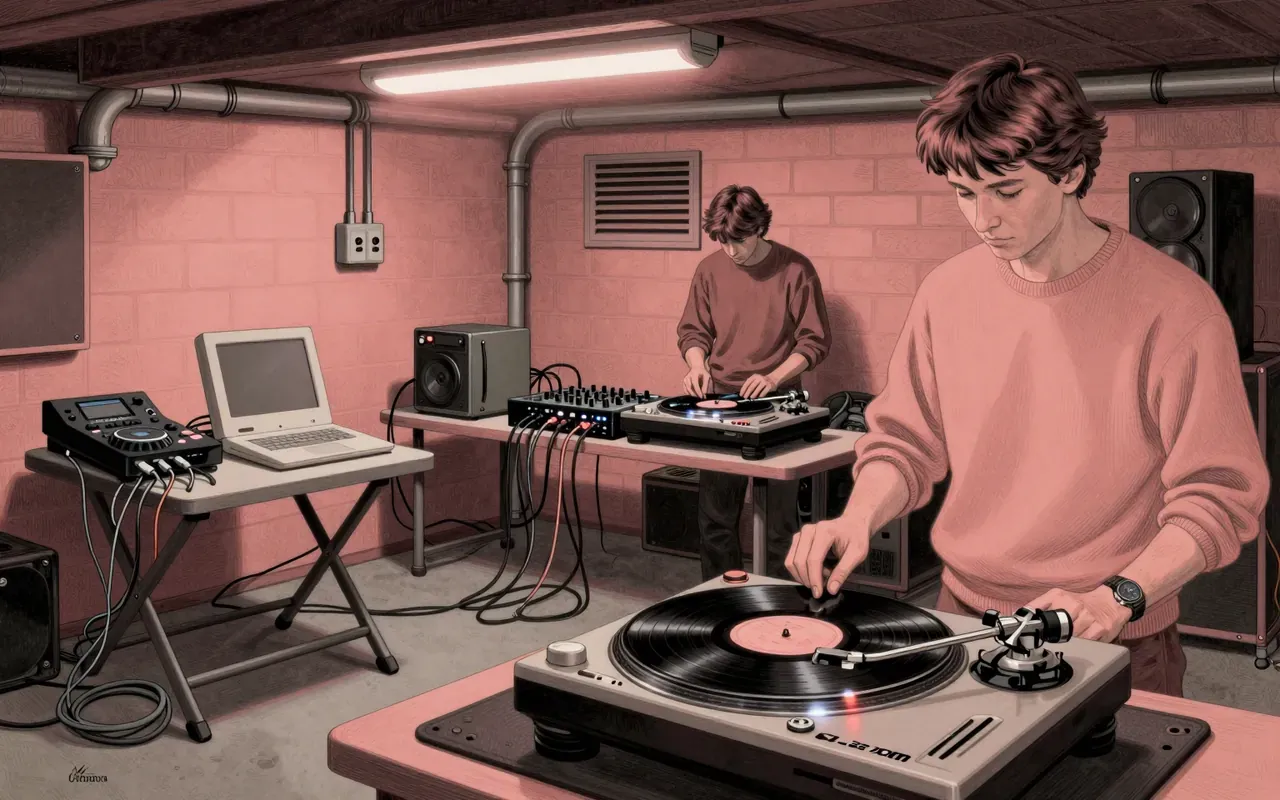
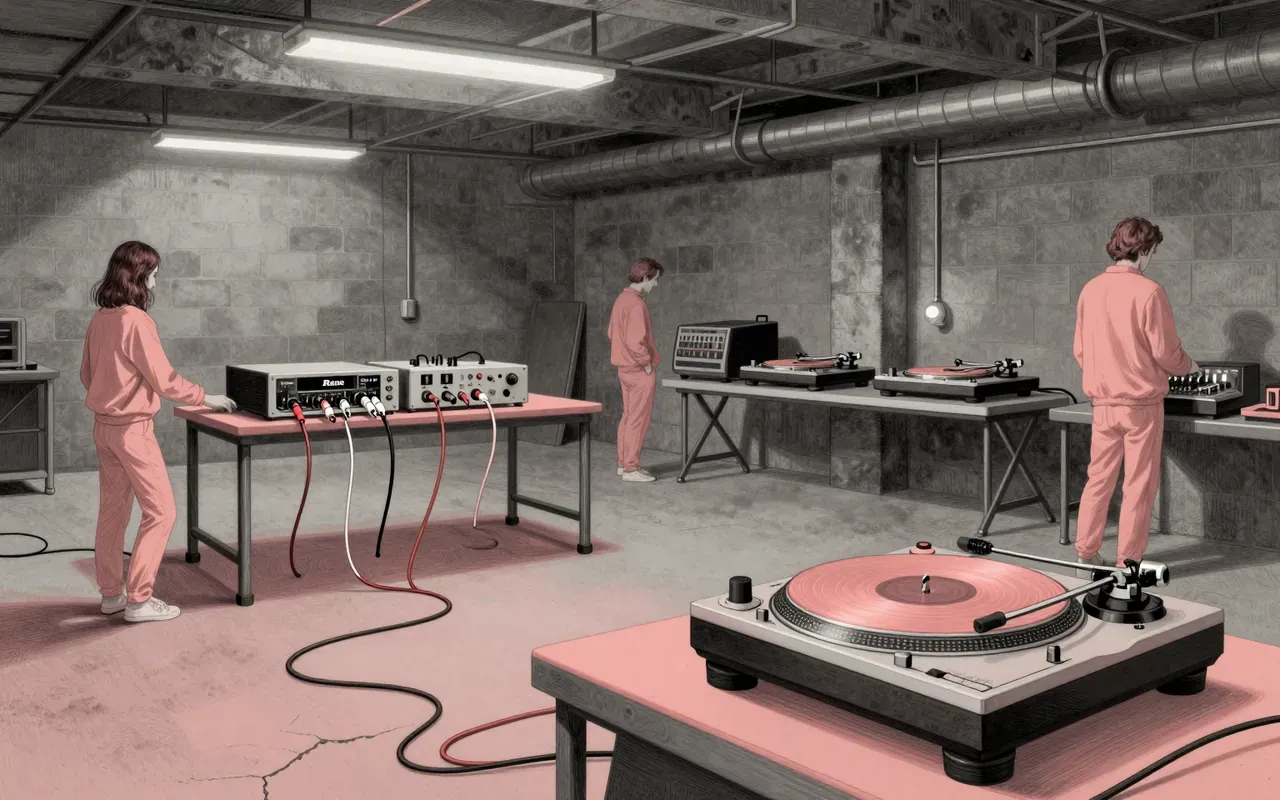
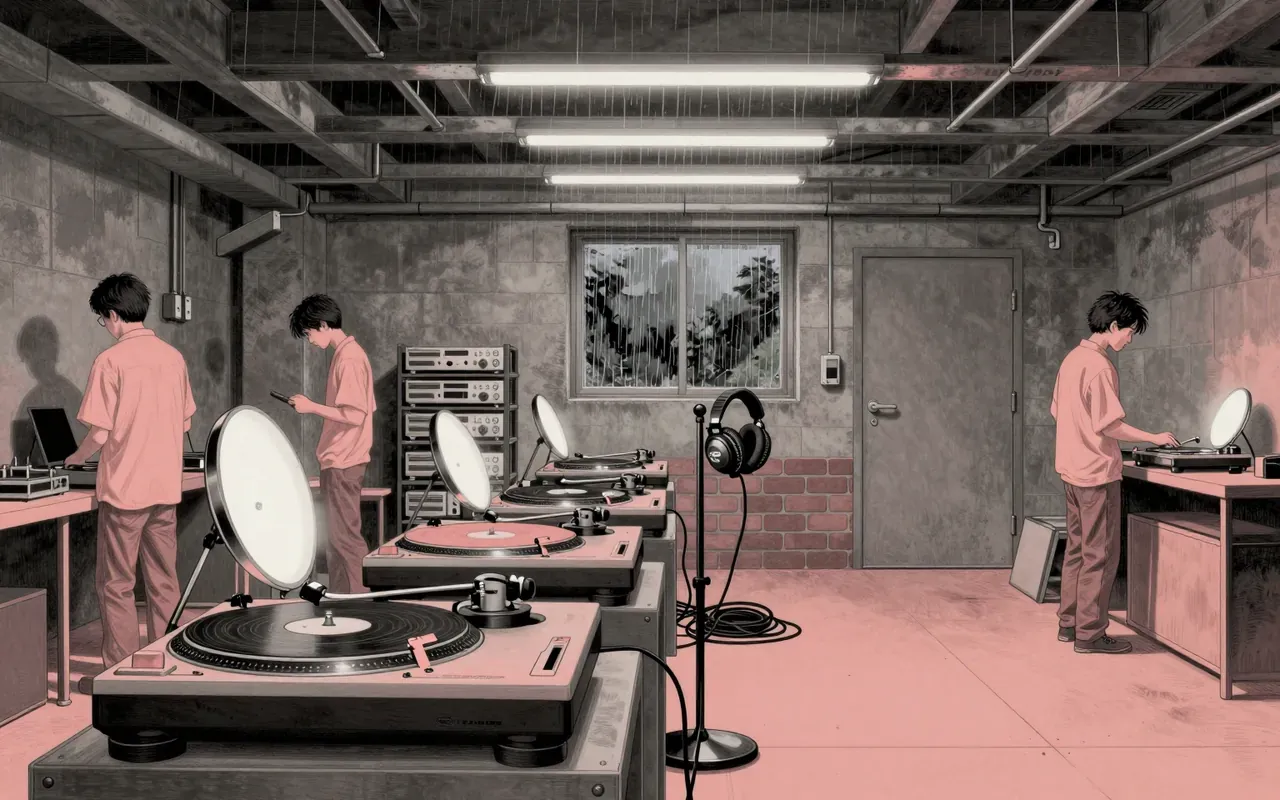
It connects to a turntable via RCA cables. It routes audio to a mixer like the DJM-500 or TTM-56. It sends timecode vinyl signals to Serato Scratch Live 2.5 software. It lets DJs scratch and mix digital files as if they were vinyl.

What it does better than anything else

It delivers stable driver performance for vinyl-controlled DJing. It integrates cleanly with common DJ hardware: Numark TT500 turntables, Pioneer DJM-500, Mackie TTM-56, Yamaha AW16 multitrack recorders.

What it does badly

It does nothing with synthesis, sampling, effects, or standalone playback. It has no built-in controls, no audio processing, no monitoring options beyond basic routing. It cannot function without Serato Scratch Live 2.5 software.

What people made with it

Users mixed digital tracks using two Numark TT500 turntables, routed audio through a Yamaha AW16 multitrack recorder, and monitored on M-Audio BX5a speakers.

Who should use it, and who should not

DJs who already own timecode vinyl, turntables, a compatible mixer, and a laptop running Serato Scratch Live 2.5 should use it. Anyone without that stack — or anyone seeking modern DVS alternatives — should not.

Is it worth your time

It is worth your time only if you need vinyl control of digital audio and already own compatible hardware — turntables, a mixer, and a laptop running Scratch Live 2.5.
Same bench · DJ gear4 of 29
Up next in Audio

Soundcraft 2400

Soundcraft · 6:46

It’s an analog mixer — and that’s all we know.

6:46