audiobriefs
8:18in productionCh. 1 · Stationary by design/ 8:18 · ceiling 15 min
Mixing & mastering · Studio & recording

Genelec 1031A

Too accurate for its own good: the 1031A tells you exactly what’s wrong—then refuses to flatter your fix.

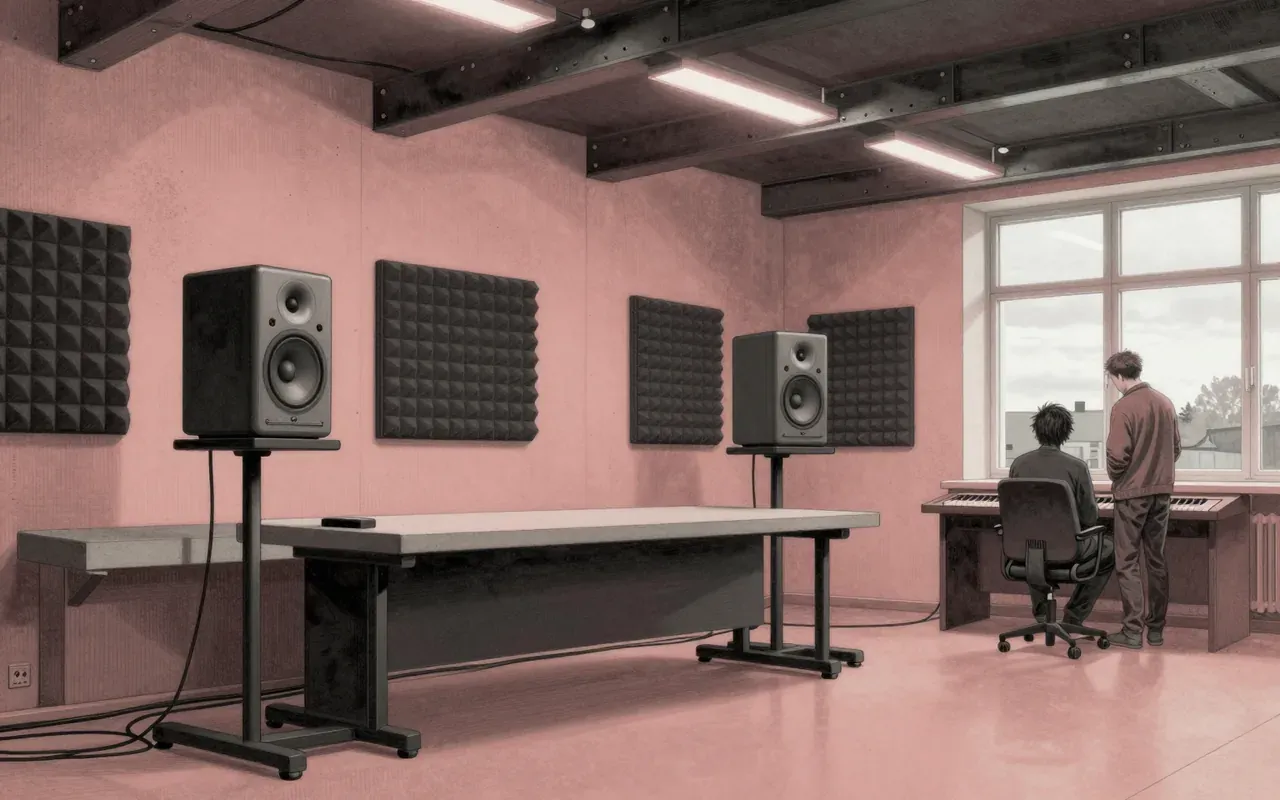
The Genelec 1031A is a large, active, self-powered studio monitor built for stationary use in professional recording studios. It delivers full-spectrum sound with strong low-end presence and tight high-end response. It plays loudly without colouration and reveals fine audio detail. Its built-in amplification is highly effective. Its size and sonic neutrality make it unsuitable for small rooms or home studios. Users report it excels in medium-to-large spaces and is trusted for critical mixing and tracking.

Chapters & takeaways5
  1. 0:49
    Stationary by design

    Built for the studio—not your desk, not your van, not your living room.

  2. 2:02
    Self-powered, no compromises

    No amp needed. Amplification is built-in and incredibly effective.

  3. 2:58
    What you hear is what you get

    Full-spectrum sound: huge low end, tight highs, loud playback, zero colouration.

  4. 4:05
    Too good for mixing

    So honest it can undermine confidence—mixes rarely sound this good elsewhere.

  5. 5:34
    Workhorse in the chain

    Used for both tracking and mixing—trusted where decisions must hold up globally.

Worth your time?

Yes. Use the whole thing.

4.5/ 5
What works
  • full frequency spectrum coverage
  • high-volume playback
  • detail revelation
  • tracking and mixing
What does not
  • colour the sound
  • require an external amplifier
  • suit small or untreated rooms
Use it if
  • professional studio engineers
  • medium-to-large treated spaces
Skip it if
  • home recordists
  • mobile producers
  • small untreated rooms
The written brief1 min read

What it is and what it was built for

The Genelec 1031A is a large, active, self-powered studio monitor designed for stationary use in professional recording studios.

How it works, in terms a player would use

It is active and self-powered, needing no external amplifier. It is large and built for stationary studio use only.

What it does better than anything else

It covers the full frequency spectrum with strong low-end and tight high-end response. It plays loudly without colouration and reveals subtle signal details better than most monitors of its era.

What it does badly

It falls short in small rooms. Its size and neutrality make it unsuitable for home studios or portable setups.

What people made with it

Engineers used it for both mixing and monitoring during tracking.

Who should use it, and who should not

Professional studio engineers in medium-to-large treated spaces should use it. Home recordists, mobile producers, and anyone working in small or untreated rooms should not.

Is it worth your time

Yes—if you work in a medium-to-large professional studio and need uncoloured, high-volume monitoring that exposes every detail. No—if you lack space, move gear often, or mix in untreated small rooms.
Same bench · Mixing & mastering4 of 110
8:48
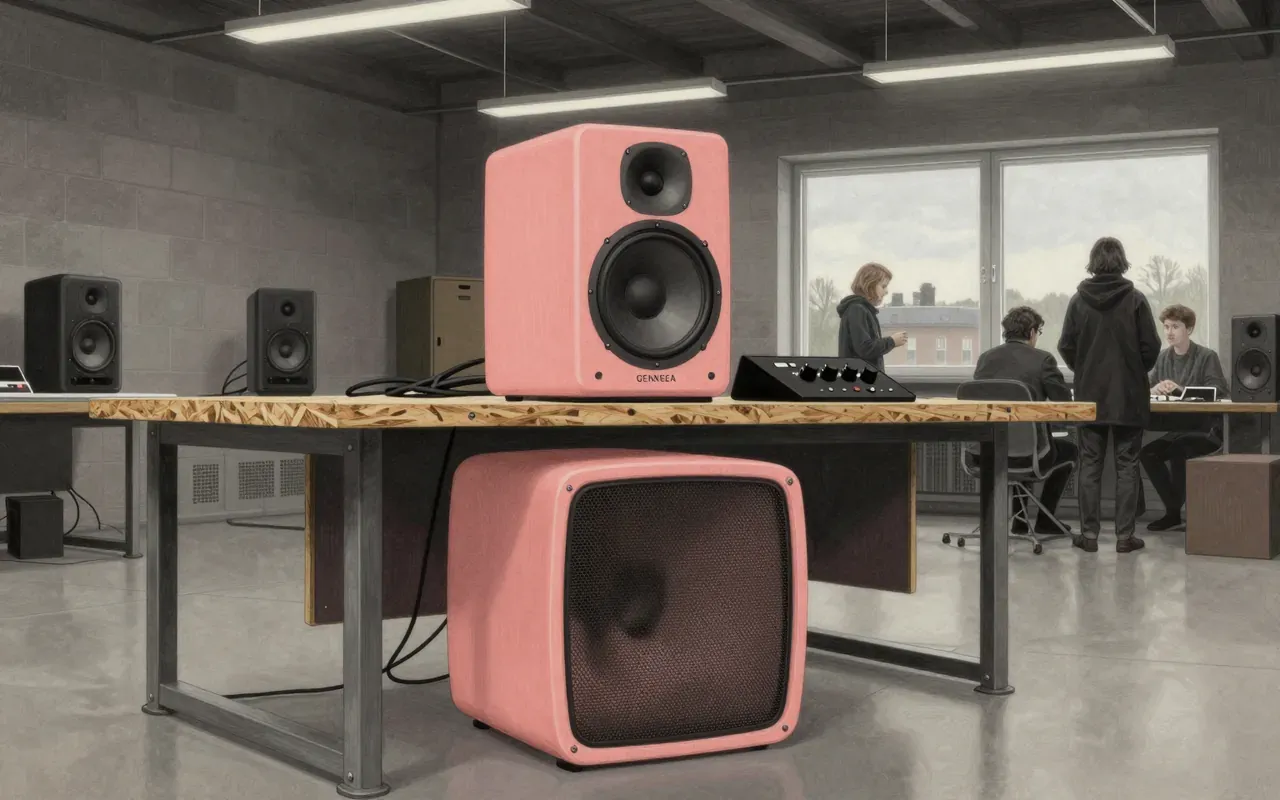
Genelec 1032AGenelecThe Genelec 1032A is a high-end, individually sold, active two-way near-field studio monitor. It uses a 10-inch woofer and 1-inch tweeter. Its frequency response is 36 Hz to 23 kHz. It delivers a clean sound with tight highs and reportedly accurate mids and lows. It requires no external power amplifier. It is sold singly, not in pairs.
6:50
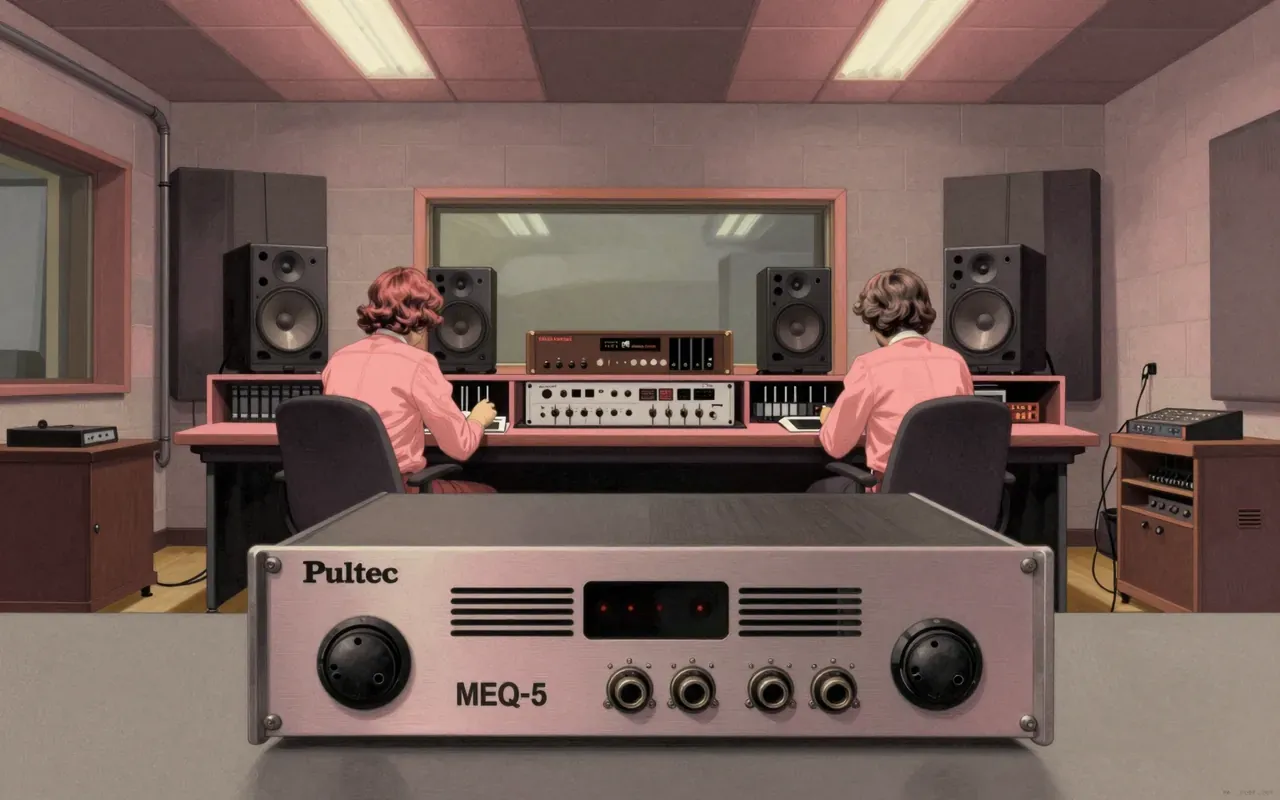
Pultec MEQ-5PultecThe Pultec MEQ-5 is a clean, transparent, three-band analog EQ. It occupies two rack spaces. Each band uses a frequency switch and a gain knob. It covers nearly the full frequency spectrum. It alters sound cleanly—nothing more, nothing less.
9:26
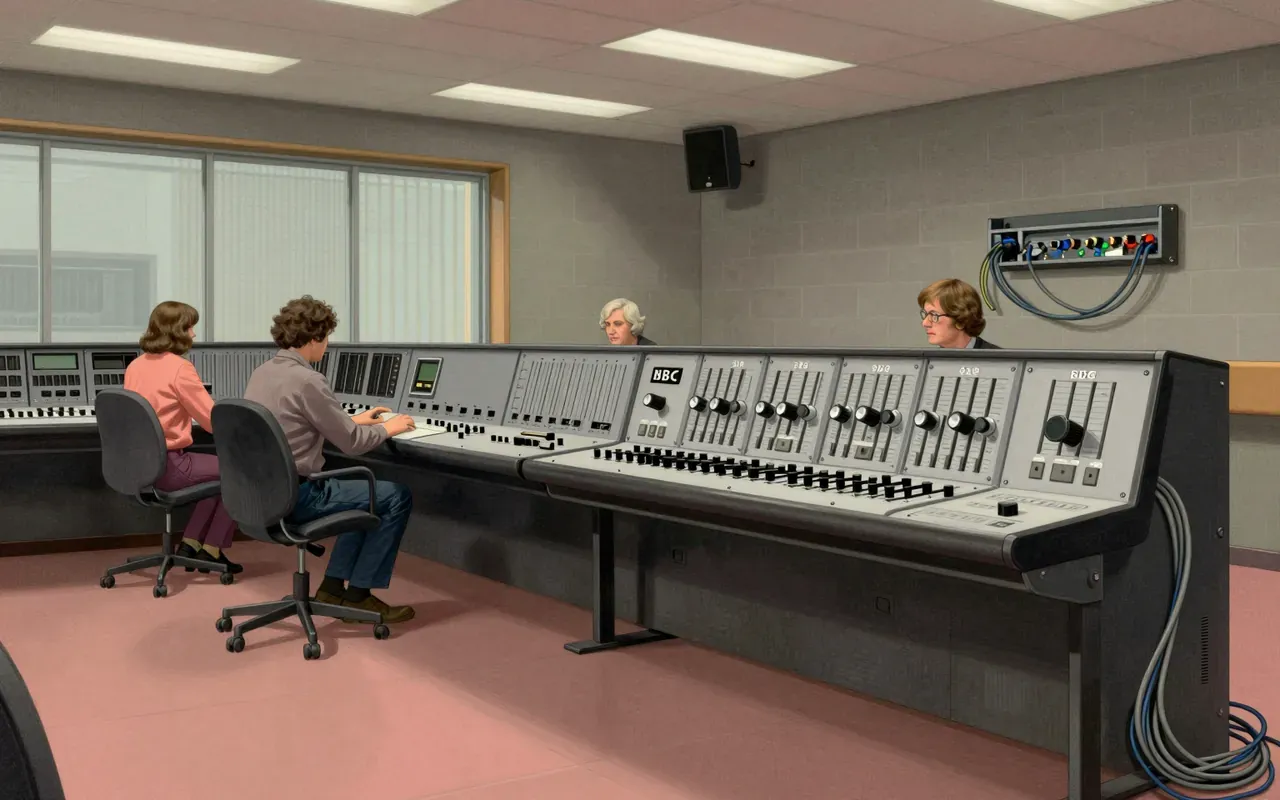
Neve 33115NeveThe Neve 33115 is a compact, broadcast-optimised channel strip built in Cambridge between 1974 and 1975. It uses the same class A preamp and EQ circuitry as the 1081 but drops the fourth EQ band and simplifies the layout. Its 300/1200 Ω input switch supports ribbons. It belongs in small consoles like the Melbourne and broadcast frames like the 5315 and 5316—not in large-format studio rigs.
9:49
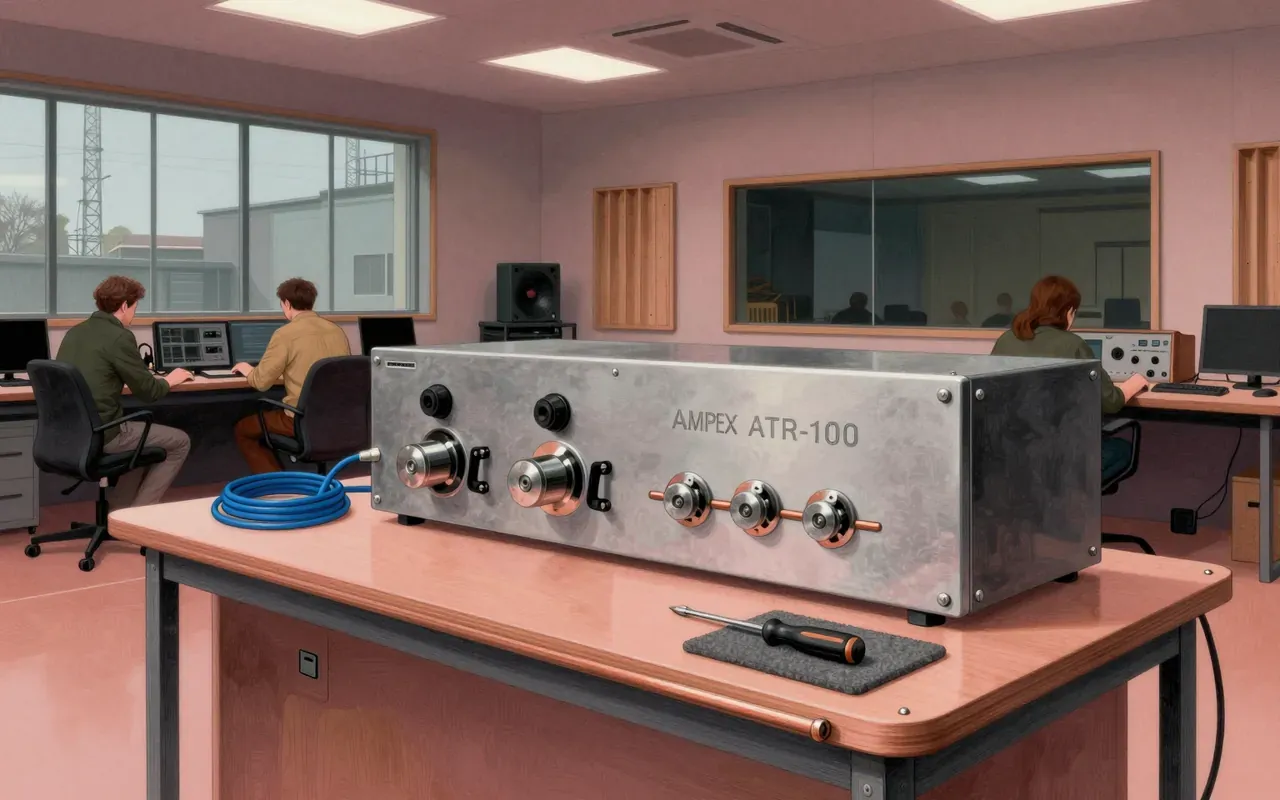
Ampex ATR-100AmpexThe Ampex ATR-100 is a mastering-grade analogue tape recorder introduced in Spring 1976 at the AES Conference in Los Angeles. Designed exclusively for stereo or quadraphonic mixdown and mastering, it features a servo-controlled direct-drive-capstan transport and interchangeable headblocks for quarter-inch or half-inch tape. Its wow and flutter performance set a new standard for analogue accuracy. It does not support multitrack recording. No verified claims exist about recordings made on it, its users, or its sonic signature beyond accuracy.
Up next in Audio

Genelec 1032A

Genelec · 8:48

A clean, tight, expensive near-field monitor that demands you pay twice — once for left, once for right.

8:48