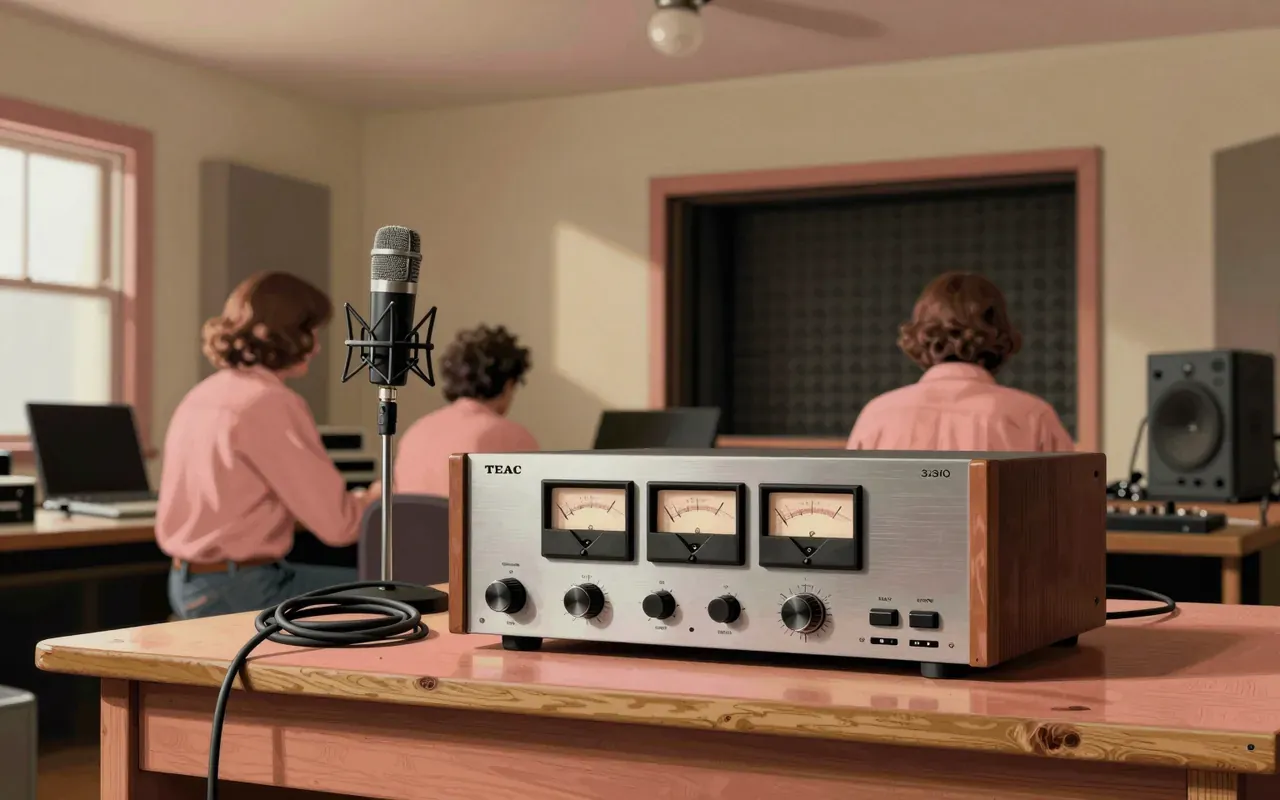
It’s not a budget 1081—it’s a broadcast-grade Neve stripped to its essential, transformer-coupled core.
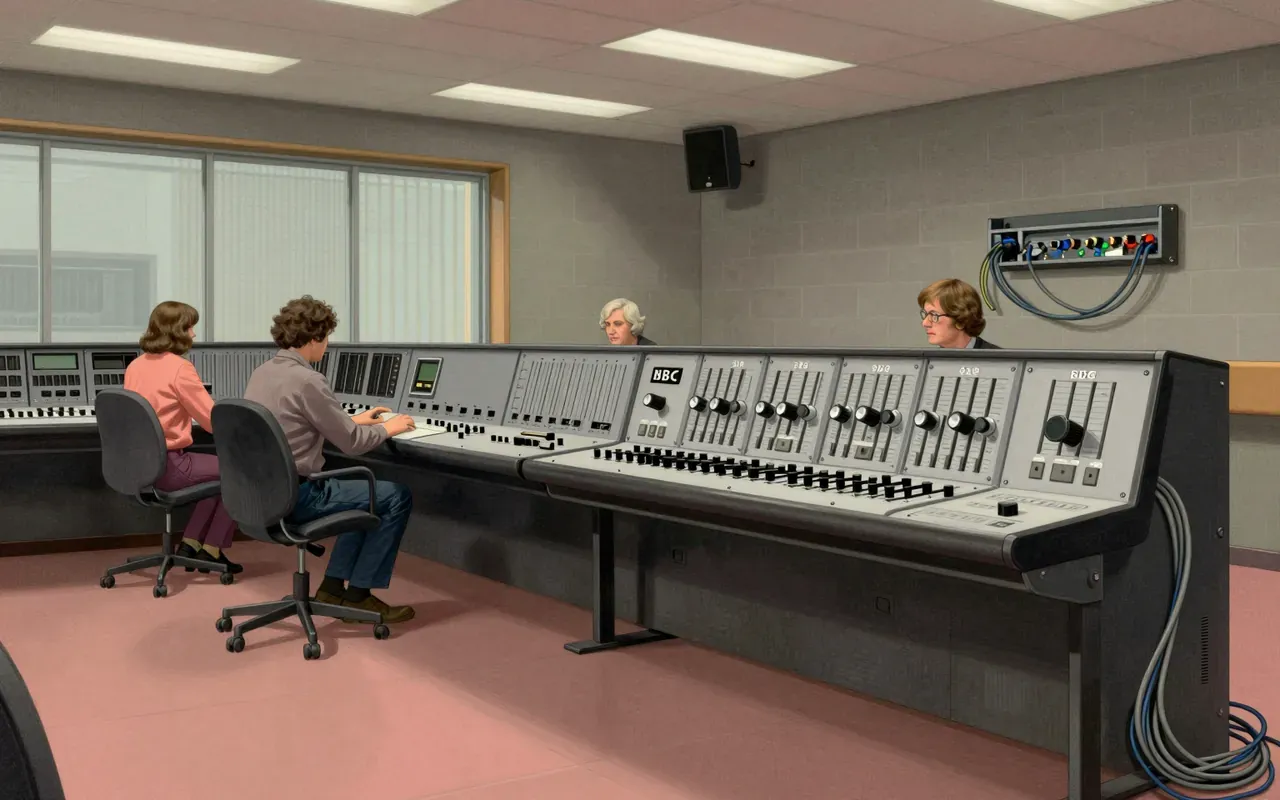
The Neve 33115 is a compact, broadcast-optimised channel strip built in Cambridge between 1974 and 1975. It uses the same class A preamp and EQ circuitry as the 1081 but drops the fourth EQ band and simplifies the layout. Its 300/1200 Ω input switch supports ribbons. It belongs in small consoles like the Melbourne and broadcast frames like the 5315 and 5316—not in large-format studio rigs.
Built in Cambridge between 1974 and 1975 for broadcast and small consoles—not big studios.
2:29
What it shares—and what it cuts
Shares identical electronics with the 1081—but shrunk, simplified, and repackaged.
3:50
How it routes sound
Class A preamp and EQ, class AB output, 3-band semi-parametric EQ, HPF, phase reverse, and EQ on/off.
5:34
What you can change—and what you can’t
Cosmetic variants exist (gray vs RAF Blue), and ribbon mics work via 300 Ω input switch.
Worth your time?
Yes. Use the whole thing.
4/ 5
What works
as a compact, reliable Neve channel in constrained spaces
with ribbon microphones via 300 Ω input
in class A signal path from mic input through EQ
What does not
deliver four-band EQ
fit large-format studio consoles
offer variable-Q mid band
Use it if
broadcast engineers
console restorers
tracking engineers valuing transformer colour over surgical control
Skip it if
mix engineers needing full 1081 flexibility
those requiring recall or automation
The written brief1 min read
What it is and what it was built for
The Neve 33115 is a 1974–1975 analog channel strip designed by Rupert Neve and associates in Cambridge. It was built for small-format Neve consoles like the Melbourne and broadcast consoles including the 5315 and 5316.
How it works, in terms a player would use
It routes mic or line input through a class A preamp with switchable 1200 Ω or 300 Ω transformer input. A 3-band semi-parametric EQ follows, then a high-pass filter and phase reverse switch. EQ can be bypassed entirely. Output driver runs in class AB.
What it does better than anything else
It delivers the same class A preamp and EQ circuitry as the 1081 in a smaller, more robust form factor suited to tight spaces and broadcast workflows.
What it does badly
It offers no fourth EQ band, no fully parametric mid, and no variable Q control—limits baked into its simplified topology versus the 1081.
What people made with it
Engineers used it in broadcast environments and smaller studio consoles where space and reliability mattered more than full 1081 feature parity.
Who should use it, and who should not
Broadcast engineers, console restorers, and tracking engineers who prioritise Neve’s class A saturation and transformer colour over surgical EQ control. Not for those needing four-band shaping or modern recall.
Is it worth your time
Yes—if you need Neve’s core tonal character in a compact, broadcast-optimised channel strip—but only if you accept its reduced EQ flexibility and lack of the 1081’s fourth band.