What it is and what it was built for
The Sennheiser MD 21 is a dynamic omnidirectional proximity microphone. It was built for TV and film sound recording.
How it works, in terms a player would use
It is a dynamic omnidirectional proximity microphone. It captures sound evenly from all directions. Its proximity effect boosts low frequencies when placed close to a source. It requires no power. It connects via XLR.
What it does better than anything else
It delivers intelligible, warm voice reproduction under physical stress. It resists handling noise better than comparable mics. It handles plosives and sibilance cleanly — ‘p’ and ‘s’ sounds go ‘nickel’, not distorted.
What it does badly
It does not reject off-axis sound. It cannot isolate a source in noisy environments. It does not tame plosives or sibilance by design — it simply withstands them without distortion.
What people made with it
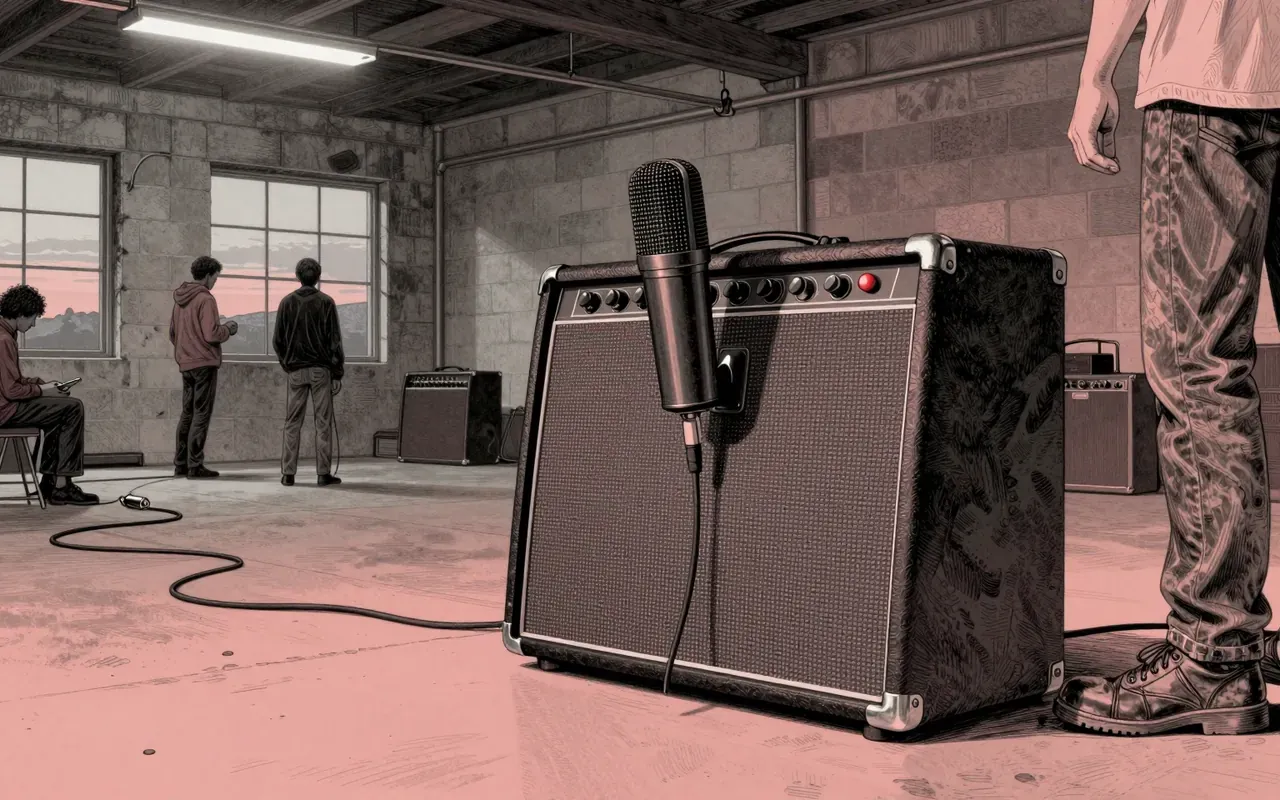
People used it on snare drum, hi-hat, guitar cabinets, percussion, rap, slam poetry, commentary, and ambient recordings.
Who should use it, and who should not
Voice artists who perform physically — rappers, slam poets, commentators — should use it. Live sound engineers needing a durable, no-fuss mic for loud sources should use it. Studio engineers seeking surgical control or quiet-room precision should not.
Is it worth your time
Yes — if you need rugged, intelligible voice capture or warm, handling-noise-resistant instrument miking in live or field settings. No — if you need directional rejection, high-frequency air, or studio-grade neutrality.