audiobriefs
9:22in productionCh. 1 · No Frills, No Filler/ 9:22 · ceiling 15 min
Microphones & preamps · Studio & recording

Daking Mic Pre IV

It doesn’t colour your sound—it reveals it. And that’s exhausting if your mic isn’t up to the task.

The Daking Mic-Pre IV is a 4-channel solid-state analog preamp with minimal controls and no colouration. It amplifies cleanly and intensely—revealing rather than refining the source. Its design prioritises workflow over flavour.

Chapters & takeaways4
  1. 0:51
    No Frills, No Filler

    Four channels. One gain knob. Five switches. Nothing more.

  2. 2:12
    Transparent, Not Tame

    Solid-state clarity hits hard—but never softens anything.

  3. 3:28
    Built for the Studio Workflow

    Rear XLRs for patch bays. Front 1/4" for quick DI.

  4. 4:58
    A Mirror, Not a Makeup Artist

    Its transparency means your mic’s flaws come through unfiltered.

Worth your time?

Yes. Use the whole thing.

4/ 5
What works
  • transparent signal path
  • clean headroom
  • patch-bay-ready rear XLRs
  • quick DI via front 1/4" jacks
What does not
  • add colour
  • soften transients
  • compensate for mic mismatch
Use it if
  • engineers tracking with high-quality mics
  • studios needing reliable, transparent gain
Skip it if
  • producers seeking harmonic saturation
  • users wanting onboard EQ or compression
The written brief1 min read

What it is and what it was built for

A 4-channel solid-state analog microphone preamplifier built for studio tracking where fidelity, simplicity, and reliability matter more than colour or texture.

How it works, in terms a player would use

It has one gain knob and five switches: 1/4” input, mic/line, phantom power, -20 dB pad, and phase flip. Front-mounted 1/4” jacks accept direct signals. Rear XLRs are for permanent patch-bay wiring. No EQ or compression. It does one job: amplify.

What it does better than anything else

It delivers a clear, hard-hitting, transparent signal more consistently than most solid-state preamps at its price. It matches the microphone’s voice without masking or exaggerating.

What it does badly

It adds no character of its own. It cannot shape tone, soften transients, or compensate for mismatched microphones. Its transparency means poor mics sound poor.

What people made with it

The source material does not state what people made with it.

Who should use it, and who should not

Engineers who track vocals, drums, or acoustic instruments through high-quality mics and want zero added noise or distortion. Not for producers seeking vintage warmth, aggressive grit, or channel-strip convenience.

Is it worth your time

Yes—if you need four clean, intense, transparent preamp channels without colouration or complication. No—if you want harmonic saturation, variable impedance, or onboard processing.
Same bench · Microphones & preamps4 of 55
10:30
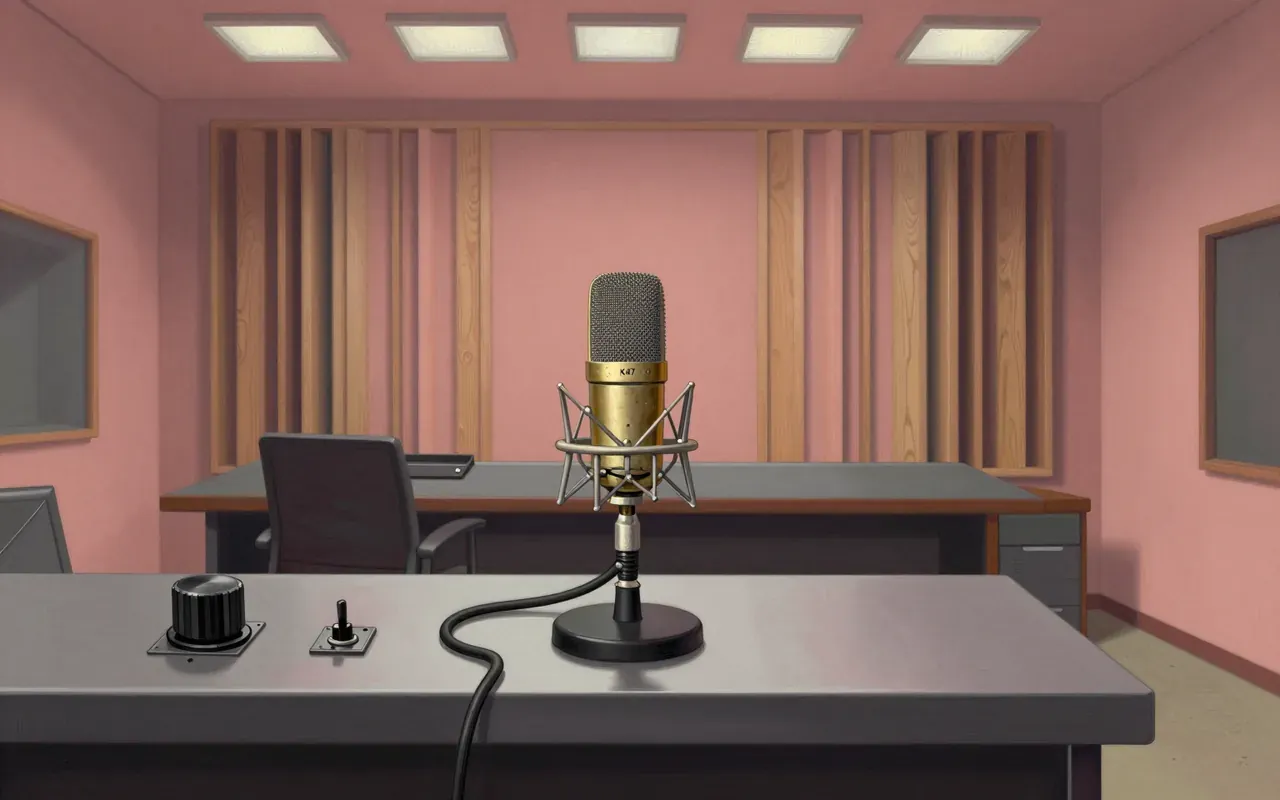
Neumann U 47Neumann · 2015The U 47 is a historically significant but operationally constrained microphone. Its innovation lies solely in being the first switchable-pattern condenser — a functional milestone, not a sonic benchmark. It demands specialist maintenance, offers no modern conveniences, and has no documented sonic signature beyond its era-specific implementation. It belongs in a museum or a dedicated vintage studio — not a general-purpose rig.
13:34
Neumann U 87Neumann · 1967The Neumann U 87 is a large-diaphragm condenser microphone introduced in 1967 as the solid-state successor to the U 67. It features a 25.4 mm diaphragm and three selectable polar patterns — cardioid, omnidirectional, and figure-8. It can be powered by 48V phantom power or two internal 22.5V batteries. The original used the K 87 capsule, a modified version of the K 67. The 1986 U 87A reverted to the standard K 67 capsule and eliminated the dual-battery requirement.
9:39
Sennheiser MD 441SennheiserA purpose-built dynamic mic from 1971 that prioritises rejection, bass control, and electromagnetic immunity over sonic versatility or modern convenience.
9:43
Beyerdynamic M 160Beyerdynamic · 1957The Beyerdynamic M 160 is a hypercardioid ribbon microphone introduced in 1957. It uses dual 15-mm aluminum ribbons suspended between alnico magnets (later neodymium), rotated 90 degrees to achieve end-address operation and a highly directional pickup pattern. It softens harsh characteristics of strident sound sources. It has been used in broadcasting, live concerts, and studio recordings — notably by Eddie Kramer on Jimi Hendrix and Andy Johns on John Bonham’s drums for 'When the Levee Breaks'. It remains in production over six decades later.
Up next in Audio

Sony DAT DTC-1000ES

Sony · 8:14

A DAT deck with no specs, no reviews, and no reason to choose it over anything else.

8:14