What it is and what it was built for
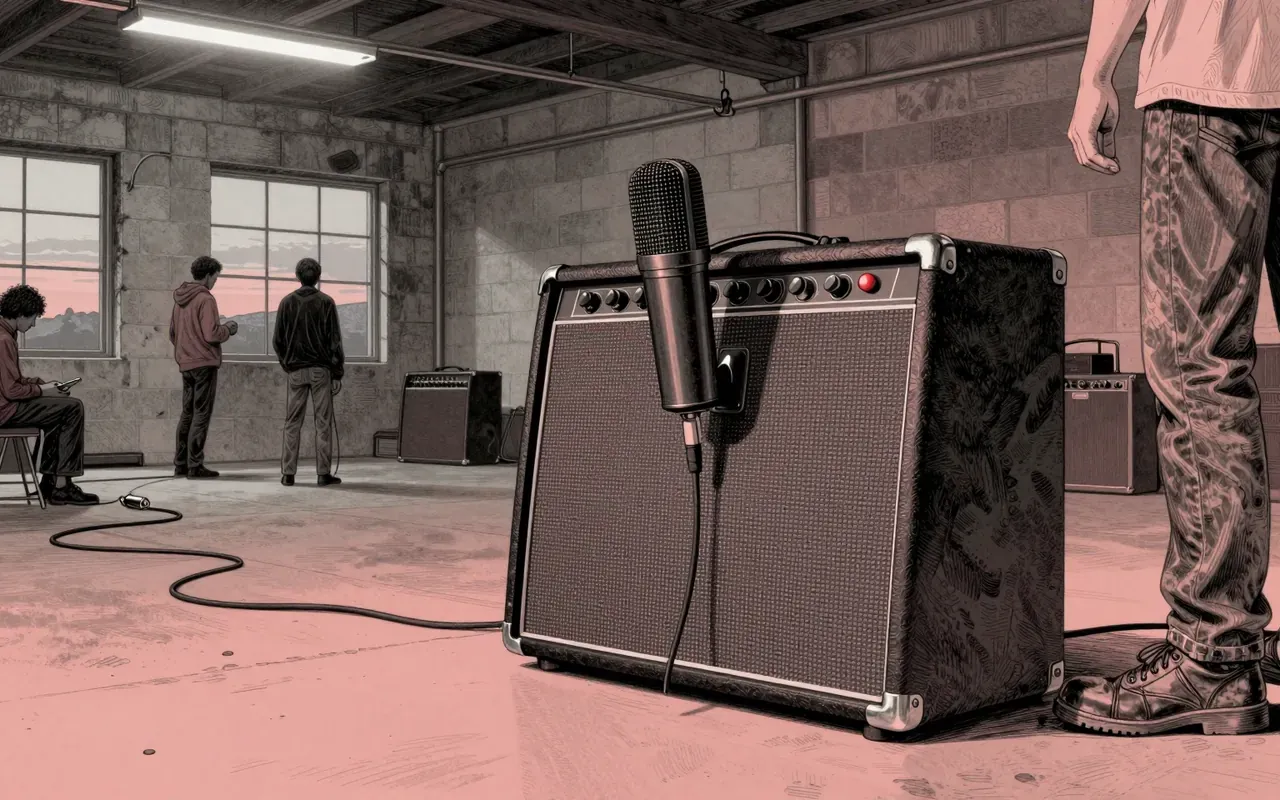
The Sennheiser MD 409 is a unidirectional dynamic microphone built for studio and live use, especially guitar cabinet miking.
How it works, in terms a player would use
It picks up sound from one side only. Its shape lets it sit flush against guitar amp grills. It needs no power. It handles high sound pressure levels without distortion.
What it does better than anything else
It captures electric guitar cabinets more effectively than most dynamic mics. Its physical profile and directional response let it sit tight on grill cloth without blocking airflow or risking damage.
What it does badly
It does not reject sound from the rear or sides. It is not suited for close-miking delicate sources or capturing wide-frequency detail in quiet environments.
What people made with it
Pink Floyd used it for live vocals, including in Live at Pompeii. Engineers used it on tom toms, saxophone, and vocals across decades of rock and studio work.
Who should use it, and who should not
Live sound engineers and guitarists who need a durable, focused mic for loud sources. Not vocalists seeking warmth or subtlety, or producers needing low-noise capture in controlled settings.
Is it worth your time
Yes — if you need a rugged, unidirectional dynamic mic for guitar cabs or stage vocals. No — if you need off-axis rejection, vocal nuance, or studio flexibility.