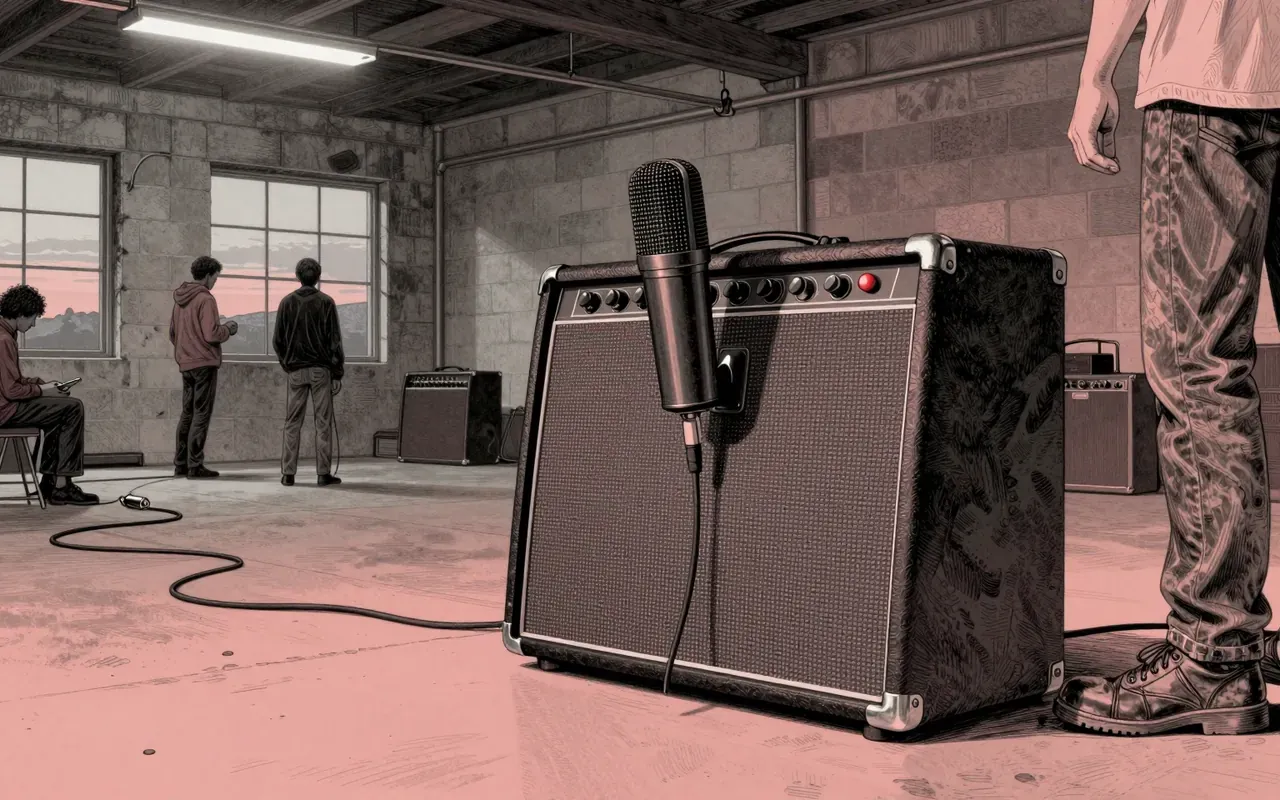
Sennheiser MD 409
Sennheiser
The Sennheiser MD 409 is a unidirectional dynamic microphone built for studio and live use, especially guitar cabinet miking.
An industry built on a maths error people enjoy making.
The Sennheiser MD 409 is a unidirectional dynamic microphone built for studio and live use, especially guitar cabinet miking.
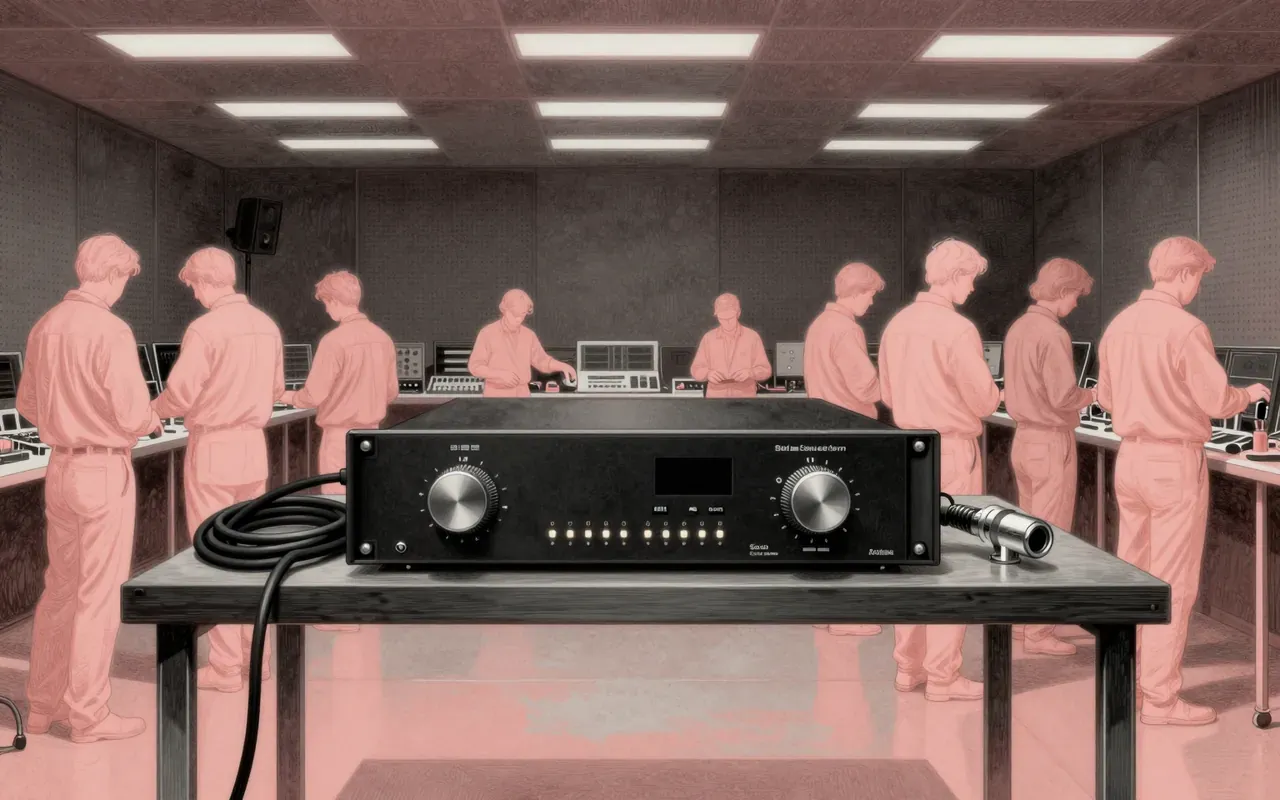
The dbx 120XP is an undocumented studio effect that generates subharmonics. Its operation is opaque. Its design yields no known advantages over alternatives. Its utility depends entirely on tolerance for uncertainty.
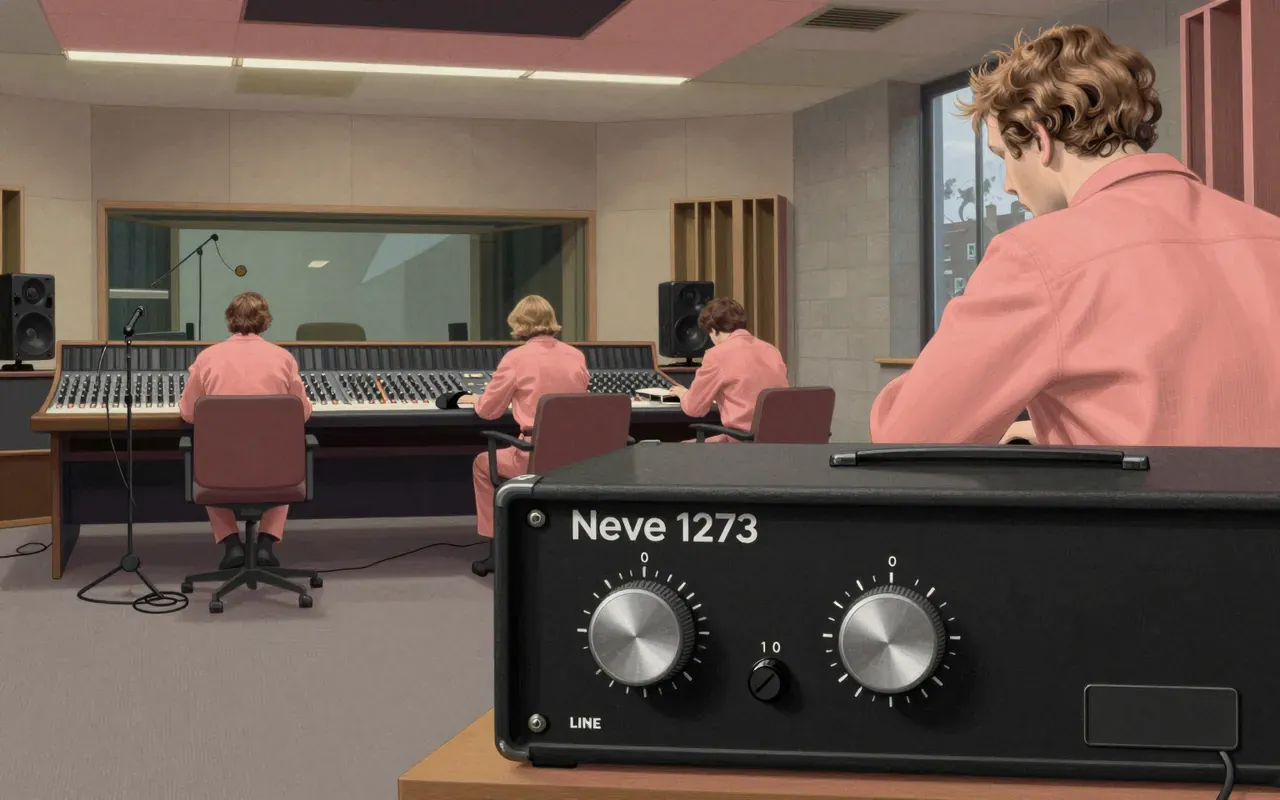
The Neve 1272 is a solid-state line amplifier. It does not accept microphone signals. It adds clean, transformer-coupled gain to line-level sources. It offers no input flexibility, no EQ, no saturation controls. Its value lies in its place in a fixed-path studio chain — not in versatility.
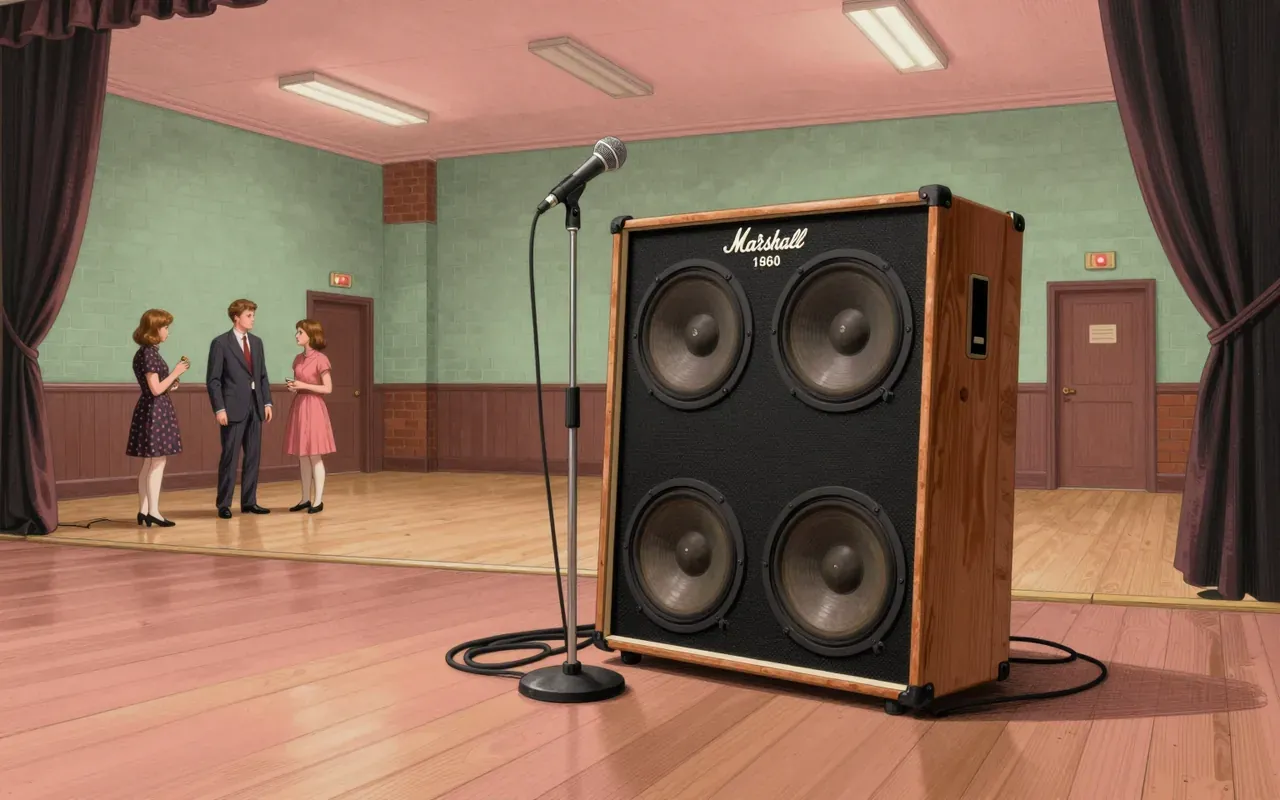
The Marshall 1960A JCM900 is Marshall’s designated main 4x12 cabinet—widely used, widely modified, and widely criticised. Its four Celestion G12T75 speakers deliver 300 watts of aggressive, scooped tone. Birch plywood construction meets an MDF back panel. Rear-panel impedance and stereo switching add flexibility. But air leaks at the seams. Joints feel insecure. Plastic handles flex under load. It excels only where harsh highs and tight lows serve metal—but fails jazz, grunge, and any genre demanding warmth or low-end authority.
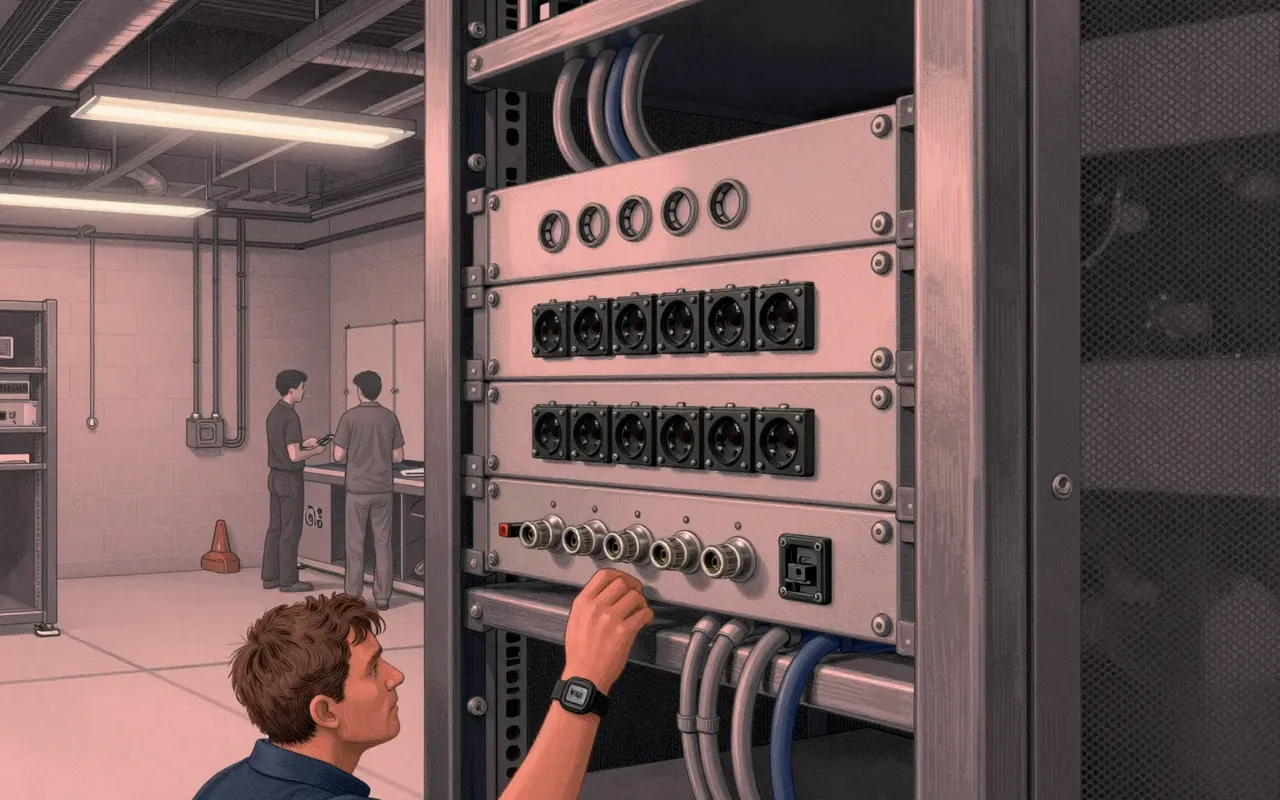
The Digidesign 888/24 is a Pro Tools–only analog-to-digital converter with eight XLR I/O channels and four AES-EBU digital paths. It delivers clean conversion, solid build quality, and low used-market cost—but only functions inside a compatible TDM system. No standalone mode. No MIDI. No monitor control. No software editor. It is a tool, not a platform.