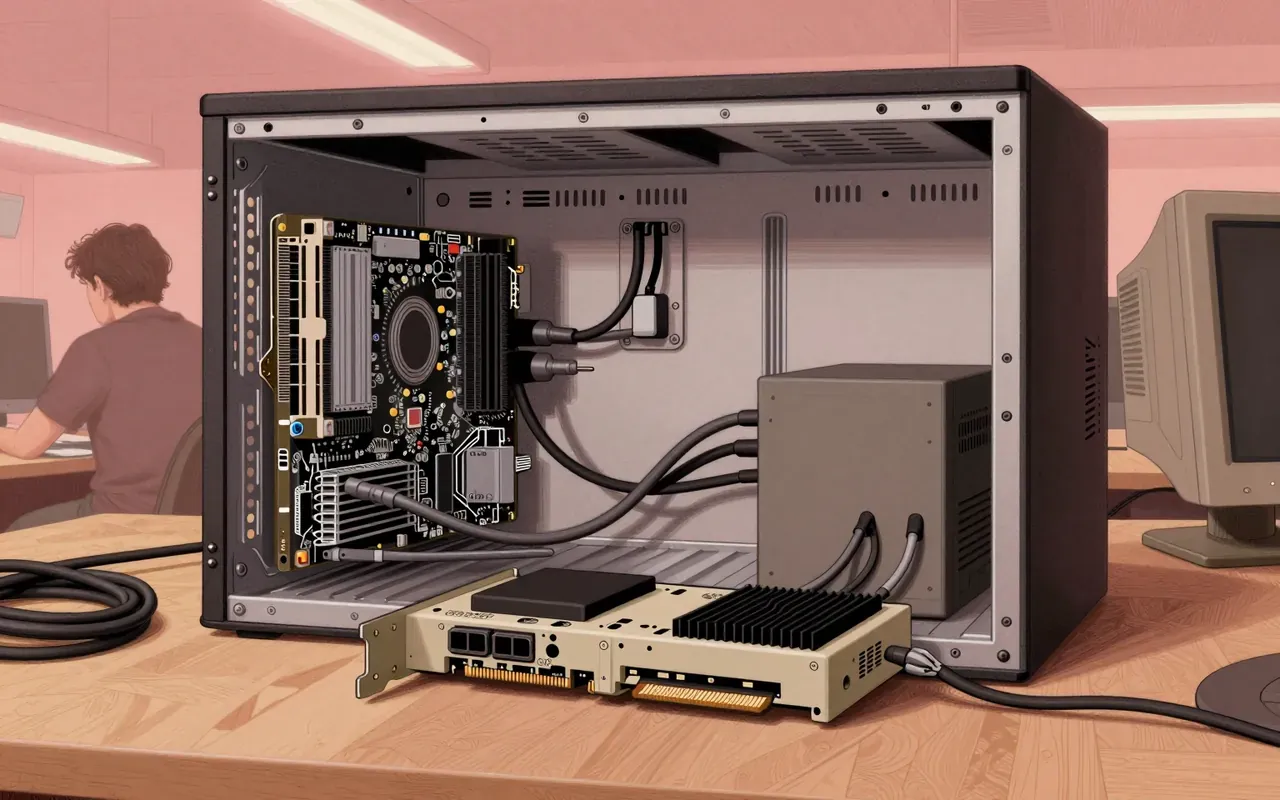
A 16-bit bridge between analog gear and early Pro Tools — functional, narrow, and obsolete outside its original chain.
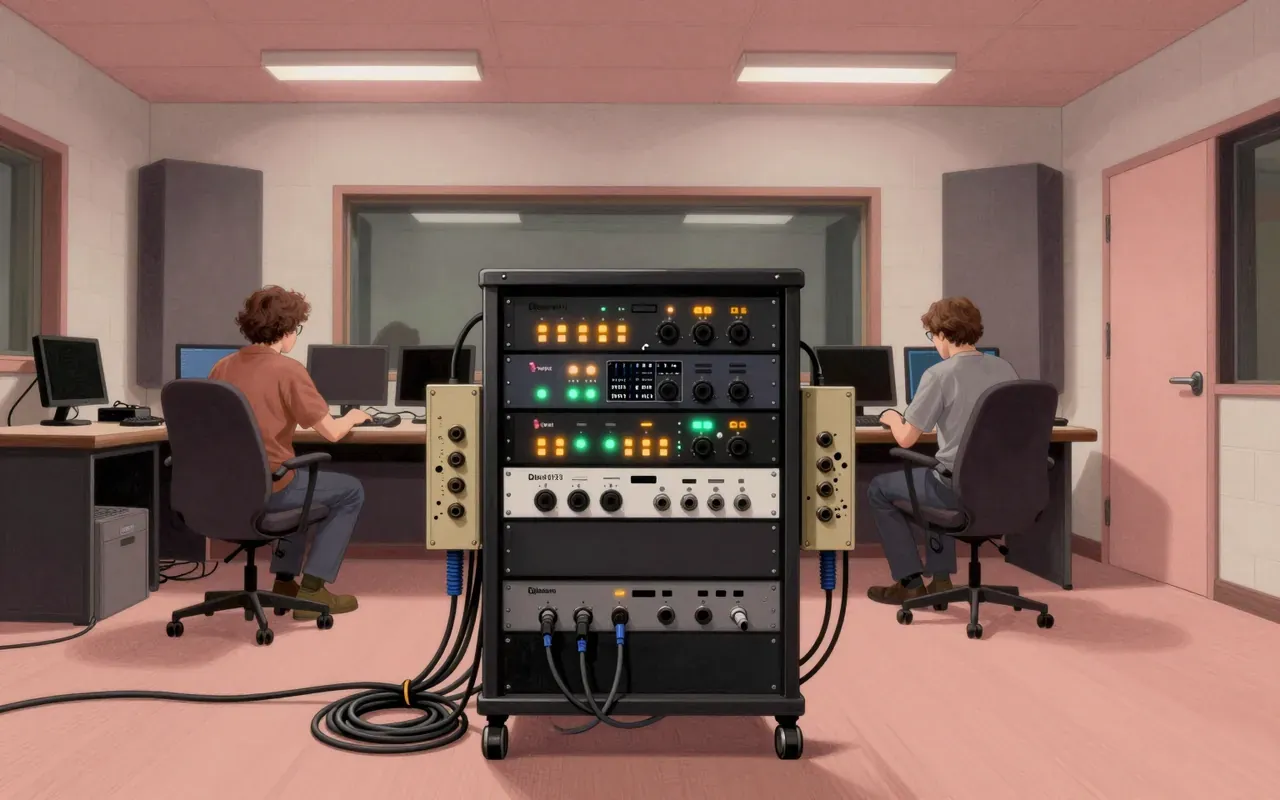
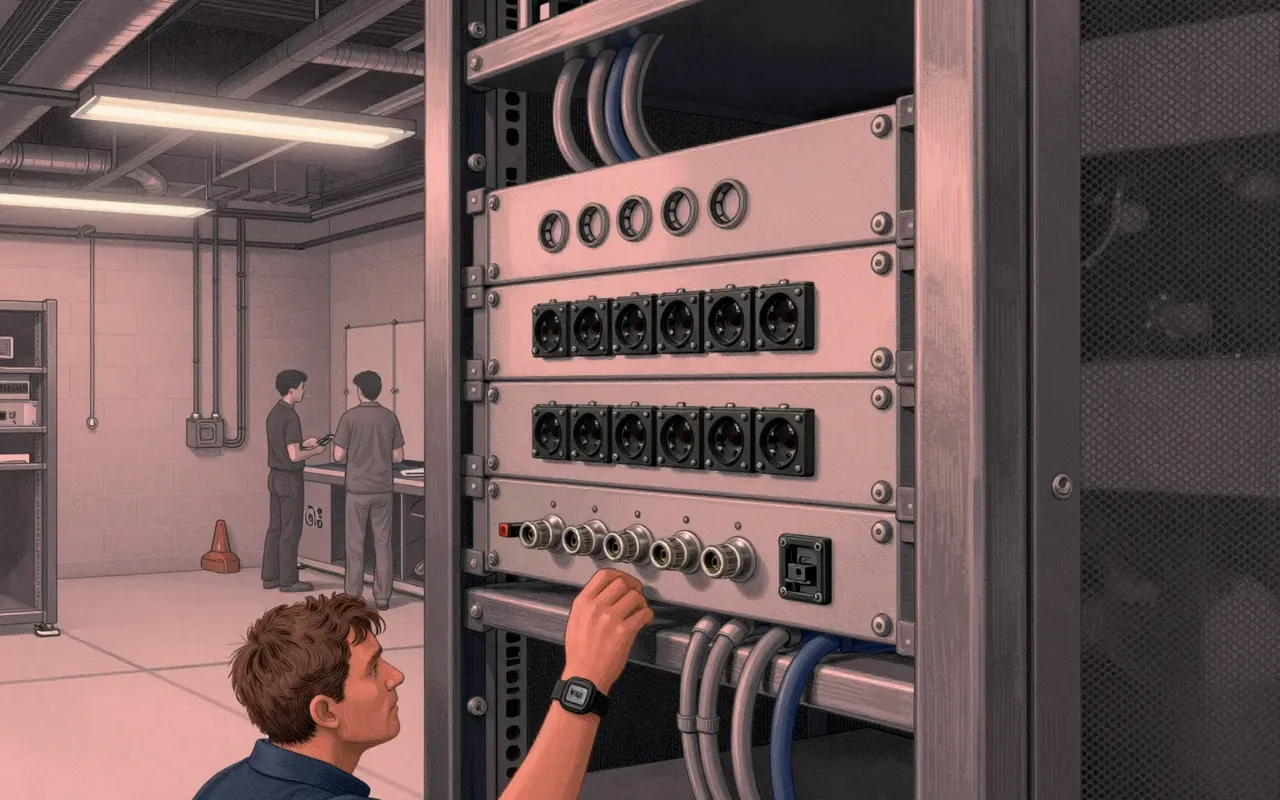
The Digidesign 888 I/O is a 16-bit analog/digital converter with eight XLR inputs, eight XLR outputs, and digital I/O via AES/EBU and S/PDIF. It was used in home studios, often alongside the 24-bit 888/24. It offers no processing, no preamps, and no variable gain — just fixed-path conversion. Its value lies only in compatibility with legacy Pro Tools TDM systems.
Eight XLR ins, eight XLR outs, plus AES/EBU and S/PDIF — no ADAT, no TDIF, no word clock in/out.
1:44
Bit Depth Lock
16-bit resolution defines its ceiling: no dither options, no oversampling, no software-controllable gain staging.
2:56
Paired, Not Replaced
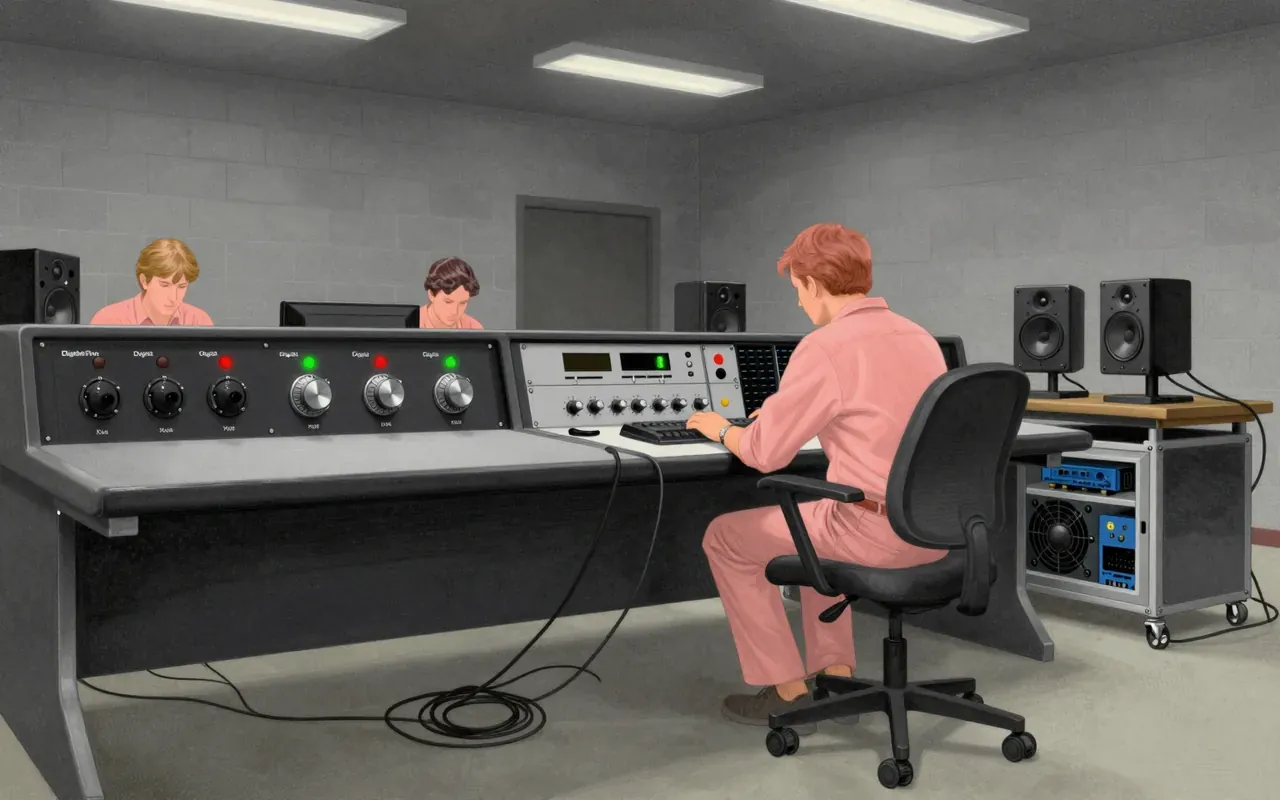
It was used alongside the 24-bit 888/24 — not as an upgrade, but as a parallel path for tracking or monitoring.
4:21
No Processing, No Choice
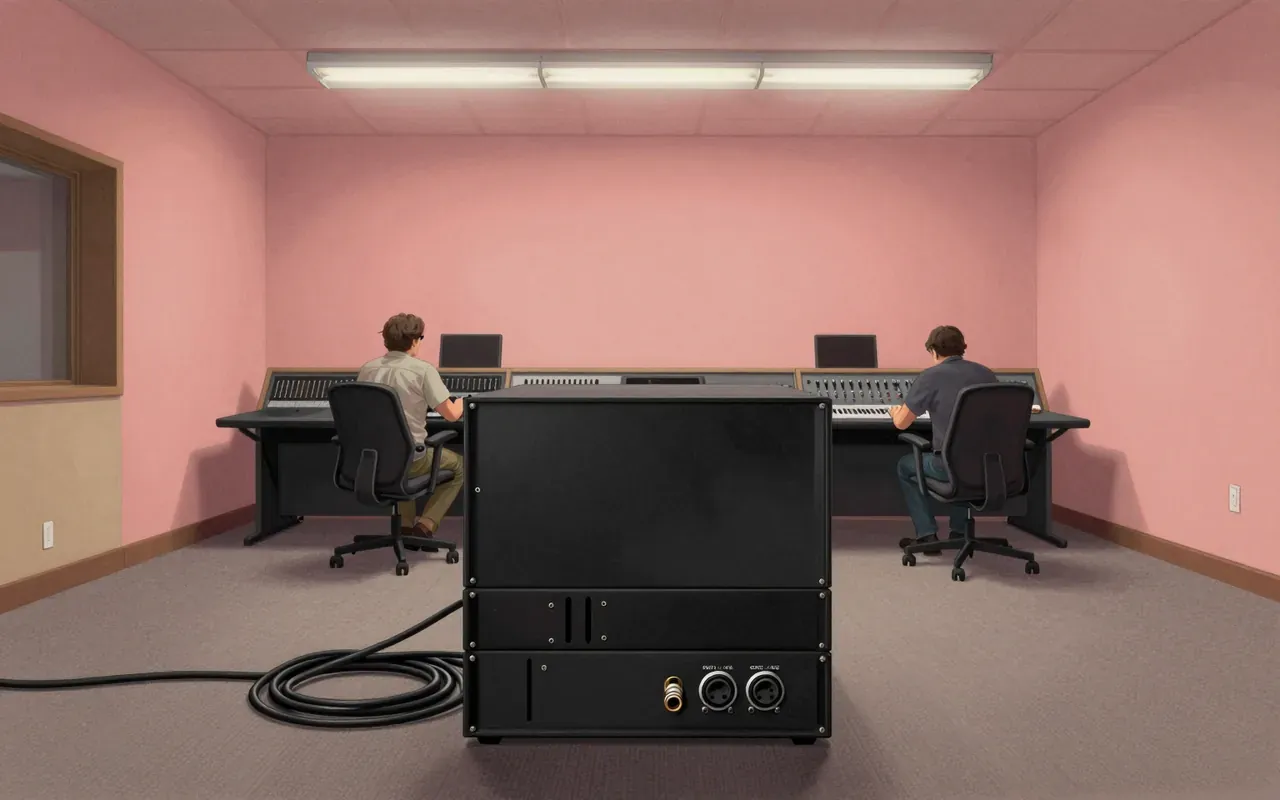
No onboard preamps. No EQ. No routing matrix. Just conversion — clean, fixed, and inflexible.
Worth your time?
No. The brief is enough.
2.5/ 5
What works
tightly-synced-digital-i-o
legacy-pro-tools-compatibility
What does not
sound-design
mixing-and-mastering
sound-systems
Use it if
pro-tools-ttm-users
vintage-studio-restorers
Skip it if
modern-daw-users
podcasters
live-sound-engineers
The written brief1 min read
What it is and what it was built for
The Digidesign 888 I/O is a discontinued 16-bit analog/digital converter built for expanding the I/O count of early Pro Tools systems in home studios.
How it works, in terms a player would use
It routes eight analog signals in and out via XLR. It adds digital I/O through AES/EBU and S/PDIF. It runs at 16-bit resolution.
What it does better than anything else
It does better than most budget converters of its era at stable sync across multiple digital sources — AES/EBU and S/PDIF coexist without dropouts in verified home studio use.
What it does badly
It does badly at capturing dynamic range. Its 16-bit depth limits headroom and noise floor compared to 24-bit converters.
What people made with it
People made full multitrack recordings in home studios with it — often pairing it with a 24-bit 888/24 unit to layer higher-resolution tracks over 16-bit stems.
Who should use it, and who should not
Only someone restoring or operating a vintage Pro Tools TDM rig should use it. No one building a new studio should choose it.
Is it worth your time
It is not worth your time unless you are maintaining a legacy Pro Tools TDM system that requires its specific clocking or driver handshake.