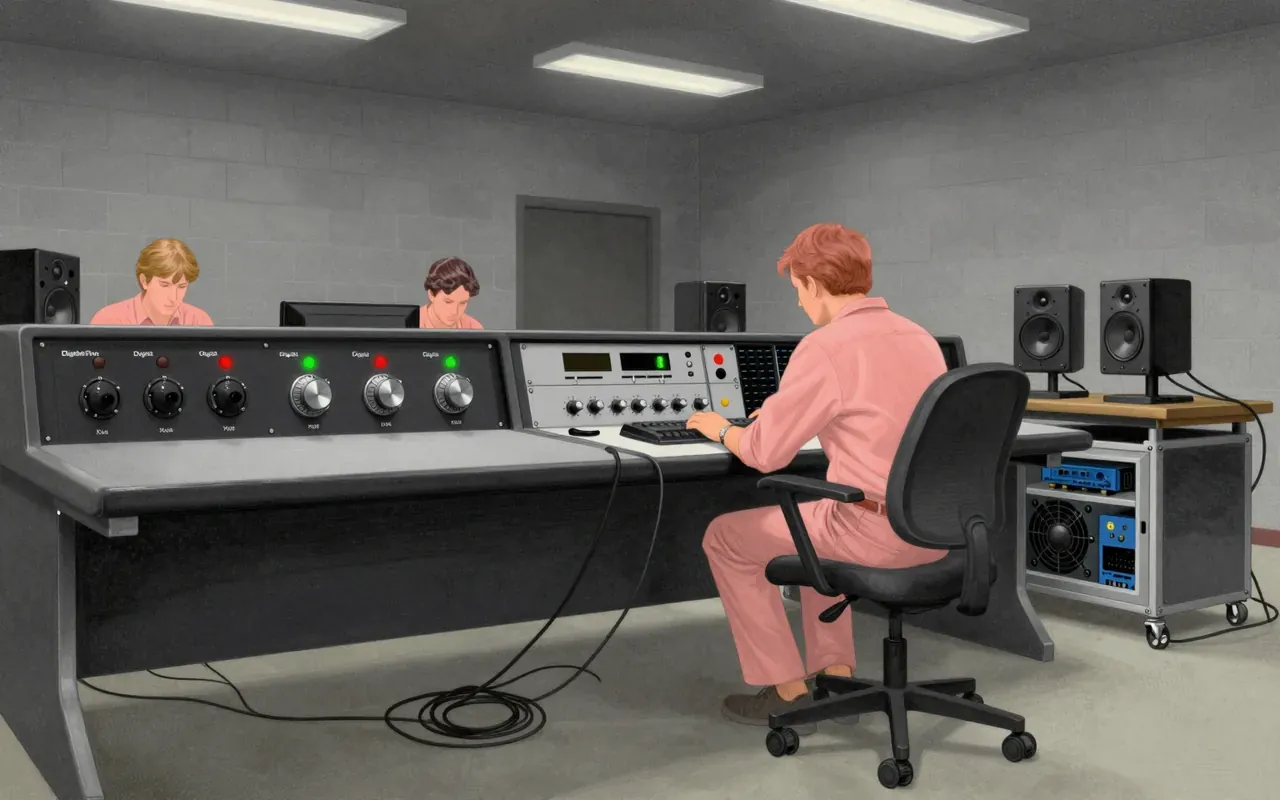
The Digi 001 isn’t vintage charm — it’s a dead-end PCI card that only works where nothing else fits.
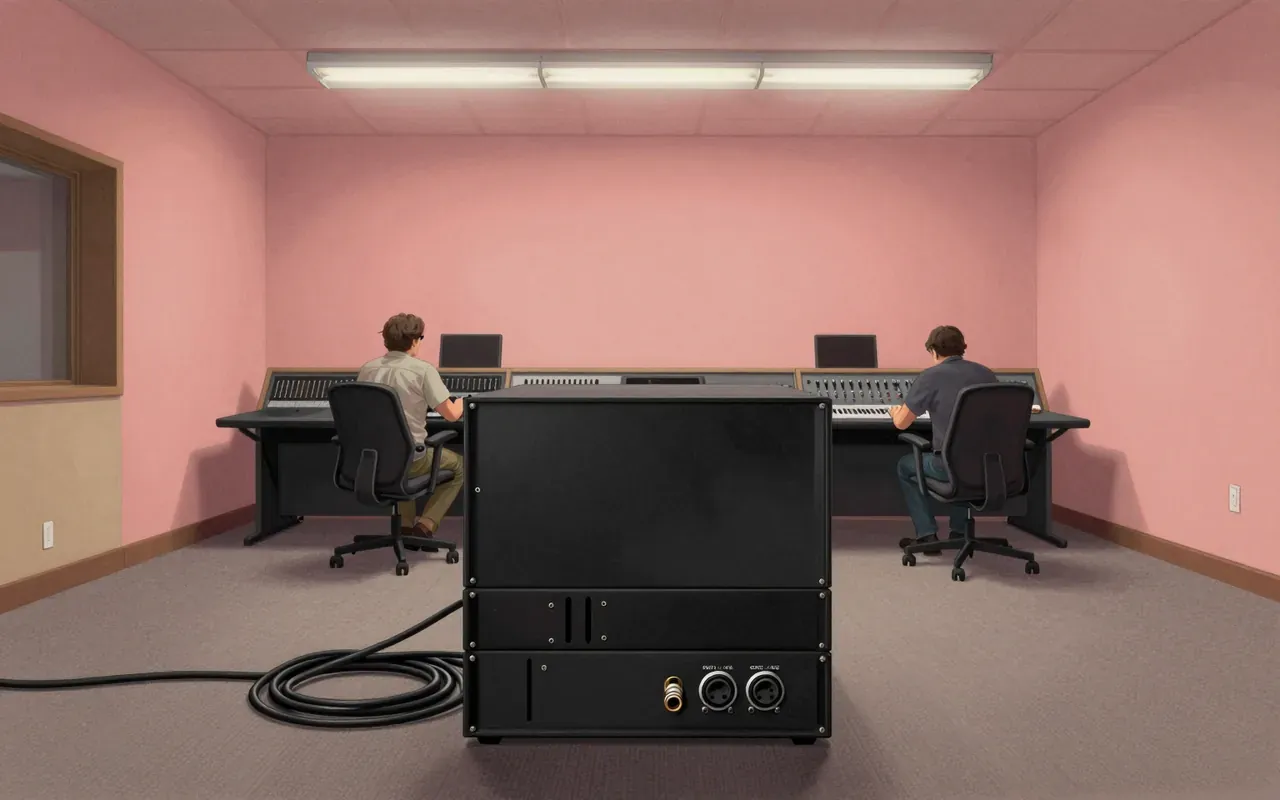
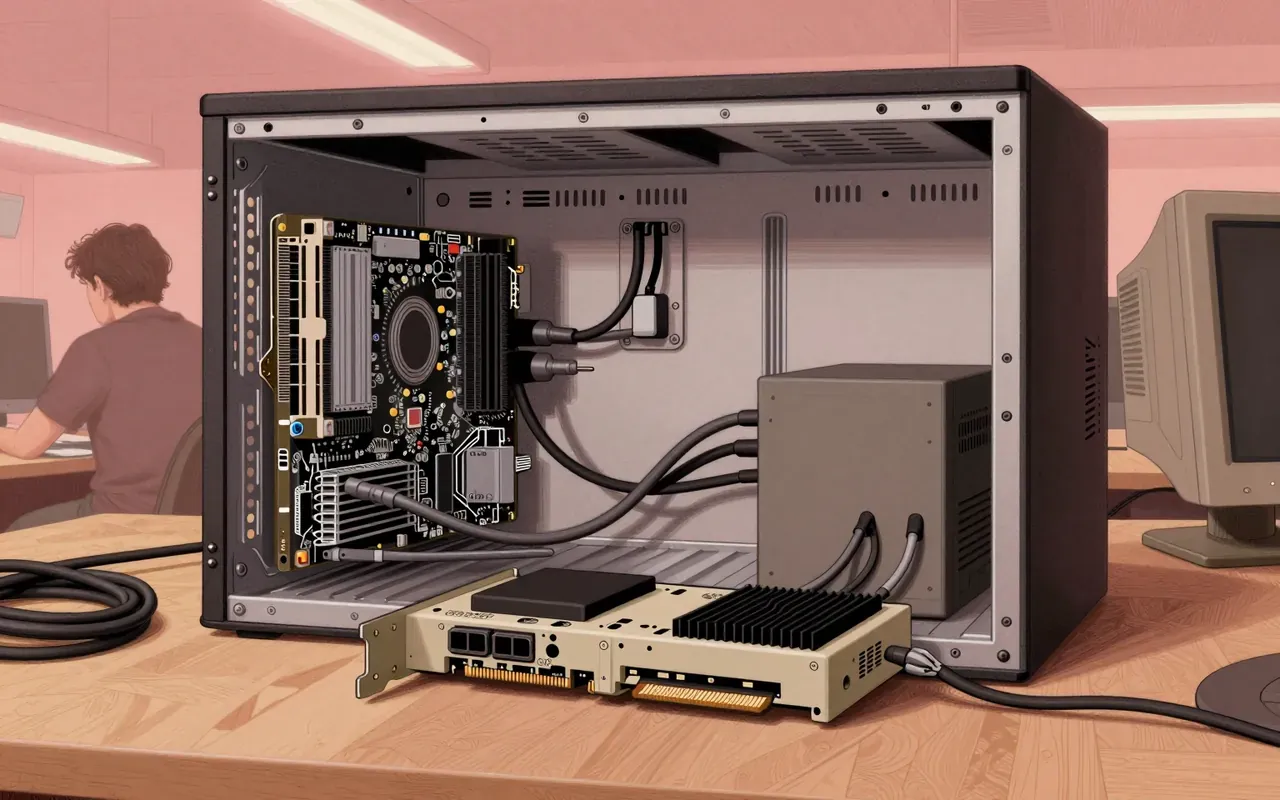
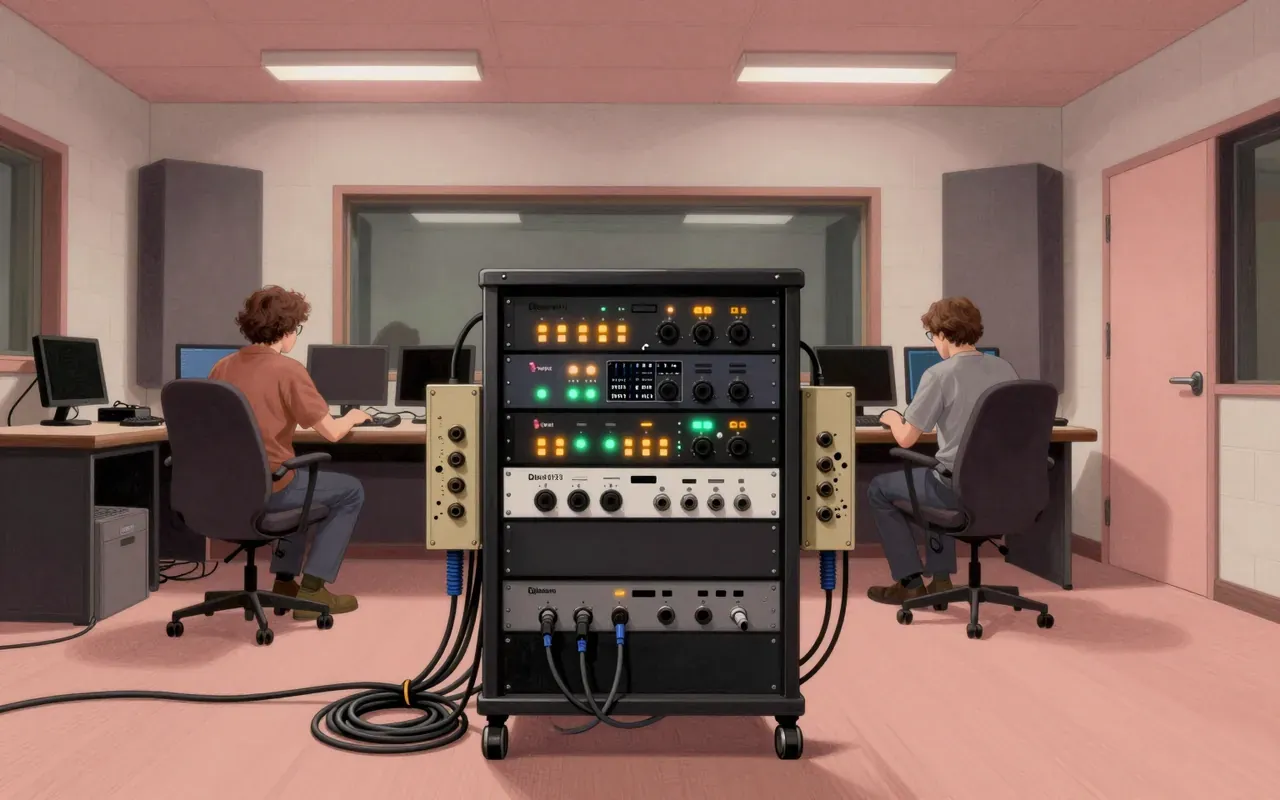
The Digidesign Digi 001 is the original Pro Tools audio interface. It is a rack-mountable PCI/ISA soundcard with two mic preamps, phantom power, gain knobs, -25 dB pads, front headphone output, MIDI, eight outputs (including monitor outs), and six line inputs. It connects via D-Sub and serial port — not FireWire or USB — so it is incompatible with laptops and newer computers. It is obsolete outside legacy systems.
Its D-Sub and serial port make it physically impossible to use on modern systems.
5:19
Front and Back
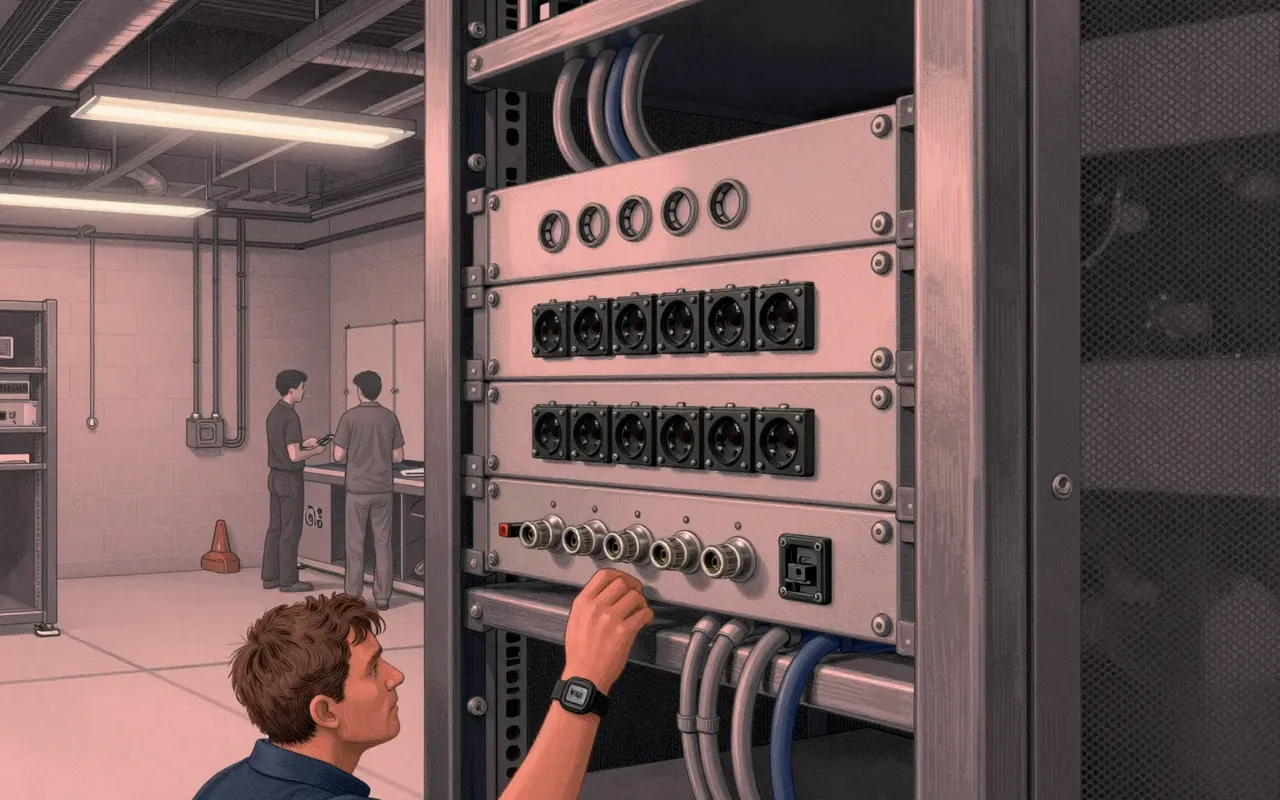
Two mic preamps, eight outputs, six line inputs, MIDI, and a front headphone jack define its I/O layout.
6:41
Great for Then
It was called great — but only for its time and context.
Worth your time?
No. The brief is enough.
2.5/ 5
What works
audio/studio
audio/studio-and-recording
What does not
audio/dj-gear
audio/effects-and-pedals
audio/guitars-and-amps
audio/headphones-and-hi-fi
Use it if
audio/studio-and-recording
audio/daws-and-software
Skip it if
audio/synths-and-drum-machines
audio/microphones-and-preamps
The written brief1 min read
What it is and what it was built for
It is a rack-mountable PCI/ISA soundcard. It was built to be the original hardware bridge between Pro Tools and a computer.
How it works, in terms a player would use
It plugs into a PCI or ISA slot on a desktop computer. You connect mics to its two front XLR/¼” inputs. Each preamp has a gain knob and a -25 dB pad. Headphones plug into the front panel. MIDI cables go into rear ports. Eight outputs—including monitor outs—sit at the back, alongside six extra ¼” line inputs.
What it does better than anything else
It was the first audio interface built for Pro Tools. That gave it direct, low-latency integration with the software when no other interface could.
What it does badly
It cannot connect to laptops or newer computers. It lacks FireWire or USB. Its D-Sub and serial port connections are incompatible with current hardware standards.
What people made with it
People made professional recordings with it in the late 1990s and early 2000s — the first wave of digital audio workstation-based studios.
Who should use it, and who should not
Only users with compatible legacy hardware should use it. No one with a laptop, modern desktop, or macOS X or later should attempt it.
Is it worth your time
Only if you own a working Windows or Mac OS 9-era desktop with an available PCI or ISA slot. It does not run on laptops, modern PCs or any system without legacy expansion slots.