Two paths, one flaw: brilliant separation, broken Pro Tools sync.
The Prism Sound Dream ADA-8 is a dual-path AD/DA converter built for clean, separated signal routing at up to 96 kHz. It delivers stable internal clocking and user-friendly displays, but lacks built-in sample rate conversion and fails under external sync with Pro Tools HD interfaces. It belongs in studios where path independence matters more than interoperability.
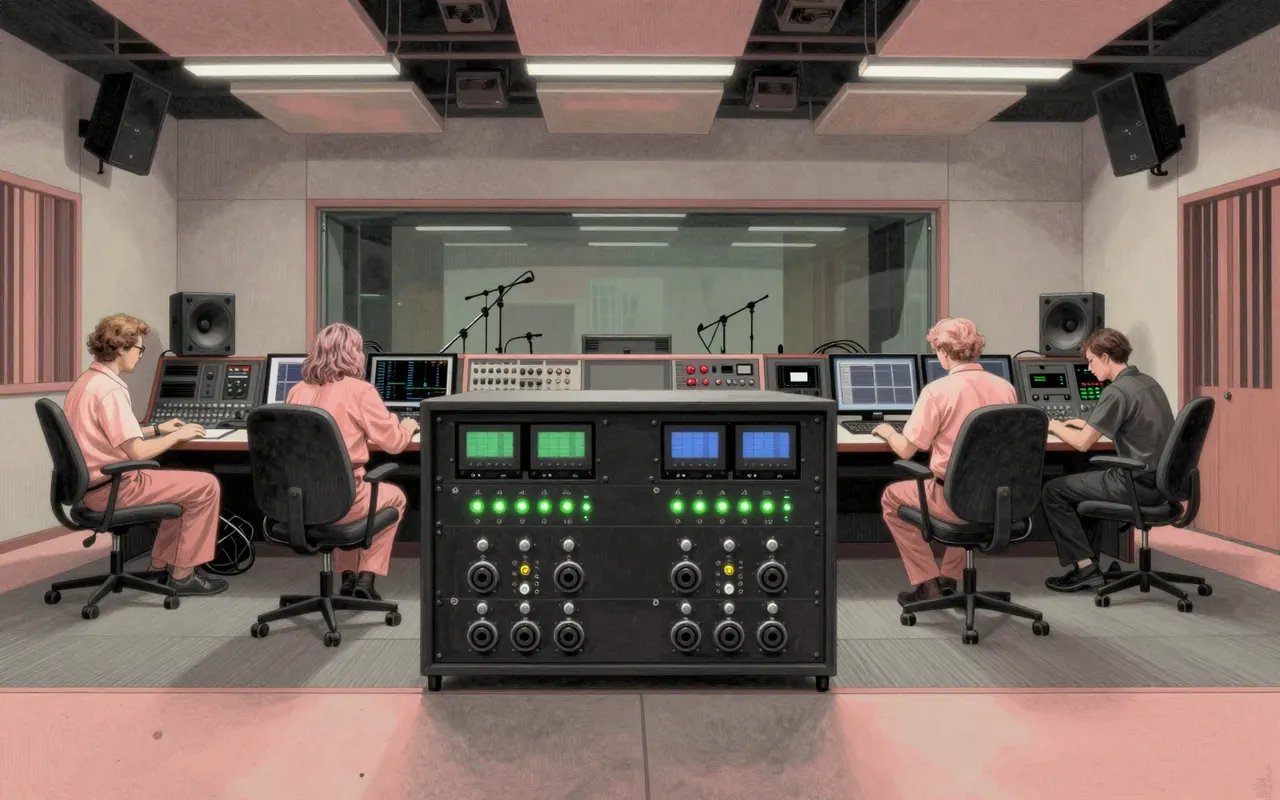
It runs two completely independent AD/DA paths — no shared clock, no shared processing.
1:59
96 kHz With Adjustable LEDs
It tops out at 96 kHz and gives you bright, detachable displays — no higher rates, no dimmable OLEDs.
3:16
No SRC Without Extra Hardware
Sample rate conversion is missing unless you buy the optional processing module.
4:48
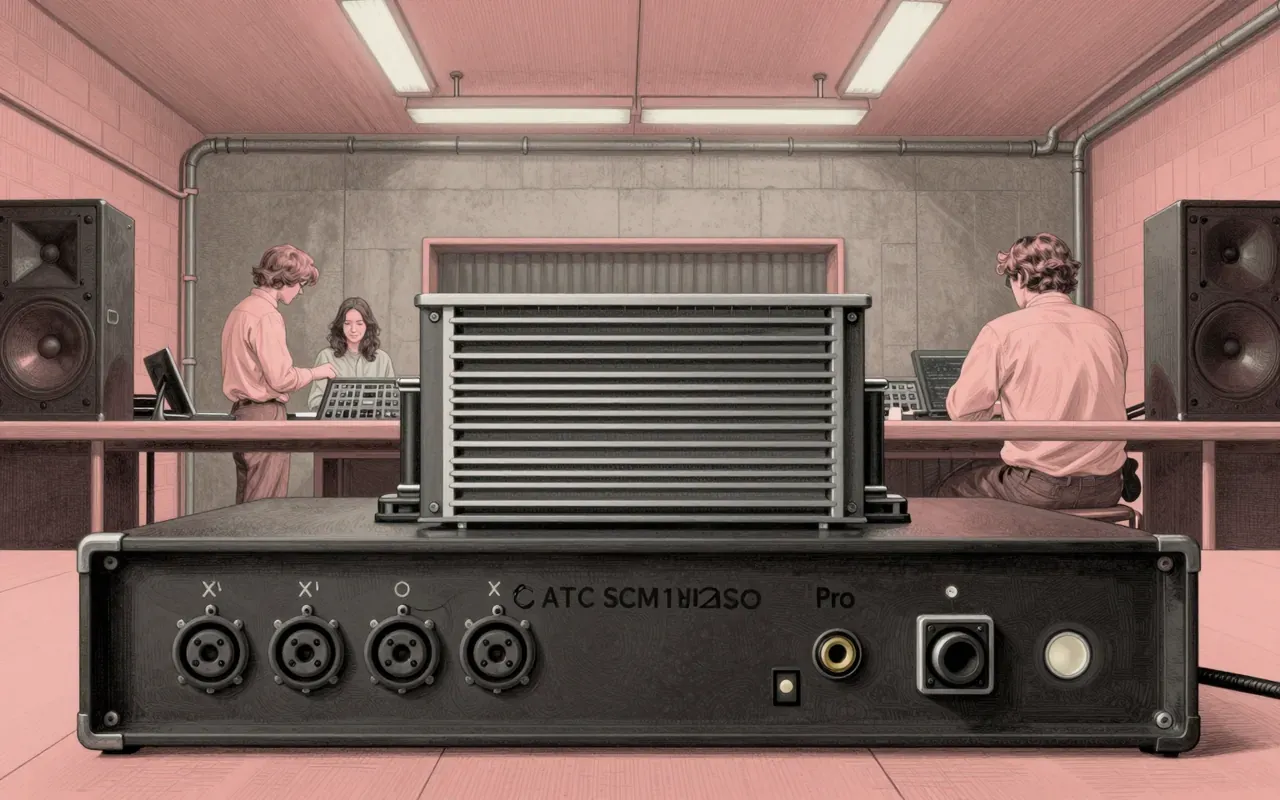
XLR and SubD25, Nothing Else
Analog I/O is balanced XLR. Digital I/O is SubD25 — tough, but not AES3 or ADAT.
5:50
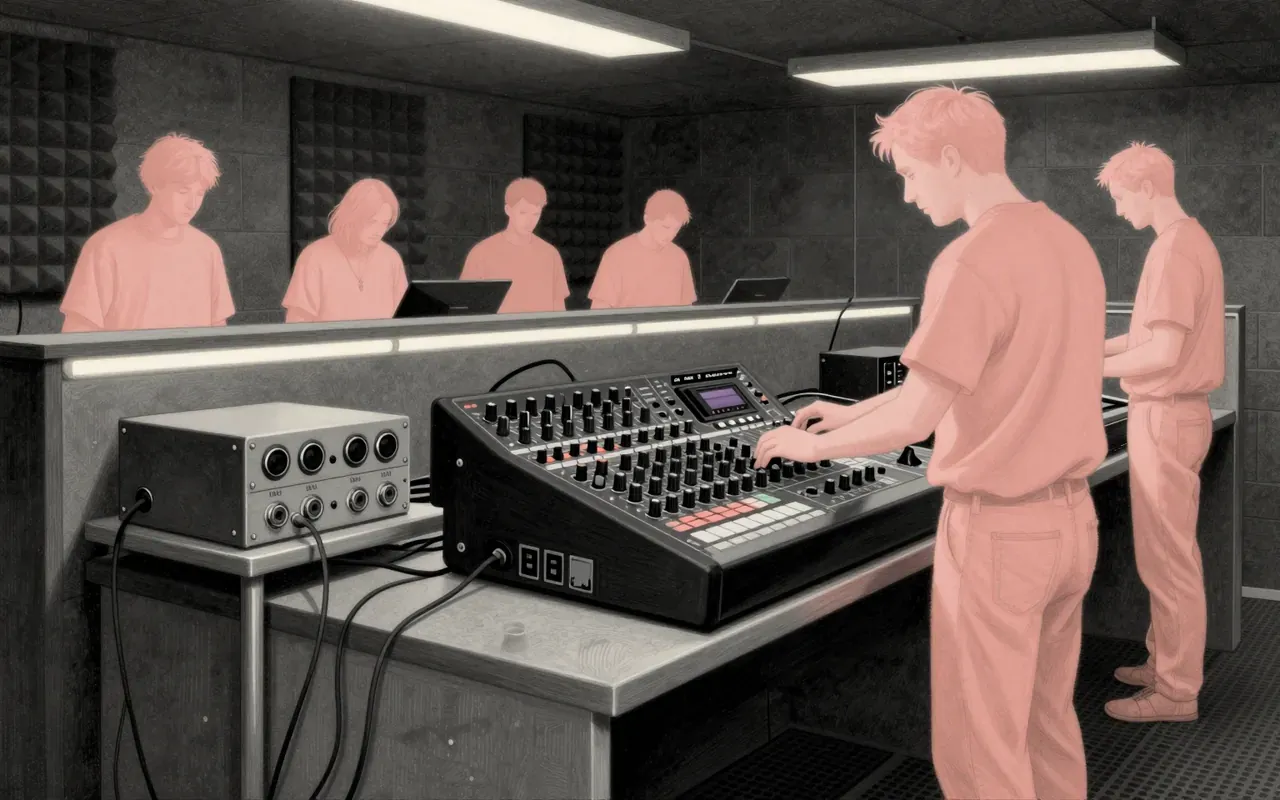
Great Clock, Bad Pro Tools Sync
Its internal clock is solid, but external sync collapses with Pro Tools HD.
Worth your time?
Yes. Use the whole thing.
3.5/ 5
What works
two separately configurable AD/DA paths
balanced XLR analog I/O
SubD25 digital I/O
adjustable-brightness LEDs and detachable displays
What does not
support sample rate conversion without an optional module
sync reliably with Pro Tools HD interfaces
Use it if
engineers who need two independent AD/DA paths at up to 96 kHz
studios with stable internal clocking requirements
Skip it if
Pro Tools HD users requiring tight external sync
anyone expecting plug-and-play SRC
The written brief1 min read
What it is and what it was built for
The Prism Sound Dream ADA-8 is a dual-path analog/digital and digital/analog converter built for high-fidelity studio conversion where path separation and clock stability matter more than flexible sync or SRC.
How it works, in terms a player would use
It runs two independent analog-to-digital and digital-to-analog signal paths, each configurable at different sampling rates up to 96 kHz. It uses balanced XLR analog I/O and a SubD25 port for digital I/O. Its displays are detachable and easy to read. Its LEDs have adjustable brightness.
What it does better than anything else
It offers two fully separate AD/DA paths that can run at different sampling rates simultaneously — a capability not matched by many converters of its era.
What it does badly
It does not support sample rate conversion without an optional processing module. External sync fails reliably with Pro Tools HD interfaces.
What people made with it
The sources do not state what people made with it.
Who should use it, and who should not
Studio engineers who need stable dual-path conversion at up to 96 kHz and already own compatible digital infrastructure should use it. Anyone relying on Pro Tools HD sync or needing sample rate conversion out of the box should not.
Is it worth your time
It is worth your time only if you need dual-path conversion at up to 96 kHz without sample rate conversion, and can tolerate imperfect external sync with Pro Tools HD interfaces.