What it is and what it was built for
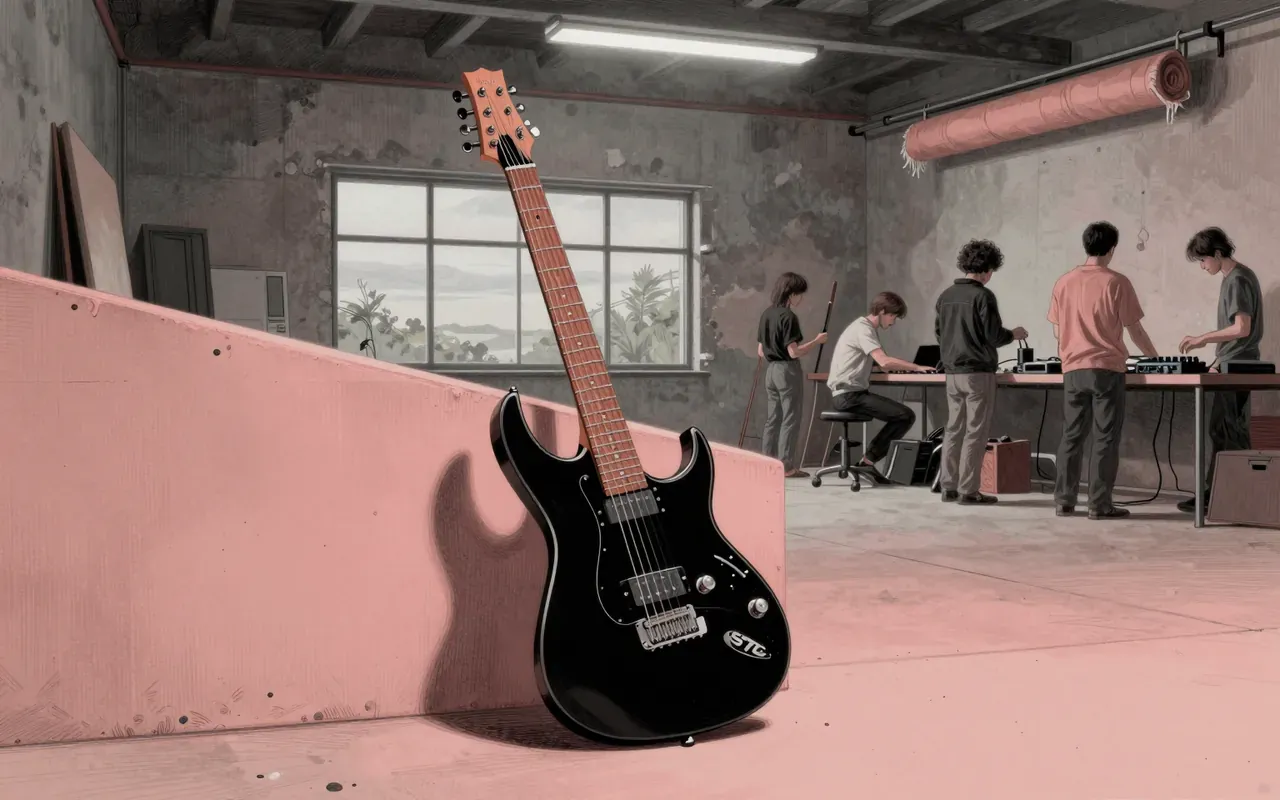
It is a solid-body electric guitar designed for Steve Vai’s playing style: fast legato, wide vibrato, harmonic squeals, and extended-range soloing. It was built in Japan between 1987 and 1996.
How it works, in terms a player would use
It has a basswood body, maple neck, and either a maple or rosewood fretboard. It uses an HSH pickup configuration with one volume, one tone, and a five-way switch. The tremolo is either an Edge or Lo Pro Edge. Some models have scalloped last few frets. The neck joint is all-access. Controls are passive and standard.
What it does better than anything else
It gives players immediate access to the highest frets and wide, stable tremolo dives — more than most contemporaries — thanks to the all-access neck joint and Edge system.
What it does badly
It does not support low-output or vintage-voiced pickups without rewiring. Its passive controls offer no coil-splitting or phase-reversal options. The Edge tremolo demands frequent setup to stay in tune under aggressive use.
What people made with it
Players used it to record and perform technically demanding rock and metal solos requiring extreme pitch control and upper-fret articulation.
Who should use it, and who should not
It suits advanced players who prioritise tremolo stability, upper-fret access, and HSH versatility. It does not suit beginners, players who avoid tremolos, or those needing tonal variety beyond passive HSH switching.
Is it worth your time
It is worth your time only if you need a made-in-Japan STC-shaped guitar built for high-gain lead work with wide vibrato and precise string bending — and you can source one in working order.