What it is and what it was built for
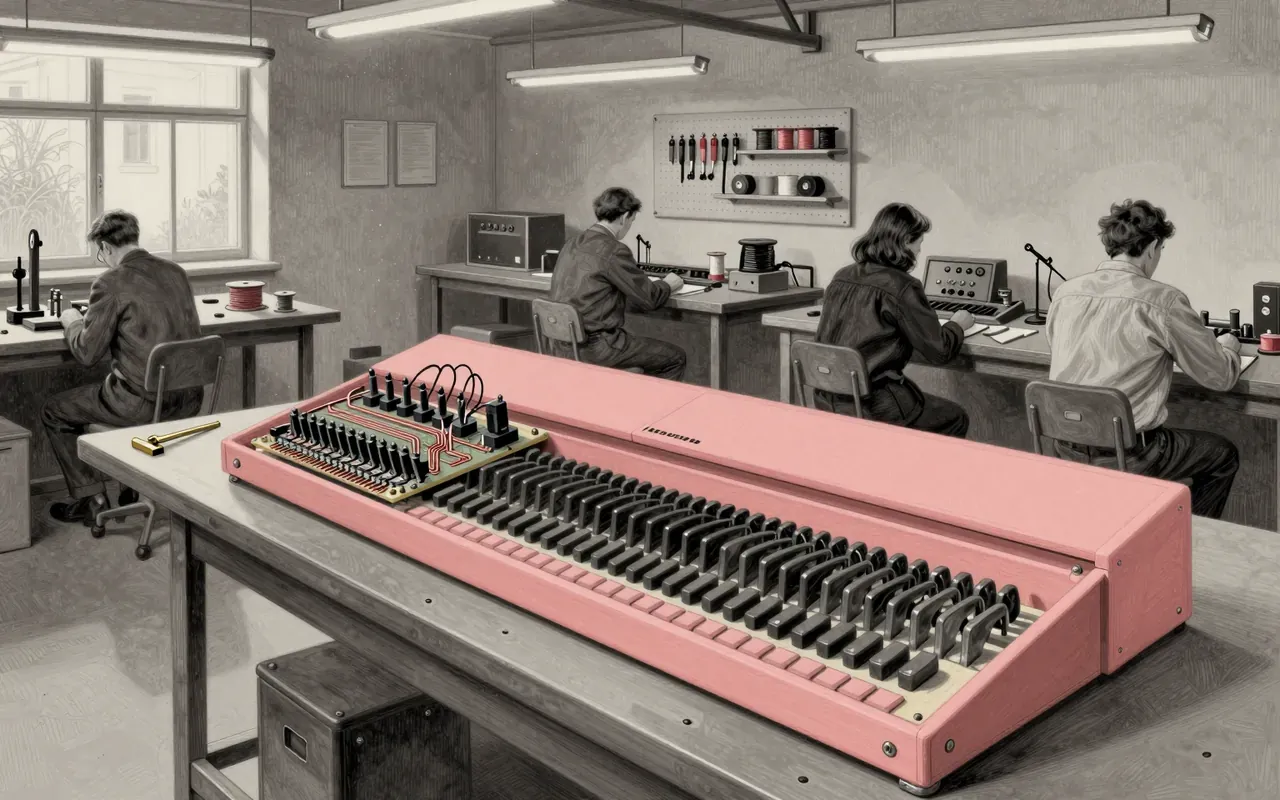
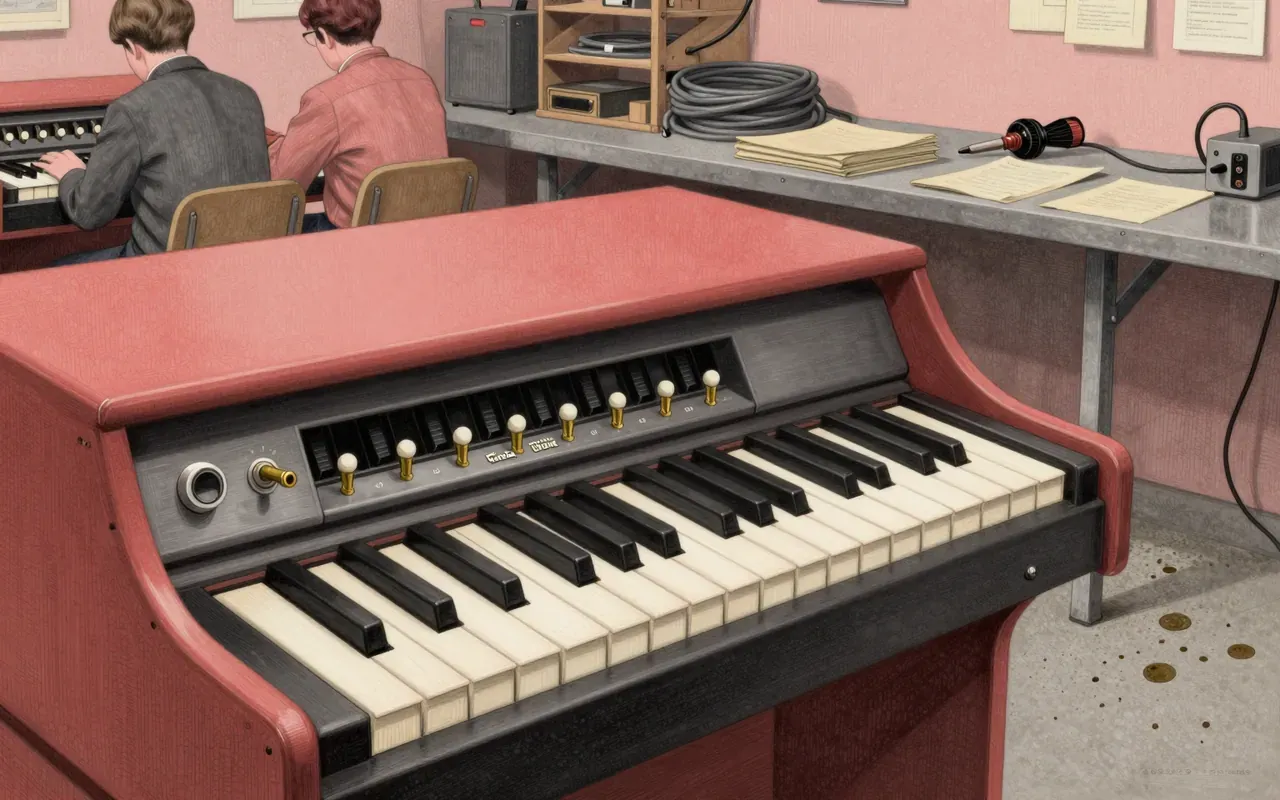
The Hohner Pianet is an electro-mechanical piano designed by Ernst Zacharias and built in Trossingen, West Germany. It was intended for home use, evolving from the Cembalet as part of Hohner’s range of innovative electromechanical keyboards.
How it works, in terms a player would use
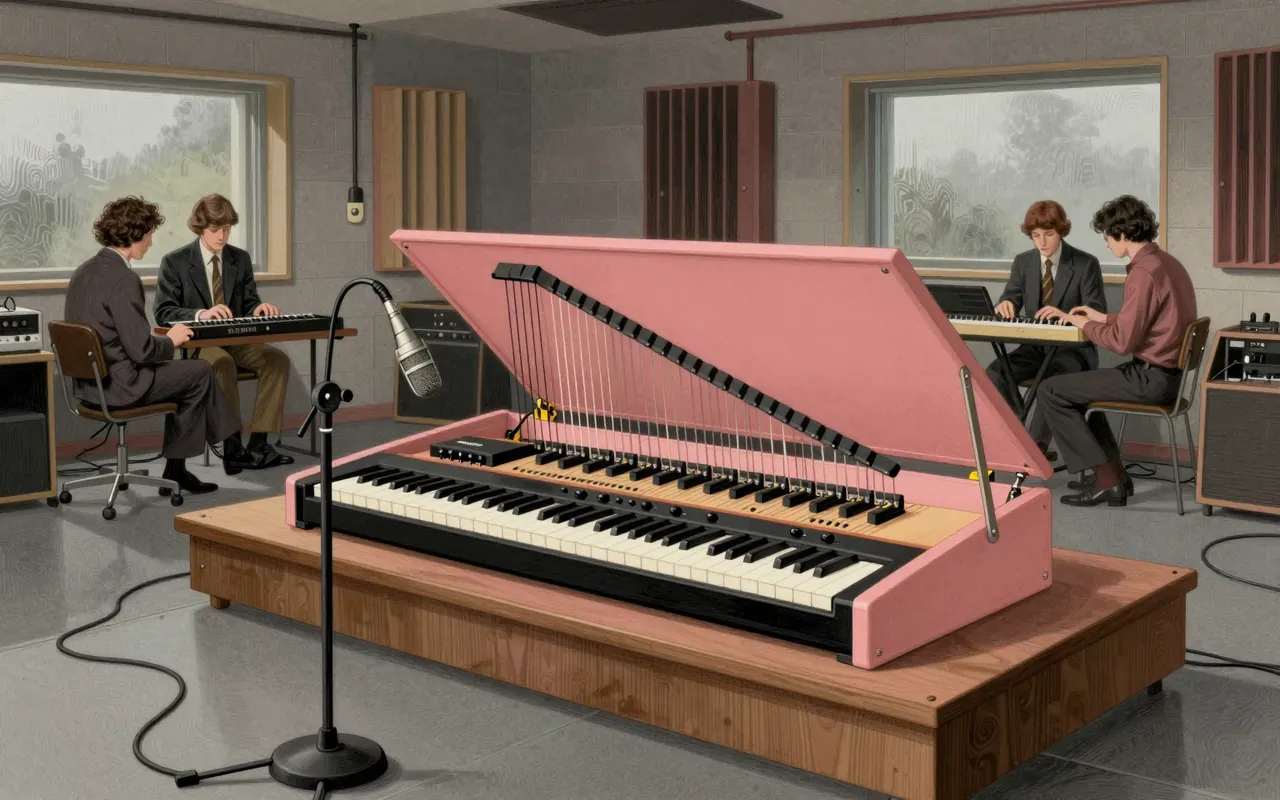
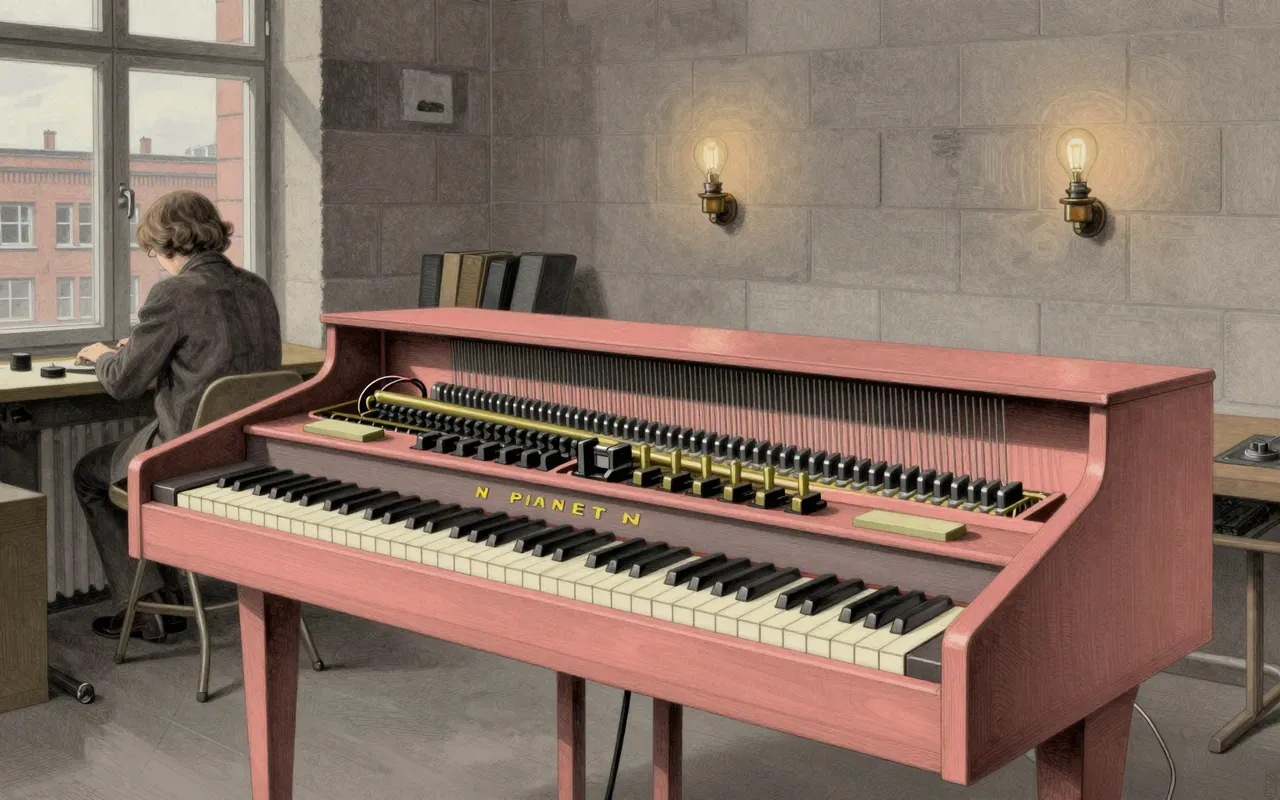
Each key is a lever pivoted on a fulcrum with a return spring. Pressing a key extends its rear to press a pad onto a tuned steel reed. The reed vibrates and is sensed by a pick-up — either variable capacitance (1962–1977) or electromagnetic (1977–1983). It requires external amplification to be heard.
What it does better than anything else
It delivers immediate, percussive attack with zero latency — the pad-to-reed action is direct and unfiltered. Its two mechanism generations give players two unmistakable textures: the first is drier, thinner, more brittle; the second is warmer, rounder, slightly slower to speak.
What it does badly
It cannot sustain notes. Its reeds stop vibrating as soon as the pad lifts. It offers no onboard volume or tone controls. The leather pads of early models wear out; silicone pads of later models degrade with heat and age. It has no built-in speaker or headphone output.
What people made with it
Musicians used it for its sharp, clattering tone in pop, soul, and early electronic recordings — not as a piano substitute but as a rhythmic, textural voice. Its sound appears in studio work where clarity, cut, and immediacy mattered more than warmth or decay.
Who should use it, and who should not
A player who values physical interaction over programmability. Someone restoring or performing with vintage gear. Not a gigging musician needing consistent output or quick setup. Not a producer relying on sample libraries or plug-ins for speed.
Is it worth your time
Yes — if you need a compact, tactile electro-mechanical piano with two distinct sonic eras built into its history. No — if you need reliability, dynamic range, or hands-on tone shaping beyond pad pressure and amp choice.