What it is and what it was built for
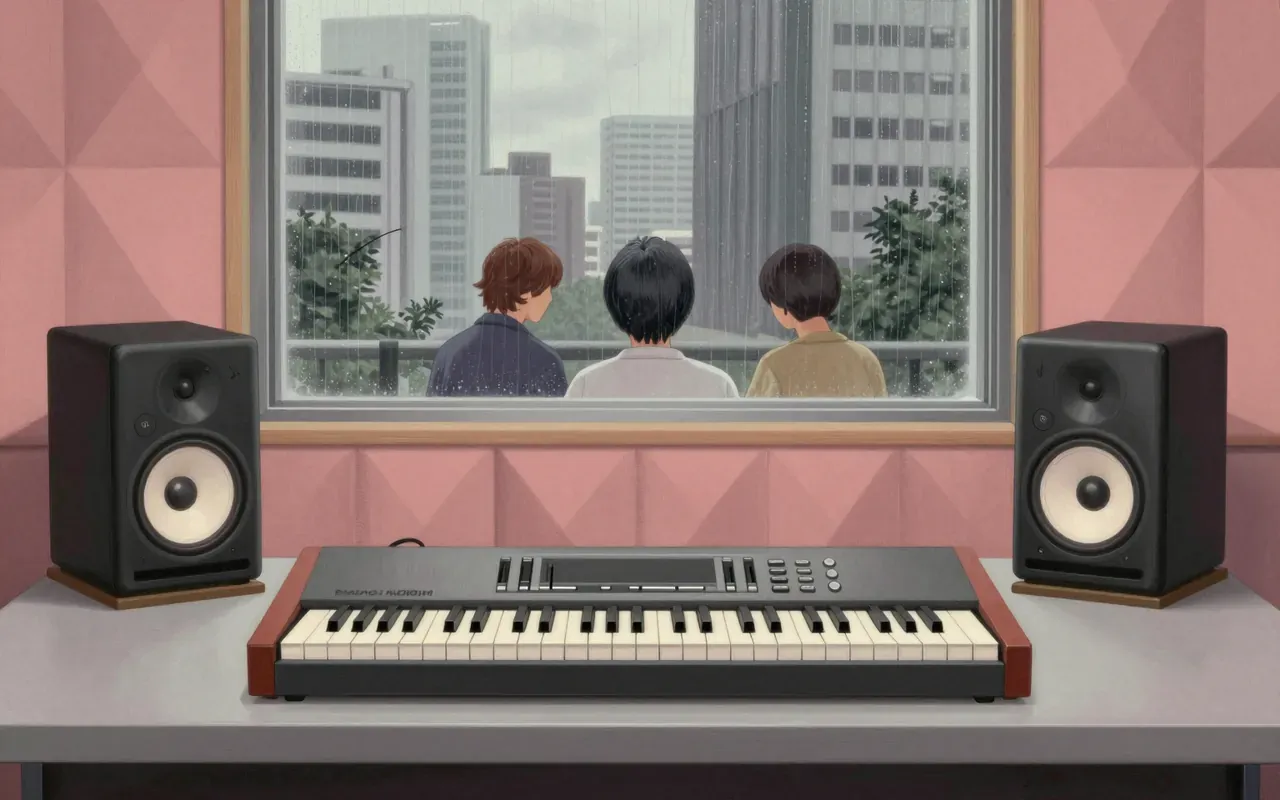
It is a keyboard-format music workstation built to replace racks, drum machines and tape-based production in commercial studios and touring rigs. It was built for speed, polish and portability — not for sound design experimentation or modular expansion.
How it works, in terms a player would use
It plays 16 notes at once. It triggers 16-bit PCM samples — attack transients, loops, sustained waveforms, percussive hits — from a 4MB ROM. It layers those with ADSR envelopes, separate LFOs for vibrato and filter modulation, and a joystick for real-time pitch and mod control. It routes sound through built-in reverb, delay, chorus, tremolo, EQ, distortion and Leslie simulation.
What it does better than anything else
It integrates sampling, synthesis parameters, effects and sequencing into one keyboard faster than any rival in 1988. Its preset library — pianos, strings, guitars, basses, drums — was curated for immediate use in pop, R&B and TV scoring. Its Leslie simulation and EQ were deployed as musical tools, not technical novelties.
What it does badly
It offers no sample editing. It has no user-accessible sample RAM. It gives no control over loop points, transient start positions or waveform shaping. Its sequencer is eight-track only and MIDI-only — no audio recording, no quantise depth options, no swing adjustment.
What people made with it
Producers used it to make chart-topping pop, R&B and film scores throughout the late 1980s and early 1990s. Its presets defined the sonic texture of mainstream music before samplers became affordable and DAWs widespread.
Who should use it, and who should not
A producer or performer who values immediacy, integrated effects and a cohesive factory sound set. Not a sound designer seeking granular control, a live performer needing more than 16-note polyphony, or a studio builder prioritising expandability or recall.
Is it worth your time
Yes — if you need a self-contained, tactile workstation that delivers polished, production-ready sounds without routing, patching or external effects. No — if you need deep synthesis control, more than 16 voices, or sample editing beyond what the M1 allows.