audiobriefs
10:00in productionCh. 1 · Recording-first, gig-ready/ 10:00 · ceiling 15 min
Microphones & preamps · Guitars & amps

Mesa/Boogie Rectifier Recording Preamp

It overdrives mixers — but not your expectations of DI tone.

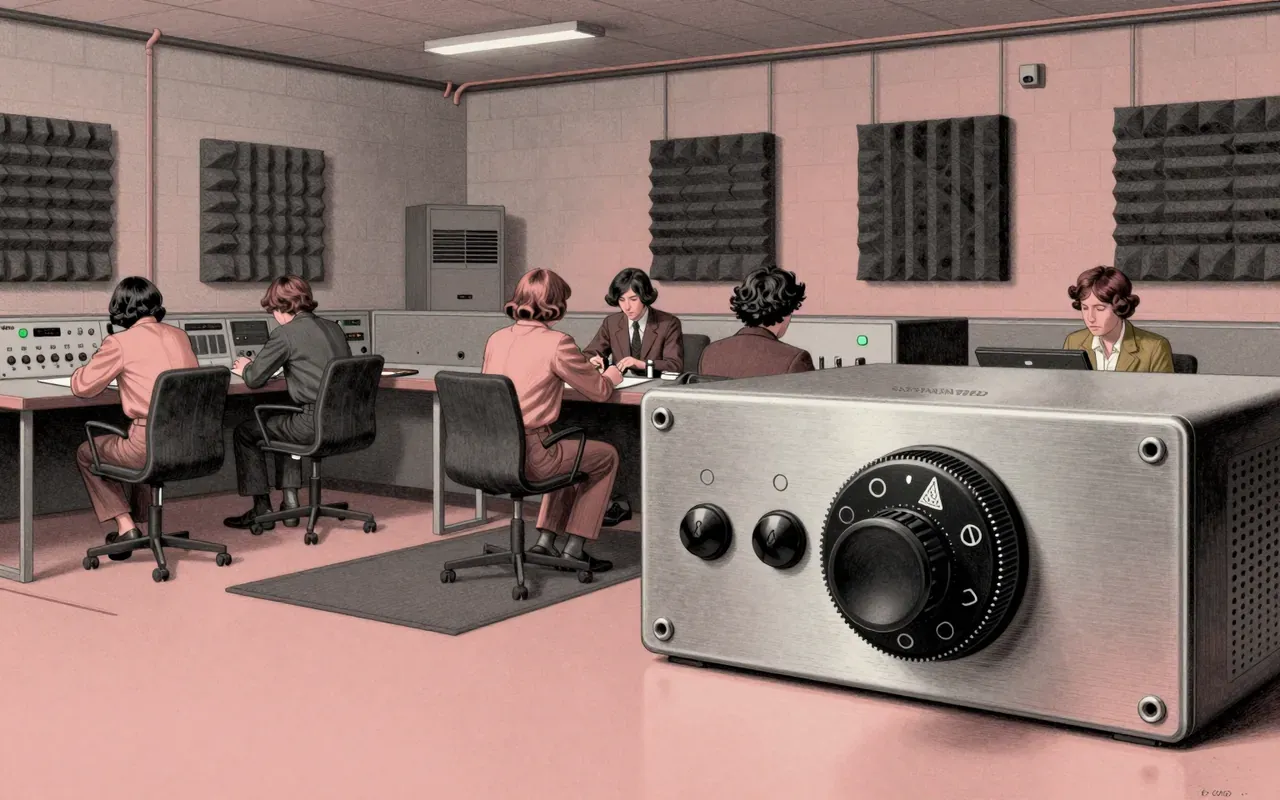
The Mesa Boogie Rectifier Recording Preamp is a 2U rack-mount tube preamp with two channels and six voicings. It prioritises high-output direct recording but includes I/O for live use. Its six 12AX7 tubes deliver raw gain capable of overdriving mixers. It lacks speaker emulation and falls short when compared to miked cabinet tone.

Chapters & takeaways4
  1. 1:04
    Recording-first, gig-ready

    It was built for recording first — but wired to play live too.

  2. 3:20
    Voicing by channel

    Six voicings across two channels — each with dedicated tonal controls.

  3. 5:02
    Tube power, not line-level finesse

    Six 12AX7 tubes deliver raw, high-level output — not line-level polish.

  4. 6:20
    Rack-native build

    It lives in a 2U rack — built strong, not sleek.

Worth your time?

Yes. Use the whole thing.

3.5/ 5
What works
  • high-output-recording
  • analog-rectifier-tone
  • live-gig-flexibility
What does not
  • digital-emulation
Use it if
  • recording-engineer
  • guitarist-with-power-amp
Skip it if
  • bedroom-producer-relying-on-DI
The written brief1 min read

What it is and what it was built for

It is a 2U rack-mount, tube-based guitar preamp. Mesa Boogie built it as an analog alternative to digital rectifier amp emulations.

How it works, in terms a player would use

It has two channels. Channel 1 offers clean, fat, and brit voicings. Channel 2 offers raw, vintage, and modern. A bright switch and -3dB pad sit on channel 1. A voice toggle on channel 2 switches between ‘live bright’ and ‘warm record’. Six 12AX7 tubes drive the signal. An effects loop is built in.

What it does better than anything else

It delivers higher output level than most tube preamps — enough to overdrive a mixer input. It models rectifier amp voicings more faithfully than digital emulations, using analog tube circuitry throughout.

What it does badly

The direct recording output falls short next to miked cabinet recordings. It gives no speaker simulation, no cab emulation, no line-level tailoring for DAW input impedance or frequency response.

What people made with it

Players used it for direct recording into mixers and interfaces. They paired it with external power amps and cabinets for live use.

Who should use it, and who should not

Use it if you want analog rectifier tones without a full amp, and you control your power stage and cabinet separately. Do not use it if you need plug-and-play cab emulation or rely on DI tone alone.

Is it worth your time

It is worth your time if you need a high-output tube preamp for direct recording or live use with external power amps and cabinets. It is not worth your time if you rely on miked cabinet tone or expect digital-style flexibility.
Same bench · Microphones & preamps4 of 55
8:52
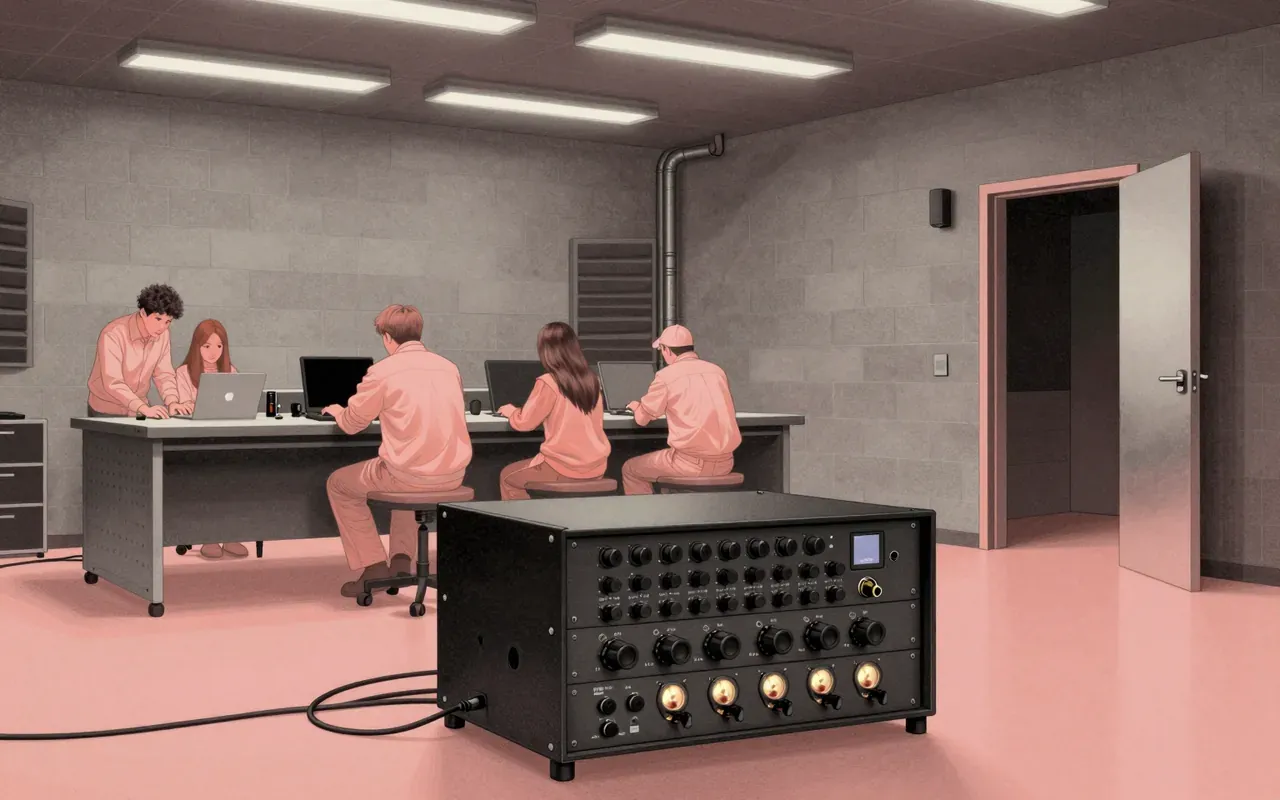
Focusrite ISA 110FocusriteThe Focusrite ISA 110 is a discontinued solid-state microphone preamplifier. It belongs to Focusrite’s ISA series. It was replaced by the ISA 430 MKII. It is no longer sold.
13:34
Neumann U 87Neumann · 1967The Neumann U 87 is a large-diaphragm condenser microphone introduced in 1967 as the solid-state successor to the U 67. It features a 25.4 mm diaphragm and three selectable polar patterns — cardioid, omnidirectional, and figure-8. It can be powered by 48V phantom power or two internal 22.5V batteries. The original used the K 87 capsule, a modified version of the K 67. The 1986 U 87A reverted to the standard K 67 capsule and eliminated the dual-battery requirement.
10:30
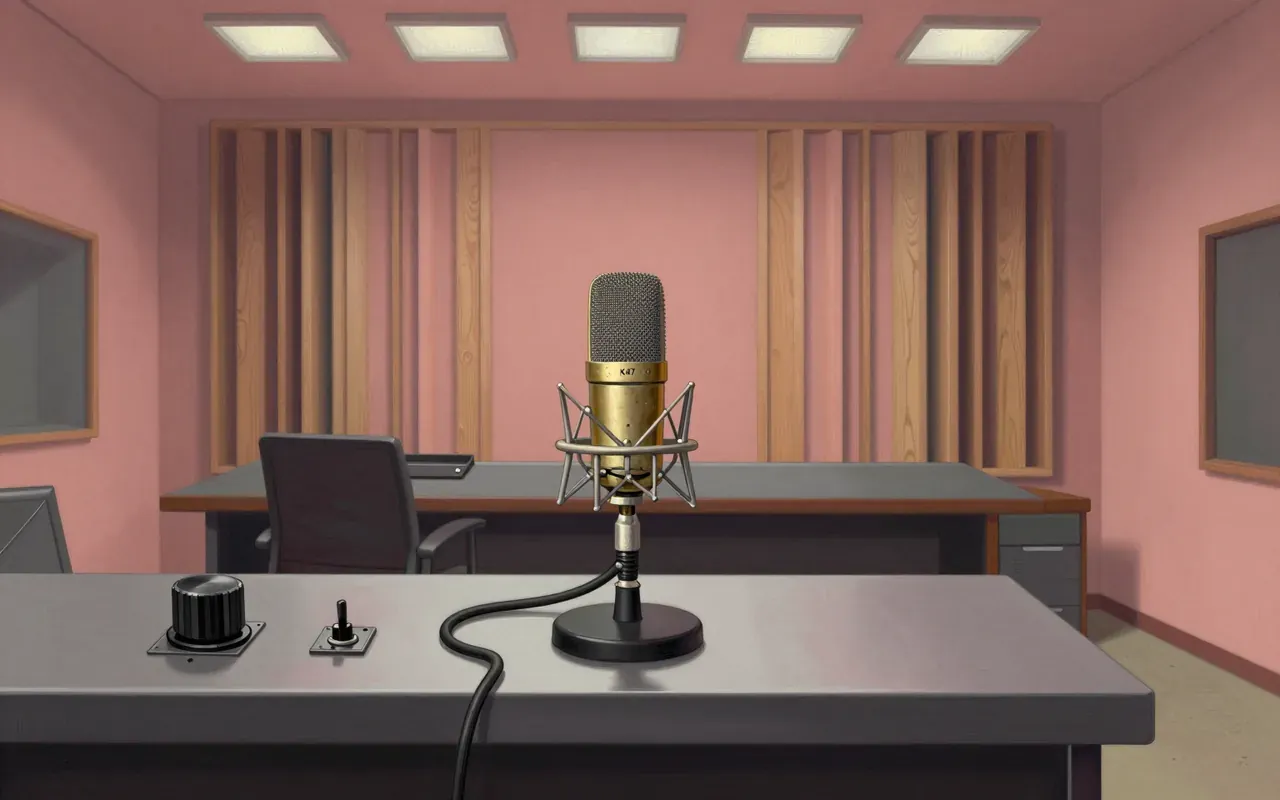
Neumann U 47Neumann · 2015The U 47 is a historically significant but operationally constrained microphone. Its innovation lies solely in being the first switchable-pattern condenser — a functional milestone, not a sonic benchmark. It demands specialist maintenance, offers no modern conveniences, and has no documented sonic signature beyond its era-specific implementation. It belongs in a museum or a dedicated vintage studio — not a general-purpose rig.
9:04
Neumann U 89NeumannThe Neumann U 89 is a 1980 large-diaphragm condenser microphone built for versatility: five polar patterns via rotary switch, two fixed low-cut filters (80 Hz and 160 Hz), an attenuator, 140 dB SPL handling, and a neutral, less vivid tonal character than the U 87. It excels at distance capture and fits where bulkier mics cannot. It does not offer colouration, warmth or extended sub-bass response. No recordings or users are named in the source material.
Up next in Audio

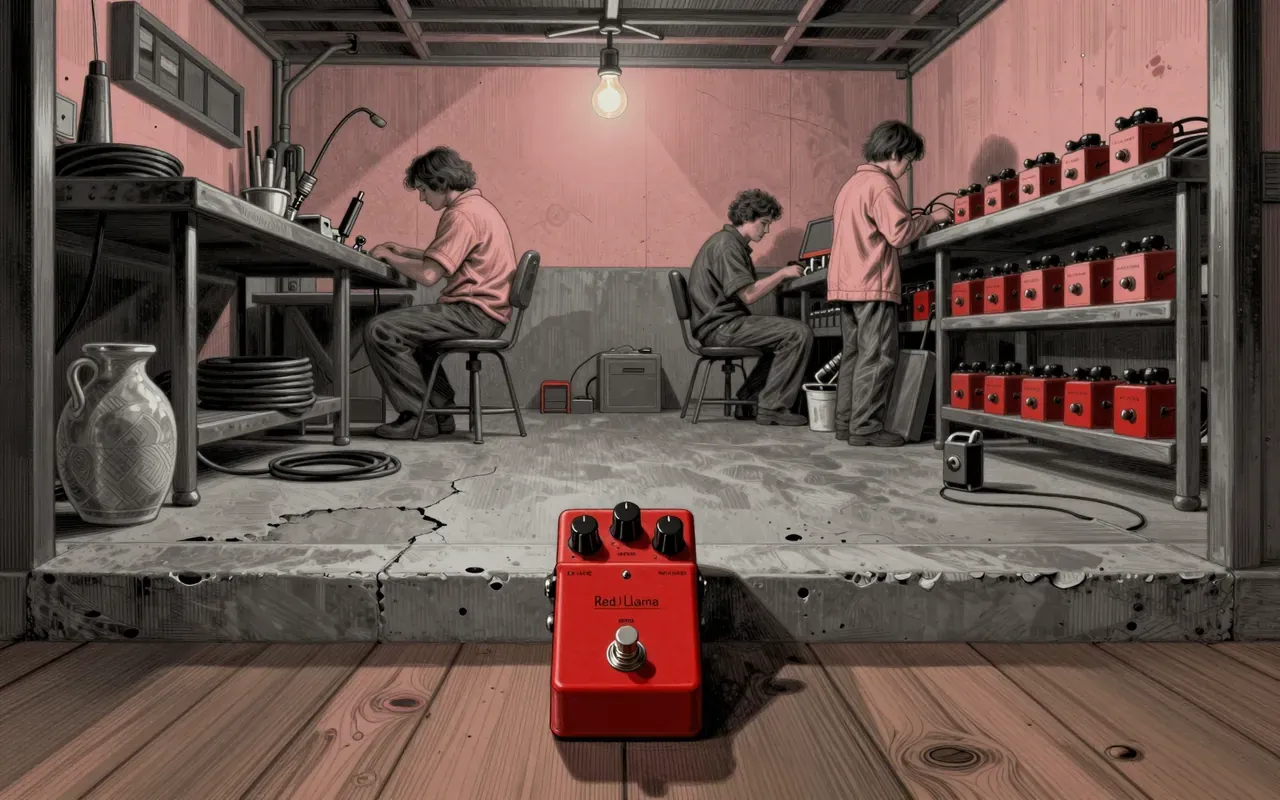
Way Huge Red Llama

Way Huge · 8:52

An overdrive pedal named Red Llama — not a metaphor, not a joke, just a $150 box that overdrives.

8:52