audiobriefs
8:50in productionCh. 1 · Solid-State Core/ 8:50 · ceiling 15 min
Mixing & mastering · Studio & recording

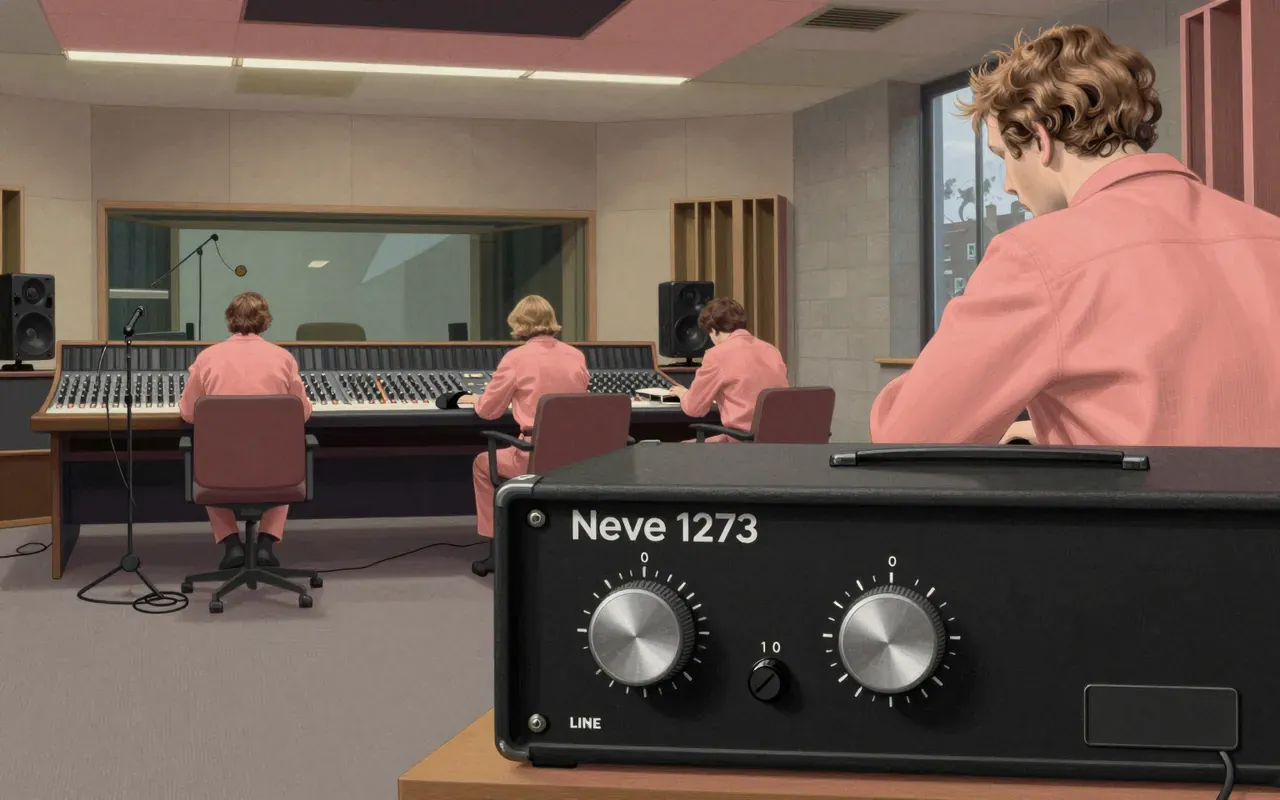
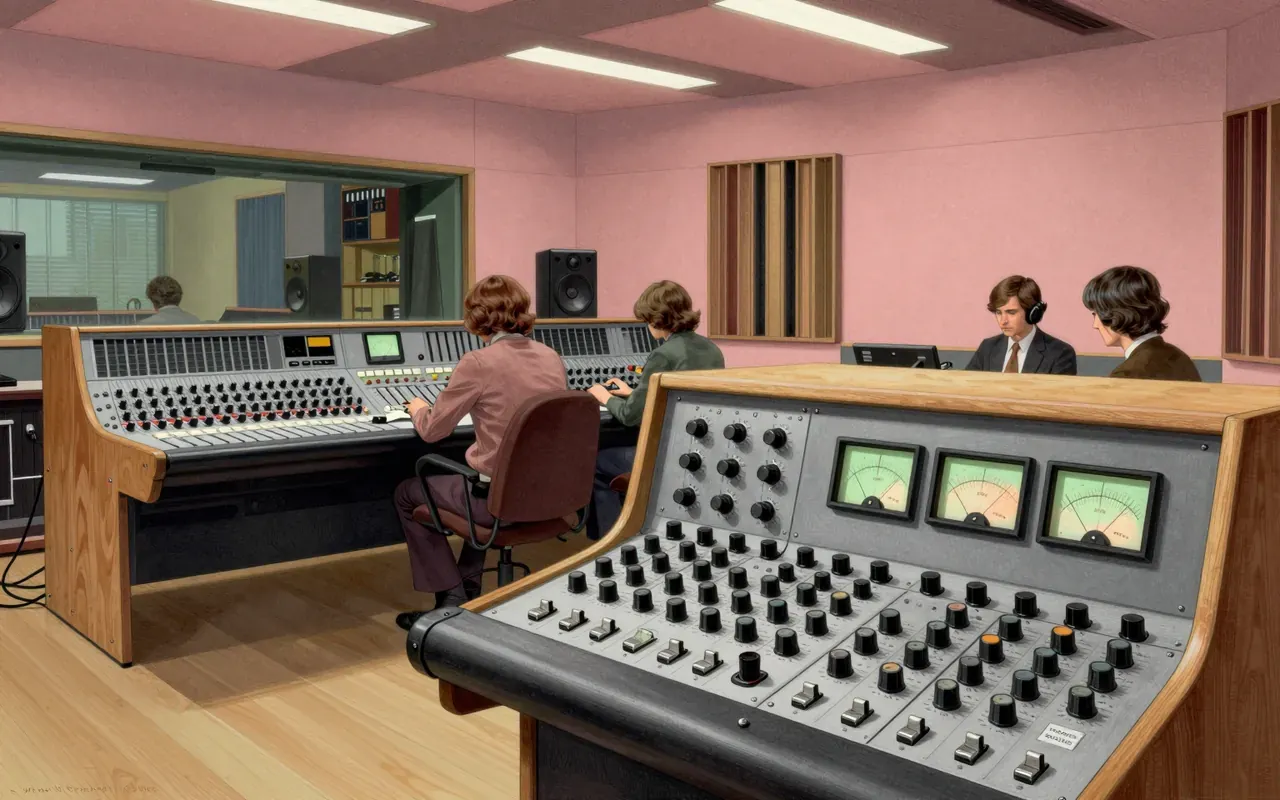
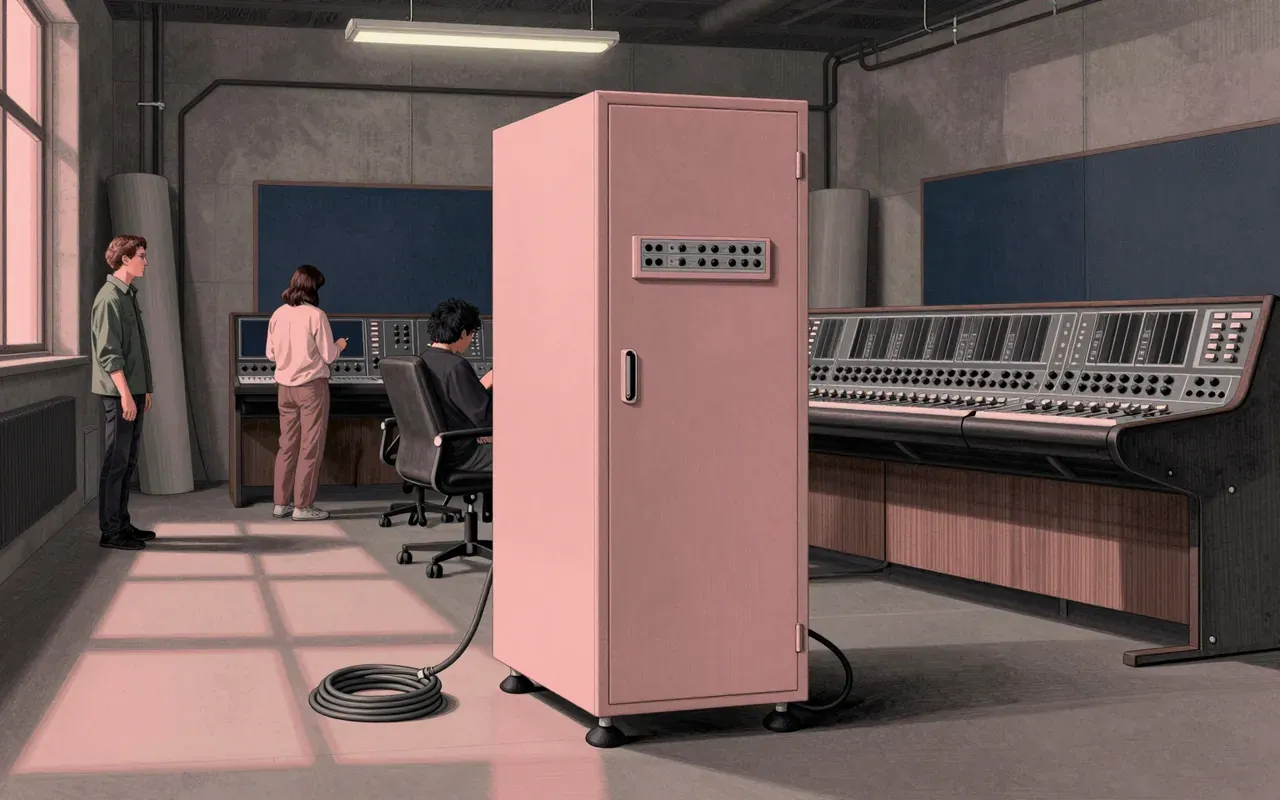
Neve 1272 Line Amp

It is not a preamp — it is a line amp. And that distinction changes everything.

The Neve 1272 is a solid-state line amplifier. It does not accept microphone signals. It adds clean, transformer-coupled gain to line-level sources. It offers no input flexibility, no EQ, no saturation controls. Its value lies in its place in a fixed-path studio chain — not in versatility.

Chapters & takeaways4
  1. 1:00
    Solid-State Core

    It is solid-state — no tubes, no transformers in the signal path before the output stage.

  2. 2:43
    Not a Mic Preamp

    It belongs to a category defined by function: line-level amplification only.

  3. 4:25
    No Mic Inputs

    It offers no gain staging options for microphones — no input pad, no phantom power, no impedance switching.

  4. 5:42
    Clean Gain First

    Its design prioritises reliability and headroom over harmonic complexity or saturation.

Worth your time?

Yes. Use the whole thing.

3.5/ 5
What works
  • clean line-level amplification
  • consistent transformer-coupled output
What does not
  • accept microphone signals
  • provide phantom power
  • include input pads or impedance switching
  • offer tone-shaping controls
Use it if
  • engineers with existing mic preamps
  • users needing transformer-coupled line gain
Skip it if
  • anyone needing mic preamp functionality
  • producers seeking tonal variation or saturation
The written brief1 min read

What it is and what it was built for

The Neve 1272 is a solid-state line amplifier. It was built to amplify line-level signals in professional studio signal chains.

How it works, in terms a player would use

It is a line-level amplifier. It accepts line-level signals and boosts them. It does not accept microphone signals. It has no gain control for mic input, no phantom power, no input pad.

What it does better than anything else

It delivers consistent, high-headroom line-level gain with transformer-coupled output — a trait shared with other Neve line amps of the era.

What it does badly

It does not function as a microphone preamplifier. It cannot shape tone with variable input impedance, EQ, or saturation from tube or transformer overdrive at the input stage.

What people made with it

No specific recordings, artists, or works are named in the source material.

Who should use it, and who should not

Studio engineers who already have mic preamps and need additional line-level gain with transformer colouring should use it. Anyone needing mic preamp functionality should not.

Is it worth your time

It is worth your time only if you need clean, solid-state line amplification with Neve’s known transformer-coupled output stage — and nothing more.
Same bench · Mixing & mastering4 of 108
Up next in Audio

Marshall 1960A Cabinet

Marshall · 9:04

It leaks air, lacks warmth, and dominates metal stages—not because it sounds great, but because it’s cheap, loud, and easy to fix.

9:04