What it is and what it was built for
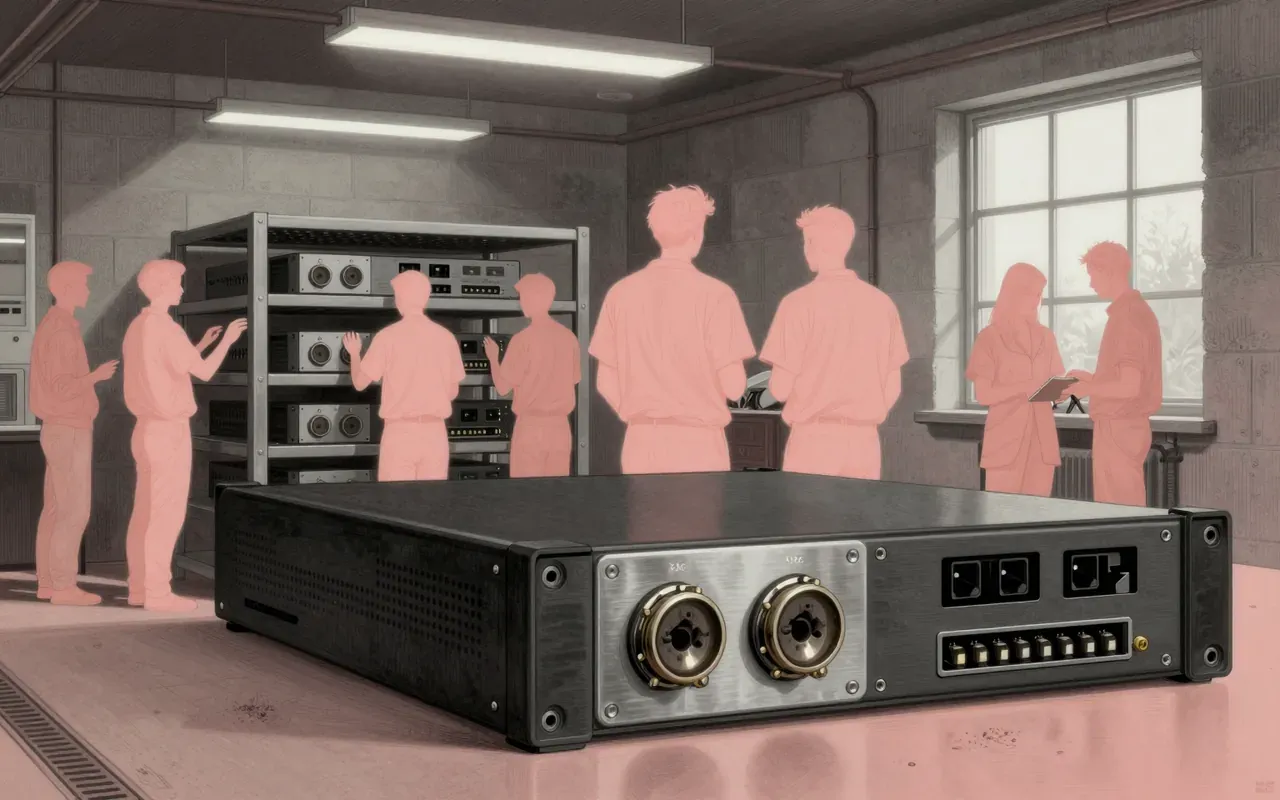
A 1U, 4-channel analog microphone preamplifier built for studio tracking where space, consistency, and API’s 2520-driven colour are priorities.
How it works, in terms a player would use
Each channel has a gain knob, polarity switch, phantom power switch, 20 dB pad switch, mic/line selection switch, and a VU meter. It accepts XLR inputs at the rear and unbalanced 1/4” inputs at the front. The 2520 op-amp and classic console circuit shape its response.
What it does better than anything else
It delivers four identical, high-headroom (+30 dBm clipping), low-noise preamps in 1U—more compact and sonically uniform than stacking individual 312s or using multi-channel alternatives.
What it does badly
It offers no input impedance switching. It lacks channel grouping, solo/mute, or output routing options. The front-panel 1/4” inputs are unbalanced and not isolated from the main signal path.
What people made with it
No specific recordings, artists, albums, studios, or sessions are named in the source material.
Who should use it, and who should not
Studio engineers who track bands live and need four clean, punchy, matched preamps in minimal rack space. Not for producers who rely on variable input impedance, DI integration, or software control.
Is it worth your time
Yes—if you need four high-headroom, consistent, analog preamps in 1U with minimal signal path and no digital layer. No—if you require variable impedance, transformerless transparency, or channel linking.