What it is and what it was built for
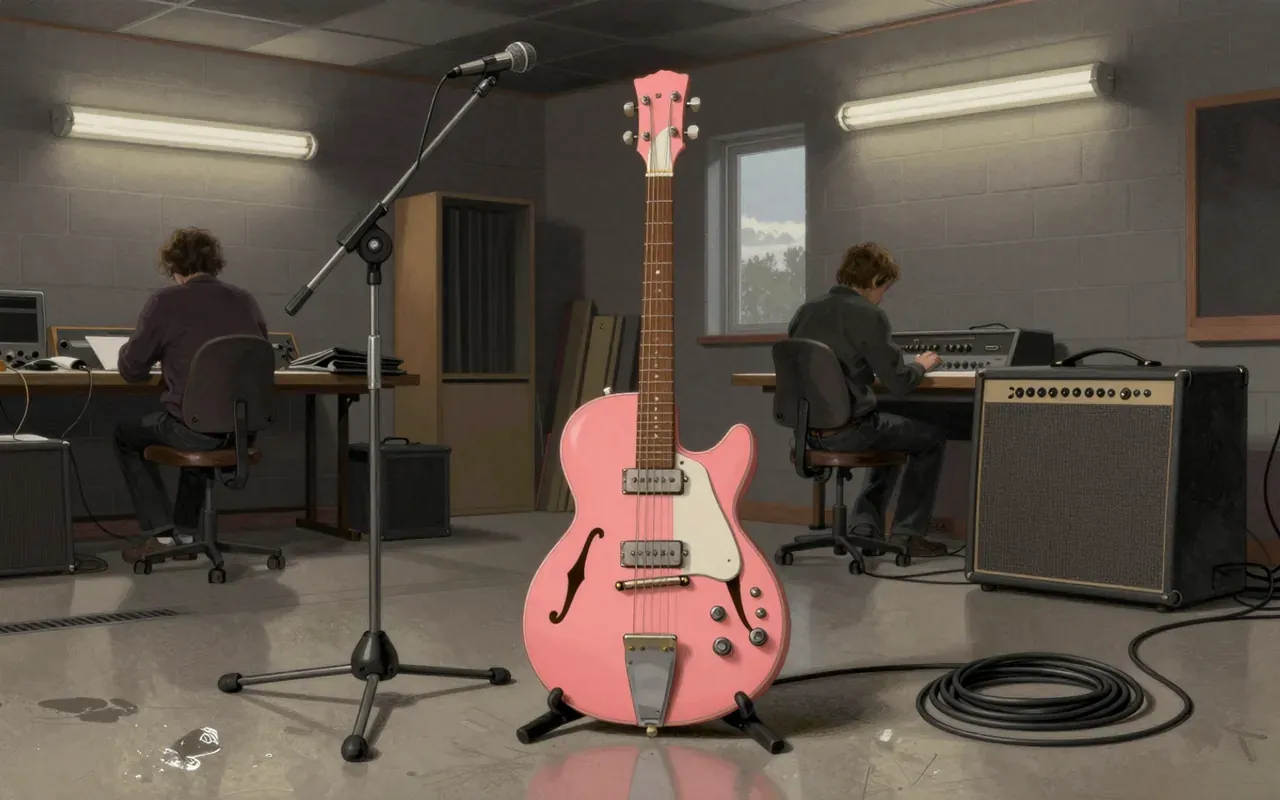
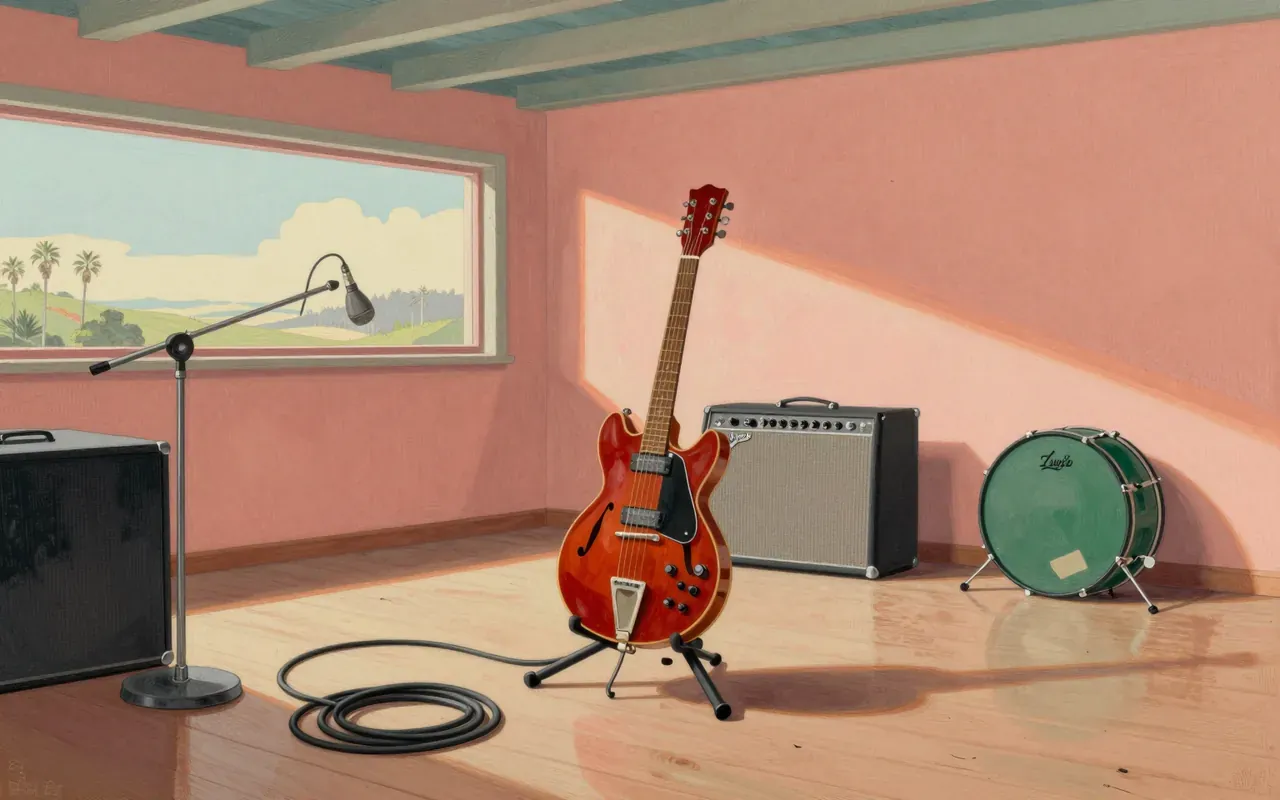
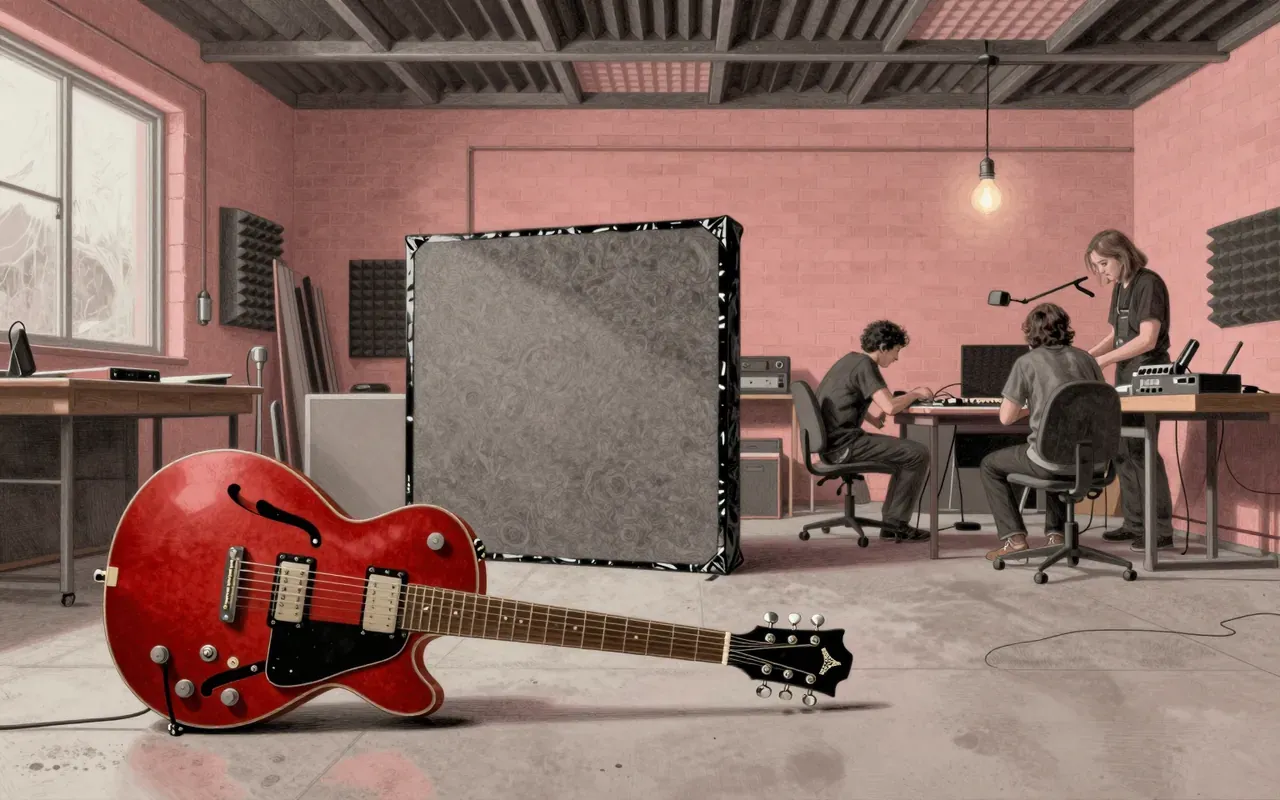
A semi-acoustic twelve-string electric guitar in the Capri series, introduced in 1958 and designed by Roger Rossmeisl. Built for clarity, projection, and rhythmic definition in ensemble playing.
How it works, in terms a player would use
It has a monaural output only — no Rick-O-Sound stereo. Two pickups feed into four control knobs, plus a fifth ‘blend’ knob added in 1961. It uses either toaster-top or Hi-Gain single-coil pickups, depending on era. The headstock mounts all twelve machine heads at right angles to fit on a standard-length headstock.
What it does better than anything else
Nothing else delivers that precise, cutting, bell-like chime at high gain with such immediate attack and tight decay. The right-angle headstock gives perfect string spacing and tuning stability for twelve-string work.
What it does badly
It lacks stereo output. Its semi-acoustic body feeds back easily at high volume. Its bright, narrow-frequency response muffles low-end detail and compresses expressive nuance. The neck is narrow and stiff, limiting bending and vibrato.
What people made with it
The Byrds and Beatles used toaster-top models for chiming, arpeggiated jangle. The Smiths, R.E.M., and Fugazi used Hi-Gain models for sharper, more aggressive rhythm textures.
Who should use it, and who should not
Players who prioritise articulation over sustain, need twelve-string precision without bulk, and work in jangly, post-punk, or power-pop contexts. Not for jazz players, fingerstyle soloists, or anyone needing tonal warmth or feedback resistance.
Is it worth your time
Yes — if you need jangle, cut, and a rigid, bright response that cuts through dense mixes. No — if you need warmth, dynamic range, stereo separation, or quiet operation.