Saved
Effects & pedals · Guitars & amps

Boss PN-2 Tremolo/Pan

A stereo panner masquerading as a tremolo pedal — brilliant in scope, brittle in execution.

Worth your time?3.5/5Yes.Use the whole thing.What works, what does not, who it is for ↓
9:54in productionCh. 1 · Stereo in a box/ 9:54 · ceiling 15 min
4 chapters · 9:54Ceiling 15:00

The brief is written and checked. The video joins this page when it is cut.4 chapters · 1 min read · 9:54 planned

Read the brief

The Boss PN-2 Tremolo/Pan is an analog stomp box released in May 1990 and discontinued in March 1995. It delivers tremolo and stereo panning via rate, depth, and a 4-way mode switch. It needs two amps for panning and runs on 9V DC. It was replaced by the mono TR-2.

Chapters & takeaways4
  1. 1:00
    Stereo in a box

    It is a non-rackable analog stomp box with full stereo I/O.

  2. 2:37
    Three knobs, four modes

    Rate, depth, and a 4-way switch let you toggle between tremolo and pan — but only with two amps.

  3. 4:24
    Five years, then gone

    It launched in May 1990 and vanished by March 1995 — replaced by the mono TR-2.

  4. 5:44
    Power: simple and unyielding

    It runs on 9V DC and draws 20 mA — standard, but no battery-saver circuit.

1 more chapterFewer chapters
Worth your time?

Yes. Use the whole thing.

3.5/ 5
What works
  • tremolo with sawtooth or square waveforms
  • true stereo panning across two amps
  • compact stomp-box form factor
What does not
  • offer expression control
  • support mono operation with panning
  • include tap tempo
  • allow waveform symmetry adjustment
Use it if
  • players with stereo guitar rigs
  • those committed to analog-only signal chains
Skip it if
  • players needing modern integration
  • users relying on battery power or expression pedals
Who should use it, and who should skipHide who it is for
The written brief1 min read

What it is and what it was built for

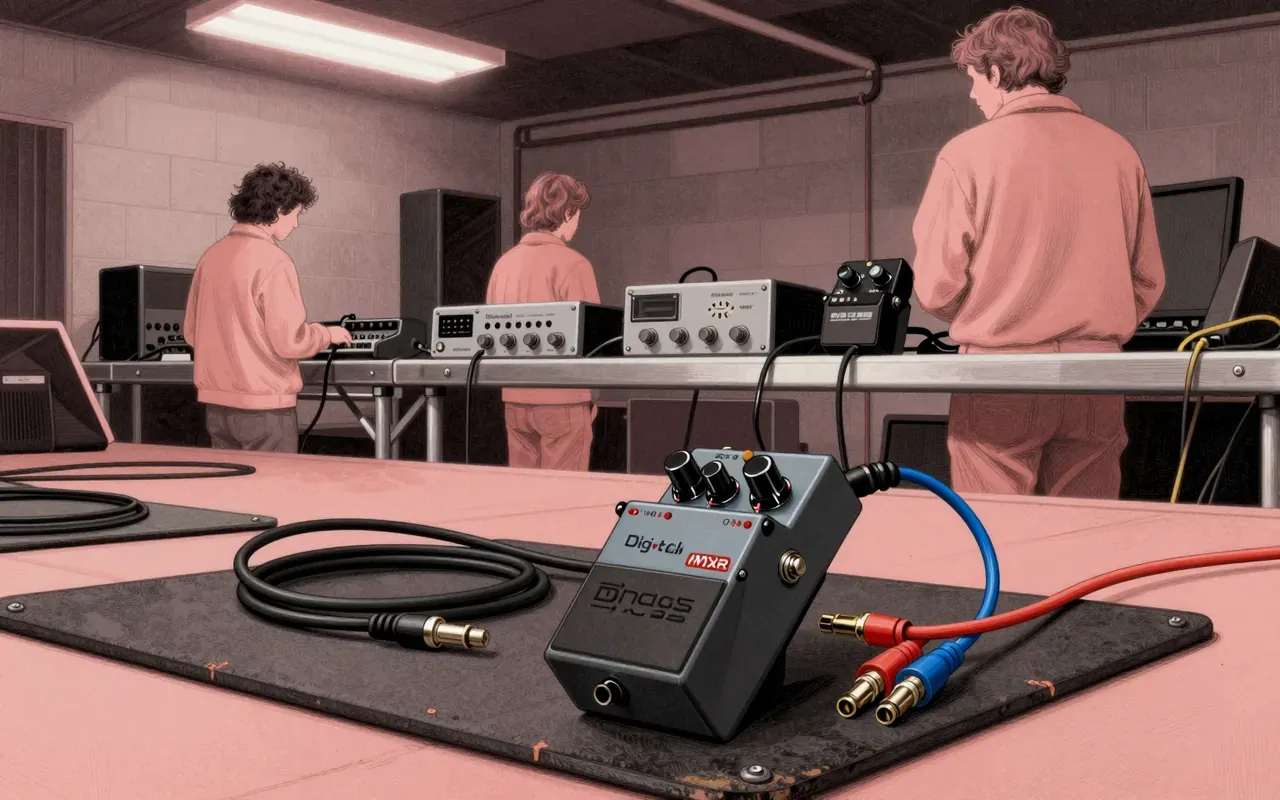
The Boss PN-2 is an analog stomp-box pedal built for electric guitar players who want tremolo or stereo panning from a single unit. It has stereo inputs and outputs and is not rackable.

How it works, in terms a player would use

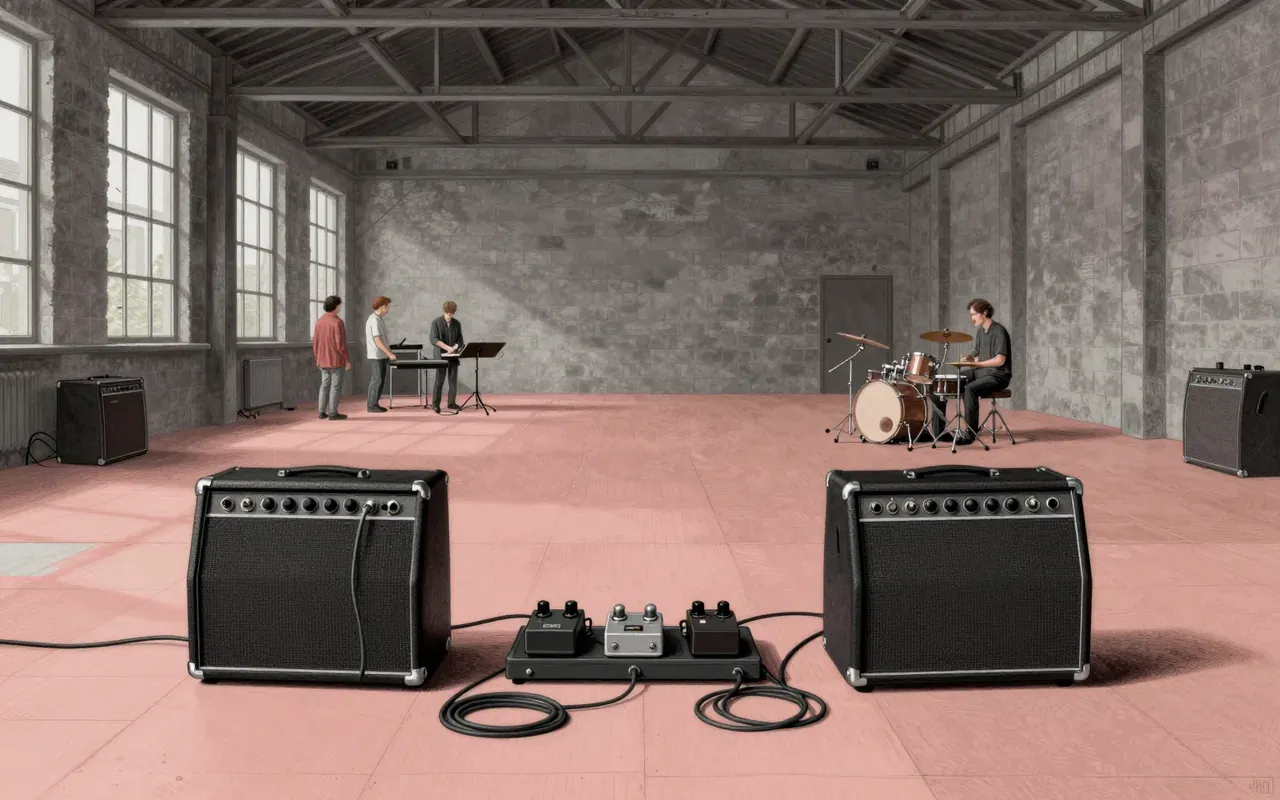
It has three controls: rate, depth, and a 4-way mode switch. The switch selects between tremolo and stereo pan, each with sawtooth or square waveforms. It runs on 9V DC, draws 20 mA, and requires two amps for panning.

What it does better than anything else

It combines analog tremolo and true stereo panning in one stomp box — a configuration no other Boss pedal offered before or after its run.

What it does badly

It does not work in mono without losing panning function. It offers no waveform symmetry control, no expression input, no tap tempo, and no external sync — locking players into fixed timing and depth.

What people made with it

Players used it to widen guitar parts across two amps, create rotating speaker effects, and add rhythmic volume modulation with selectable waveforms — especially in ambient, post-rock, and 90s alternative contexts.

Who should use it, and who should not

Use it if you run stereo guitar rigs and value analog-only signal paths. Do not use it if you rely on expression pedals, need mono compatibility, or require modern features like preset recall or MIDI.

Is it worth your time

It is worth your time only if you need analog stereo panning in a stomp box and can source a working unit. Its discontinuation in 1995 and replacement by the TR-2 limits parts support and serviceability.
Same bench · Effects & pedals4 of 121
Up next in Audio

Electro-Harmonix Polychorus

Electro-Harmonix · 8:18

A stereo analog stomp box with four modes, no memory, and a 24V hunger — built for players who choose width over convenience.

8:18