What it is and what it was built for
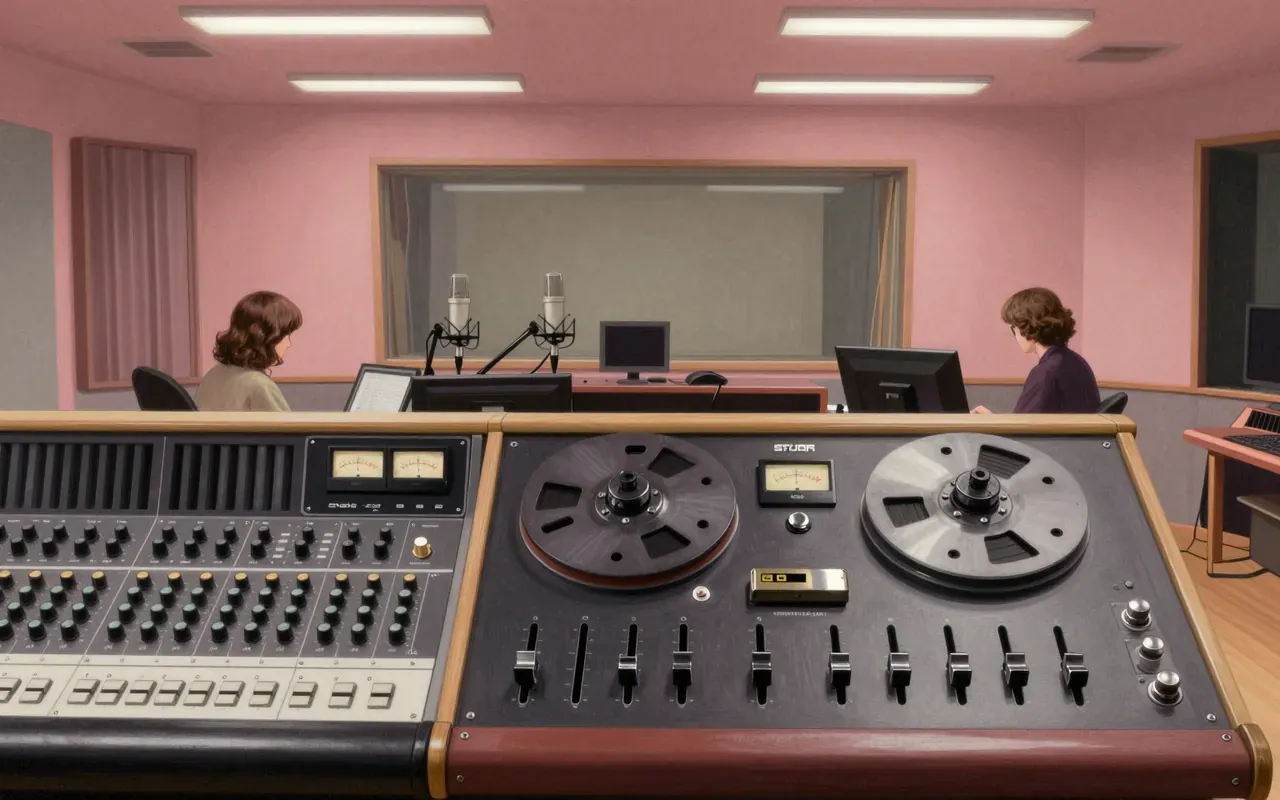
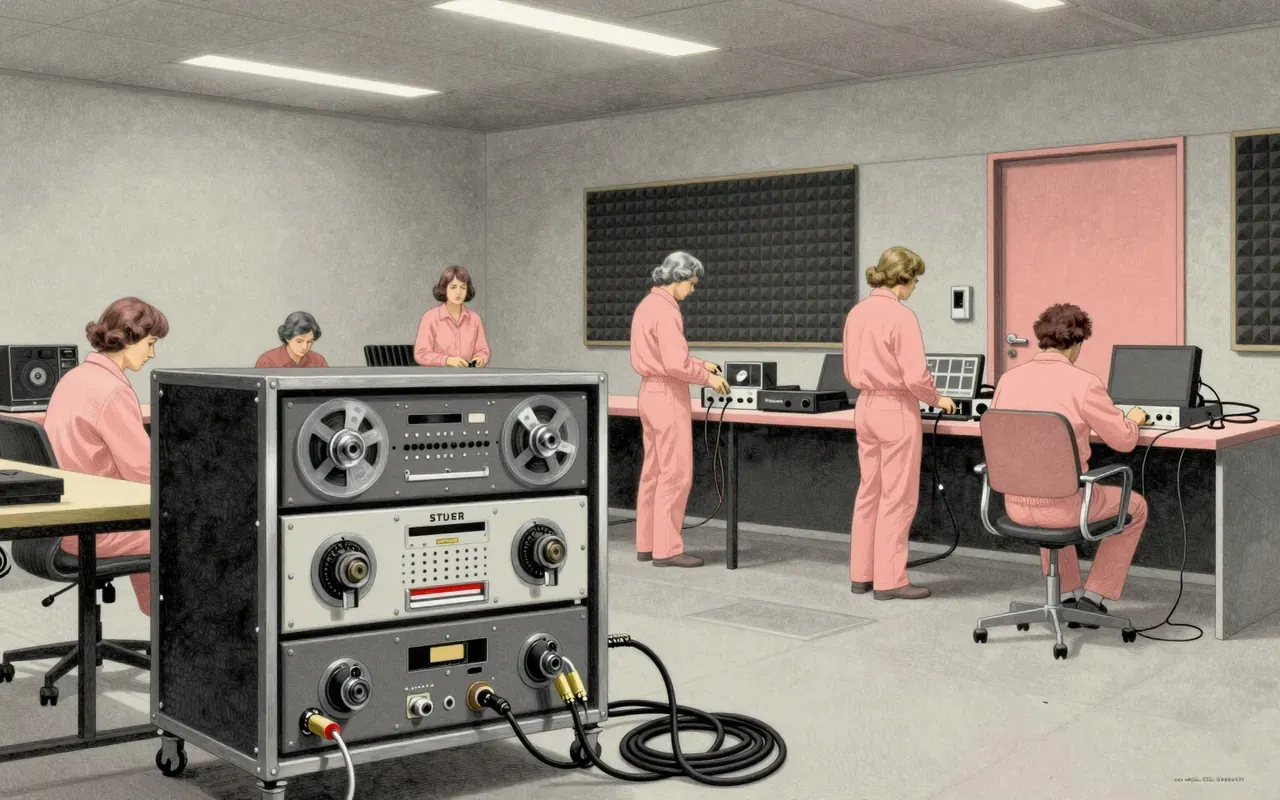
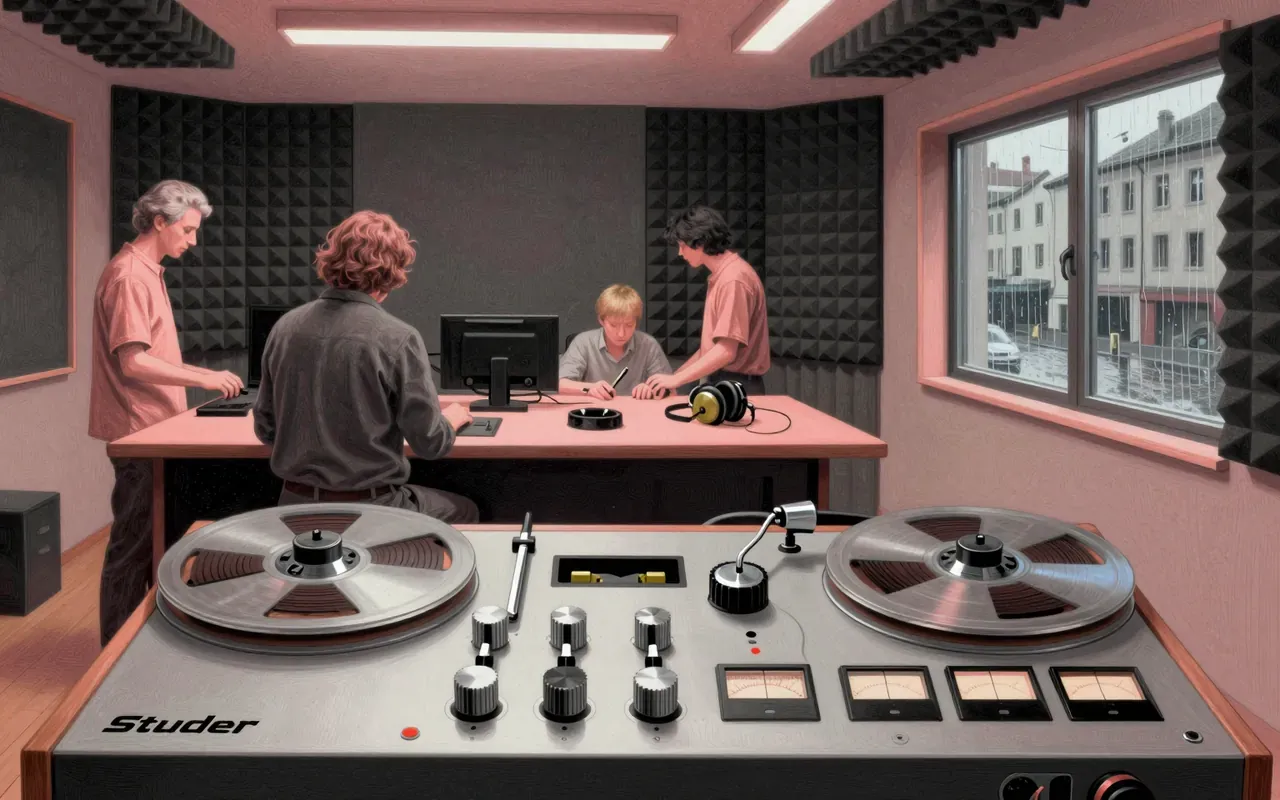
The Studer A80 is an analog multitrack tape recorder built for stable, warm, saturated recording — especially in rock — not for clinical fidelity or genre-agnostic flexibility.
How it works, in terms a player would use
It runs at 19/38 cm/s or 38/76 cm/s tape speeds. It uses 1/4-inch or 1/2-inch tape widths for 2- and 4-track configurations. Users must align heads per tape stock — GP9 demands different alignment than 456. The 1/2-inch tape is preferred for greater fidelity.
What it does better than anything else
It imparts an ‘old school’ character by smoothing sharp transients, emphasising low-end, and delivering beautiful, organic saturation in its spring circuitry.
What it does badly
It softens transients. It cannot reproduce sharp attack or high-frequency detail with the precision modern digital systems deliver. It is unsuitable for genres where transient fidelity is central.
What people made with it
The sources do not name any artists, albums, studios or recordings made with the Studer A80.
Who should use it, and who should not
Producers and engineers working on rock or similarly transient-tolerant material should use it. Anyone working on dance, house or electro should not.
Is it worth your time
Yes, if you need organic saturation and low-end emphasis for rock or similar styles. No, if you require transient accuracy for dance, house or electro. Its physical limitations are non-negotiable.