What it is and what it was built for
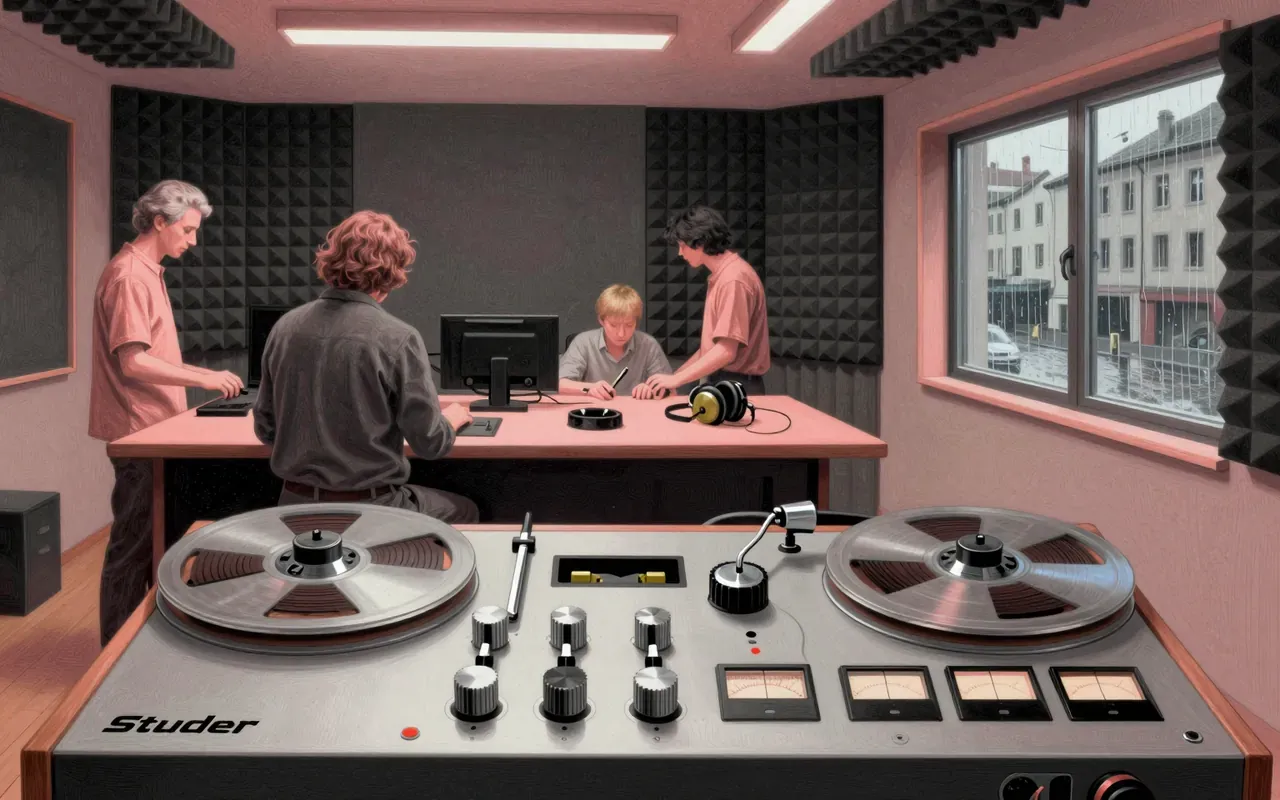
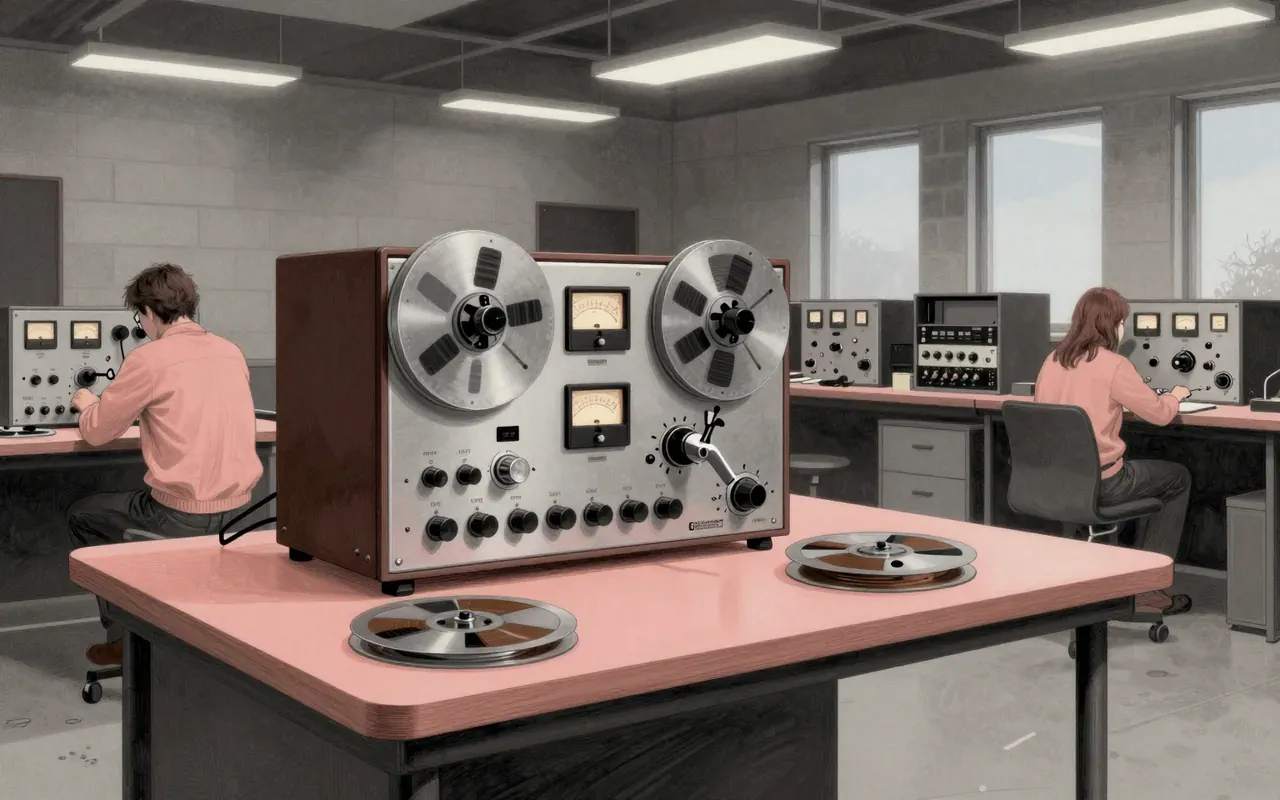
Studer is a Swiss manufacturer of professional audio equipment for recording studios and broadcasters. It began with oscilloscopes in 1948, entered audio in 1949 by modifying Ampex tape recorders, and launched its own Dynavox series by 1950.
How it works, in terms a player would use
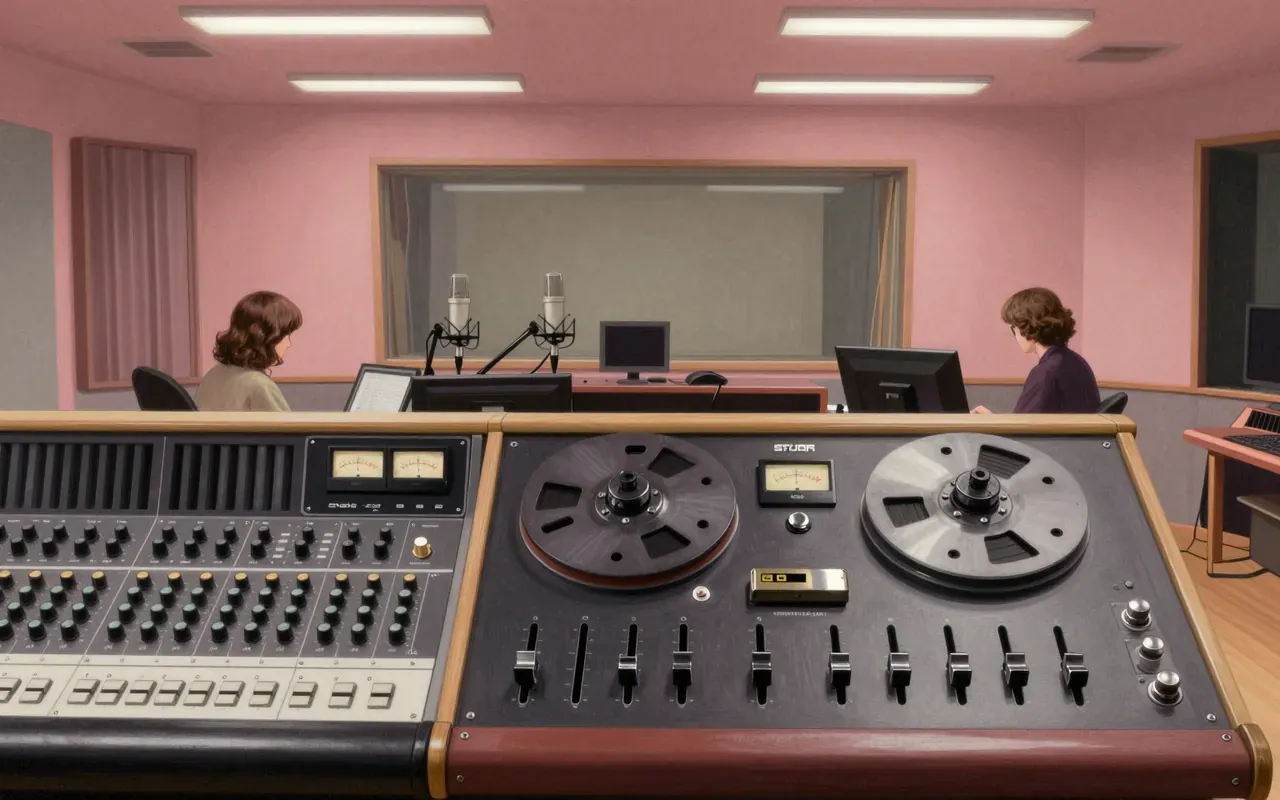
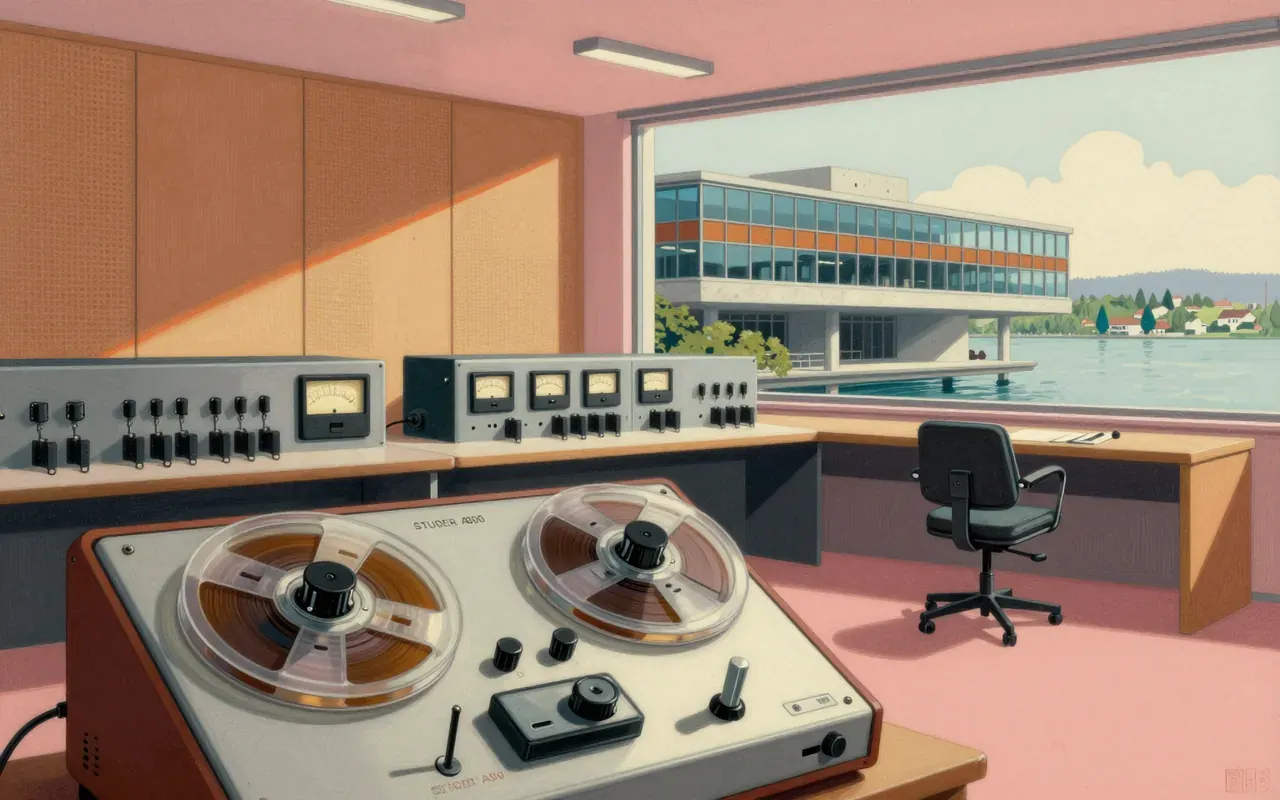
Studer devices are professional audio hardware: tape recorders and mixing consoles. They route, record, monitor, and mix audio signals for broadcast and studio use. Controls include transport buttons, level faders, EQ knobs, and routing switches — all built for repeatable, stable operation in high-stakes environments.
What it does better than anything else
It handles high-fidelity analog tape transport and digital console automation with precision and reliability. Its A800 series delivers consistent headroom and low noise across 24 tracks. Its Vista Series offers tactile, screen-anchored control via Vistonics knobs-on-glass.
What it does badly
It does not generate sound. It does not sequence, modulate, or perform. It cannot be played like an instrument. It offers no synthesis, sampling, or real-time timbral manipulation.
What people made with it
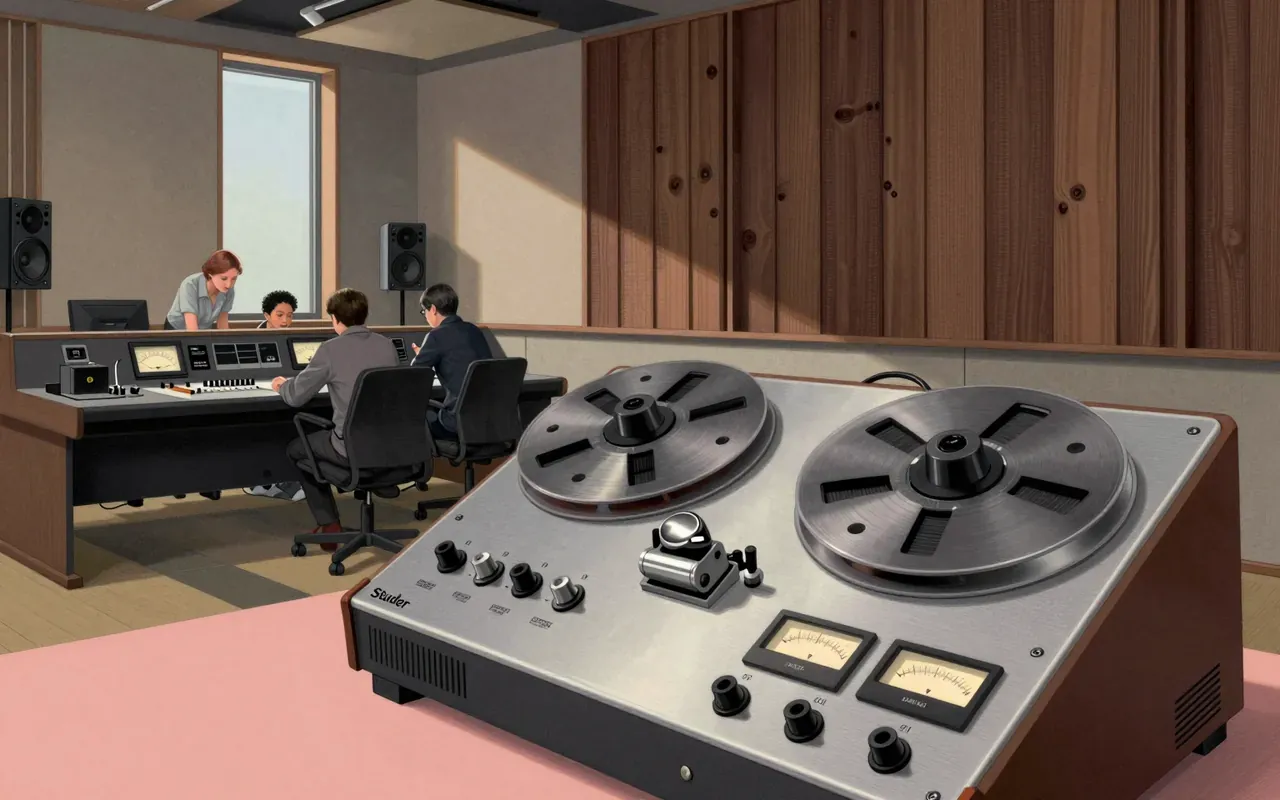
Studios used Studer recorders to capture multitrack sessions — including the J37 in 1964 and A800 series — and later digital consoles like the D950 (1998) and Vista Series (2003 onward) to mix broadcast and music content.
Who should use it, and who should not
Broadcast engineers and studio technical directors should use it. Musicians looking for a playable instrument should not. It serves signal flow, not expression.
Is it worth your time
No. There is no instrument named ‘Studer’ as a musical sound-making device. Studer makes recording and mixing hardware — not synthesizers, drum machines, or playable instruments. It belongs in the control room, not on stage.