What it is and what it was built for
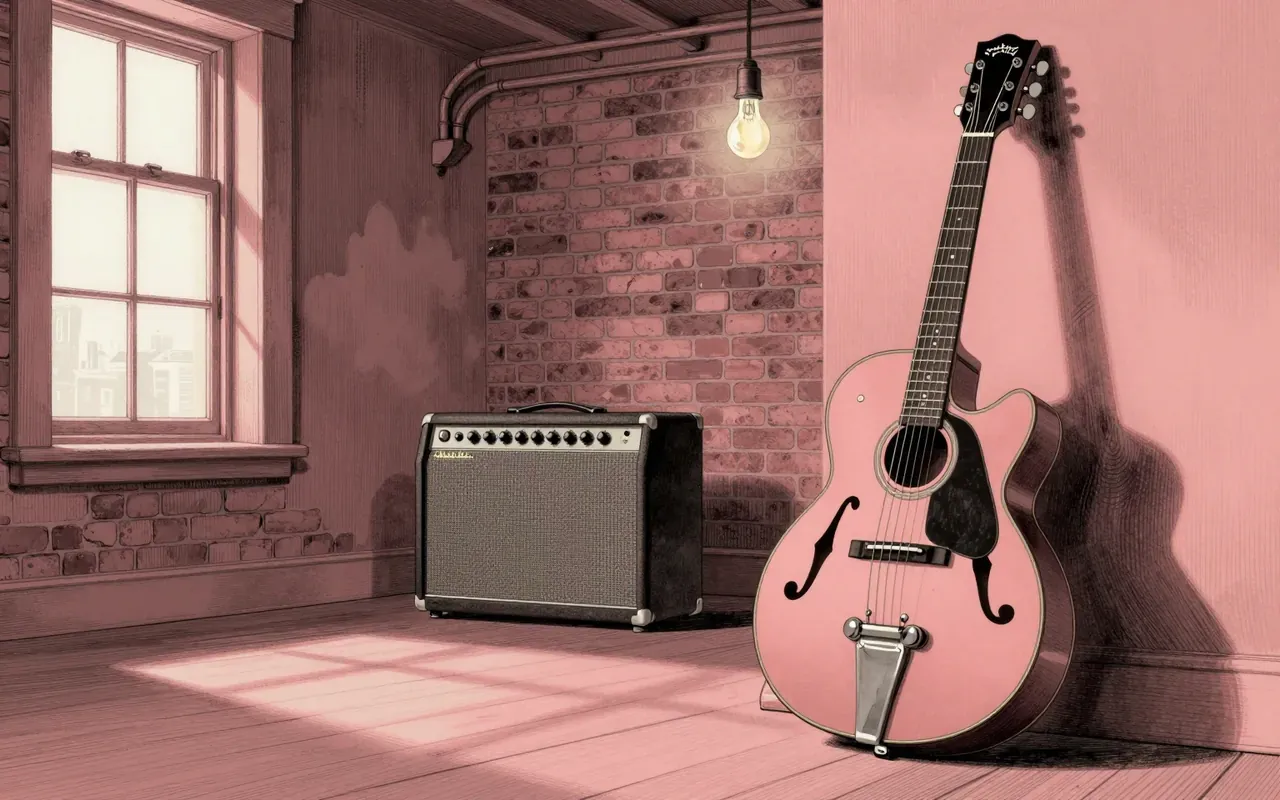
An Epiphone-exclusive entry-level solidbody electric guitar, first introduced as an amplified archtop in 1939, then reclassified as a solidbody by 1961. Built for affordability and directness, not feature count or refinement.
How it works, in terms a player would use
It has one pickup, one volume knob, one tone knob. No selector switch. No rhythm/treble toggle. The signal path is direct: pickup to volume to tone to output. Players plug in and play — no routing choices, no coil-splitting on the original models.
What it does better than anything else
It delivers raw, unfiltered P-90 midrange punch with immediacy and minimal signal loss. Its stripped-down control set forces focus on picking dynamics and amp interaction — not knob-twiddling.
What it does badly
It offers no tonal switching. No neck pickup. No bridge/treble/rhythm options. The wrap-around bridge on the 2020 reissue limits intonation adjustment. It cannot do clean jazz chords, high-gain lead textures, or layered rhythm parts without external pedals.
What people made with it
No specific recordings, players or genres are named in the source material. The document states no usage examples, so none can be claimed.
Who should use it, and who should not
Beginners who want a no-compromise starter guitar with character. Garage rock players who value simplicity and attitude over polish. Not for session players needing multiple tones, or those who rely on precise intonation or stable tuning.
Is it worth your time
Yes — if you want a simple, single-pickup solidbody with P-90 grit and zero decision fatigue. No — if you need versatility, modern ergonomics, or reliable tuning stability out of the box.