What it is and what it was built for
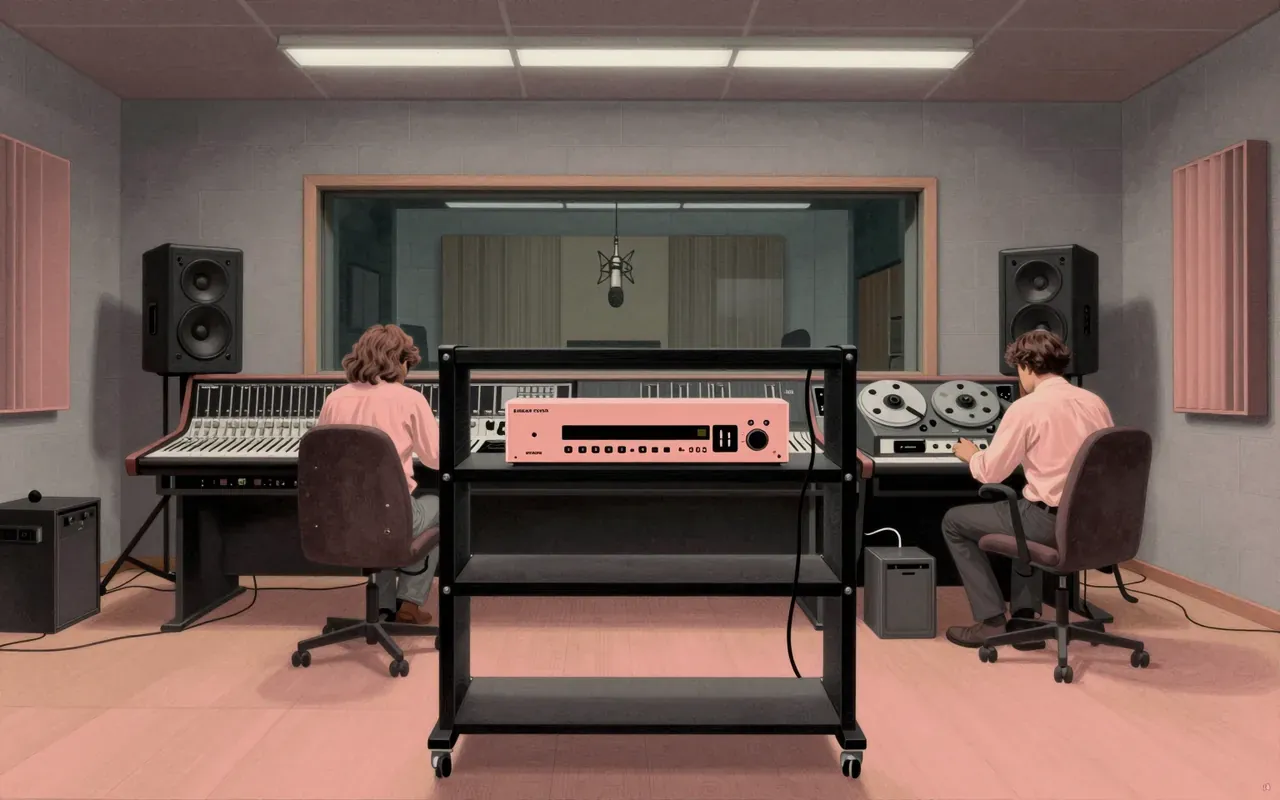
The Prism Sound Dream ADA-8XR is an eight-channel analog-to-digital and digital-to-analog converter built for professional studio and mastering environments where channel count, clock stability, and build integrity are non-negotiable.
How it works, in terms a player would use
It converts eight analog line-level signals to digital at up to 24-bit/192 kHz. It routes digital audio via a single DB-25 connector for AES I/O and locks to external clock sources using BNC Word-Clock in and out. Two RCA outputs feed monitoring paths independently of the main eight XLR outputs.
What it does better than anything else
It delivers eight balanced +4 dBu analog I/O channels with impeccable build quality in a single 1U rack unit—more channels than most converters at this form factor, with direct Word-Clock and AES integration built in.
What it does badly
It generates significant heat, requiring at least 1U of vertical rack clearance. It offers no digital inputs beyond the DB-25 AES path and no headphone output, monitor level control, or metering interface.
What people made with it
Users integrated it into DAW-based mastering chains and multi-channel recording rigs, citing its role in high-resolution capture and playback workflows.
Who should use it, and who should not
Mastering engineers and studio integrators who need eight simultaneous, stable, high-resolution conversion paths in a compact rack unit should use it. Anyone needing fanless operation, portable deployment, or consumer I/O (like USB or optical) should not.
Is it worth your time
Yes—if you need eight high-fidelity, rack-mounted A/D and D/A channels with Word-Clock sync and can accommodate its thermal output. No—if you need more than eight I/O, low-heat operation, or consumer-level connectivity.