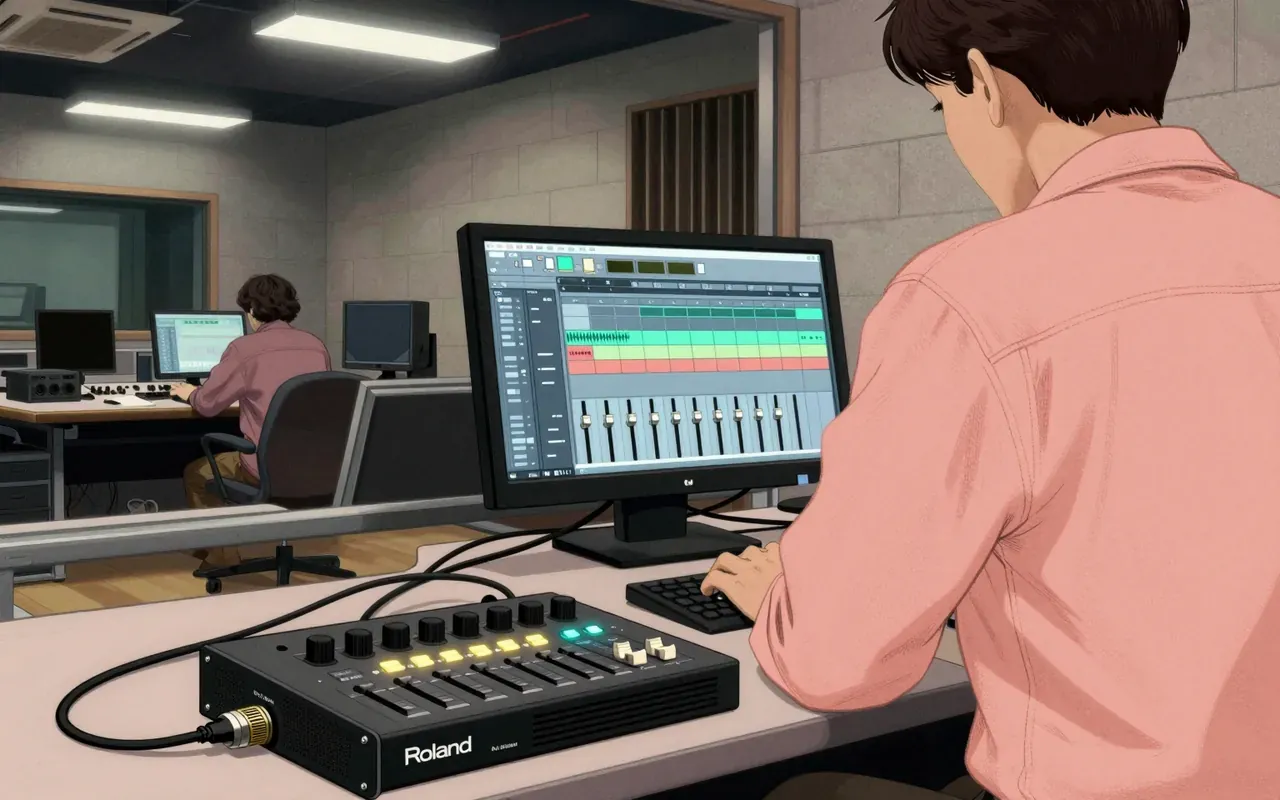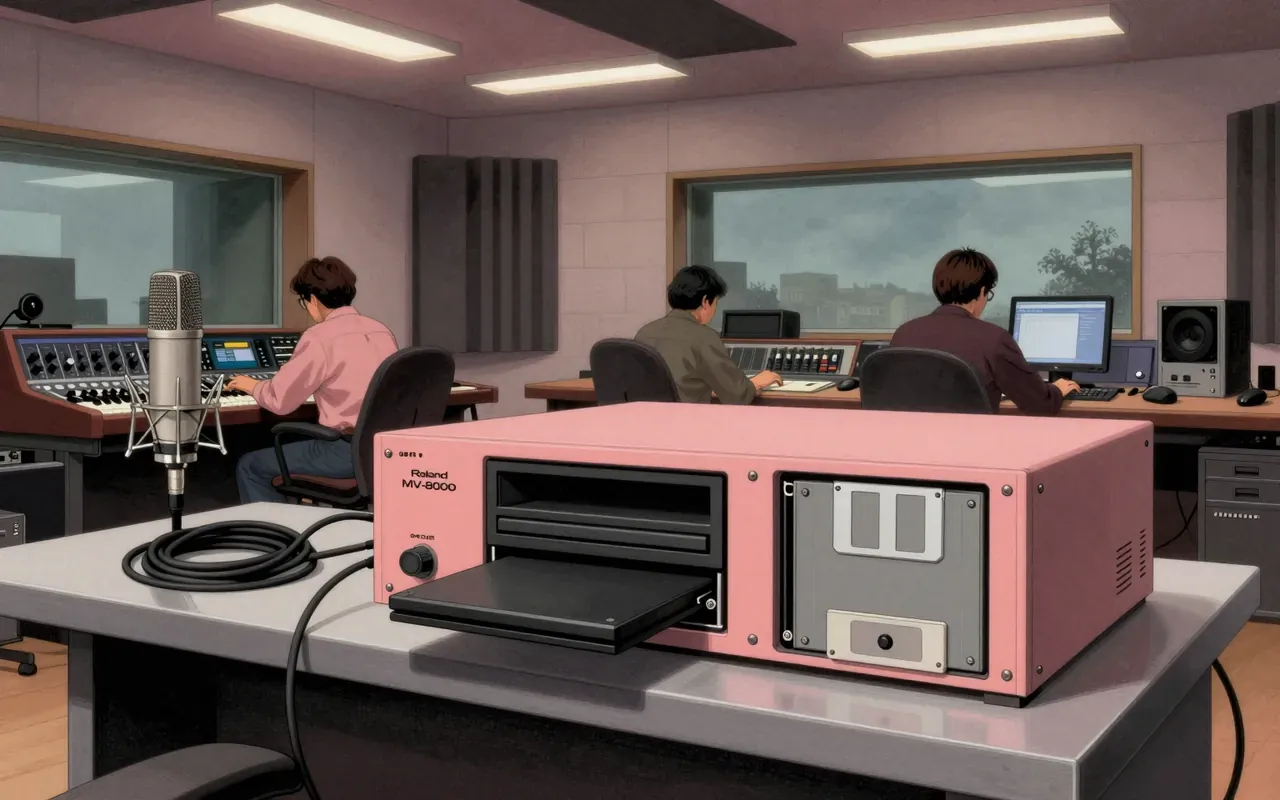
What it is and what it was built for
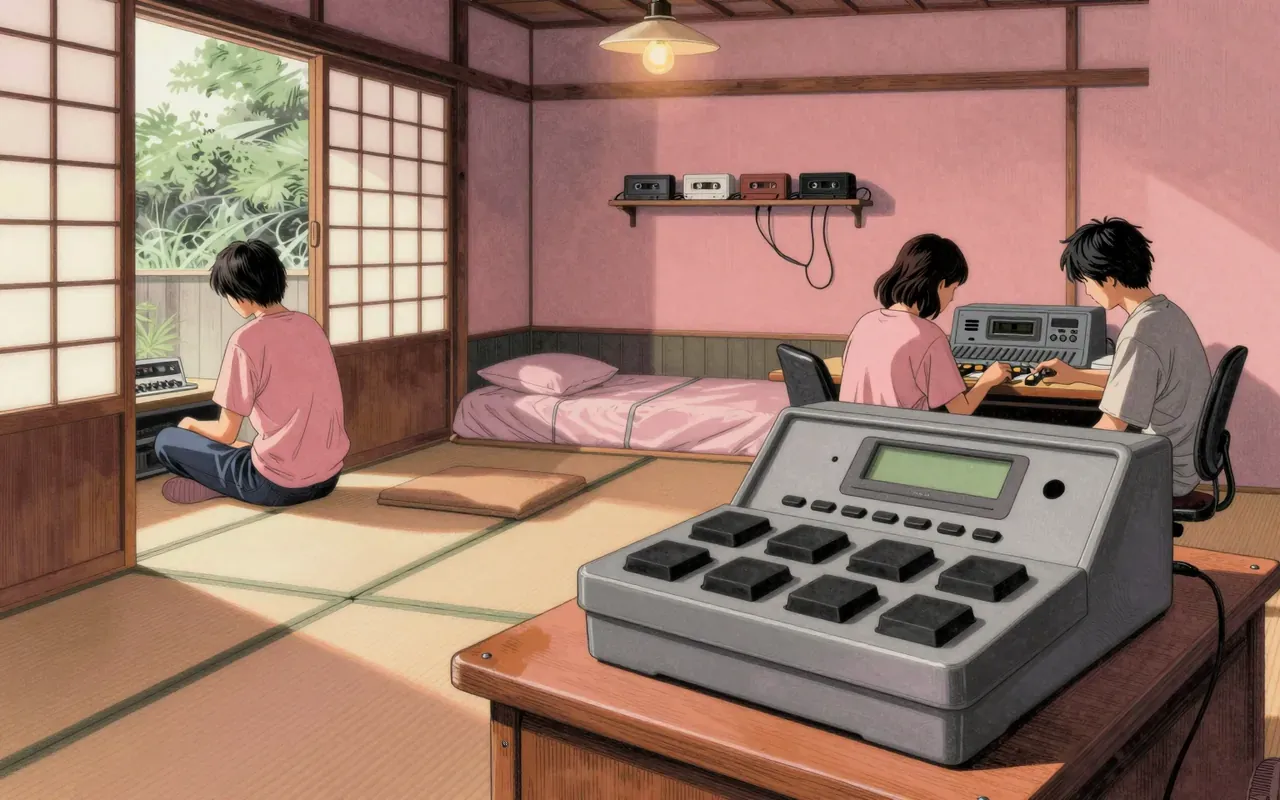
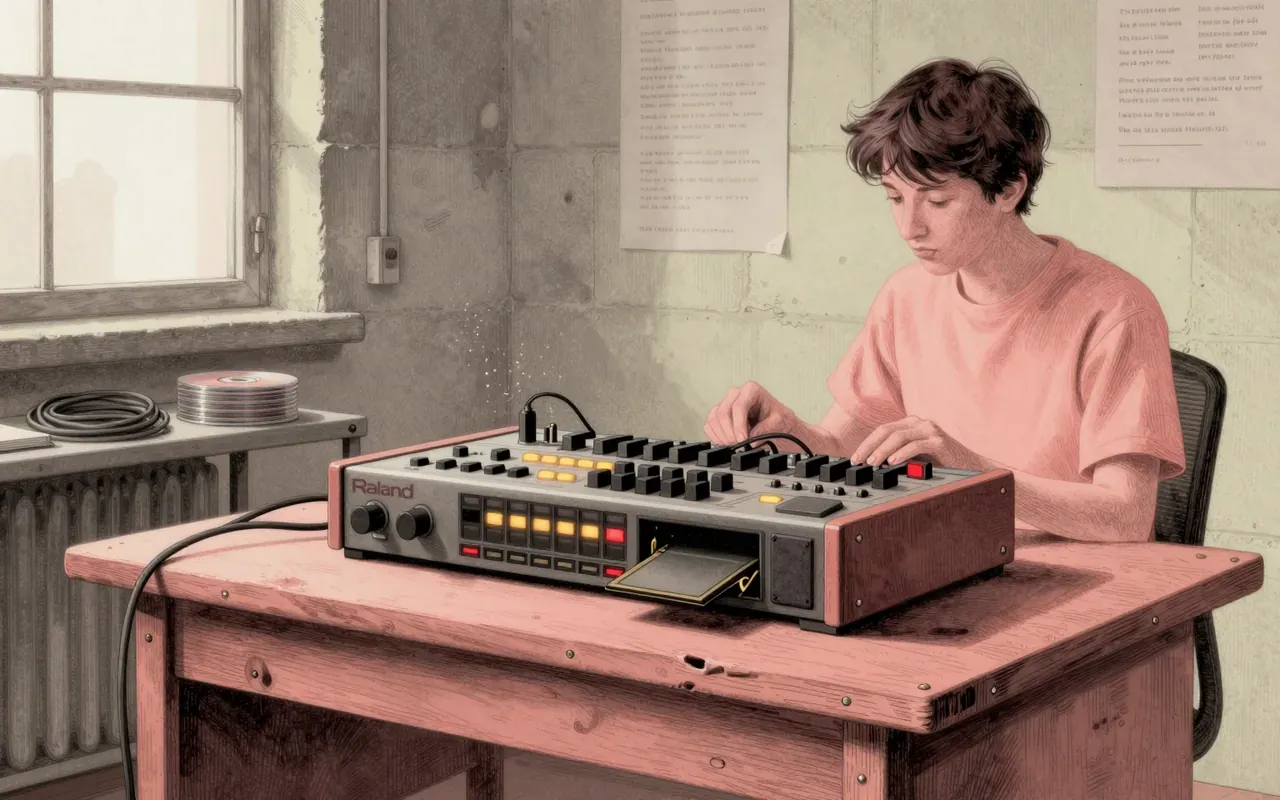
The Roland MV-8000 is a 2004 sampling sequencer built for producers who want to record, edit, sequence, and master full tracks without a computer.
How it works, in terms a player would use
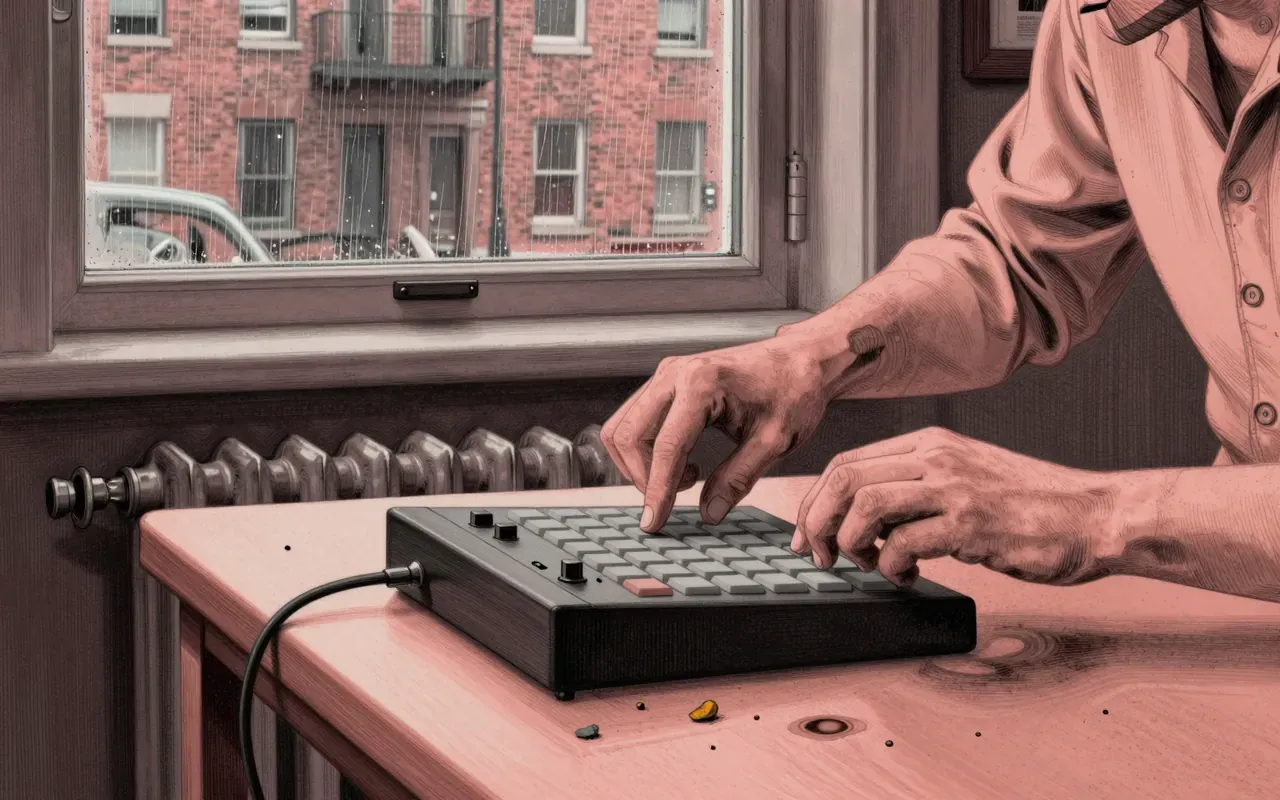
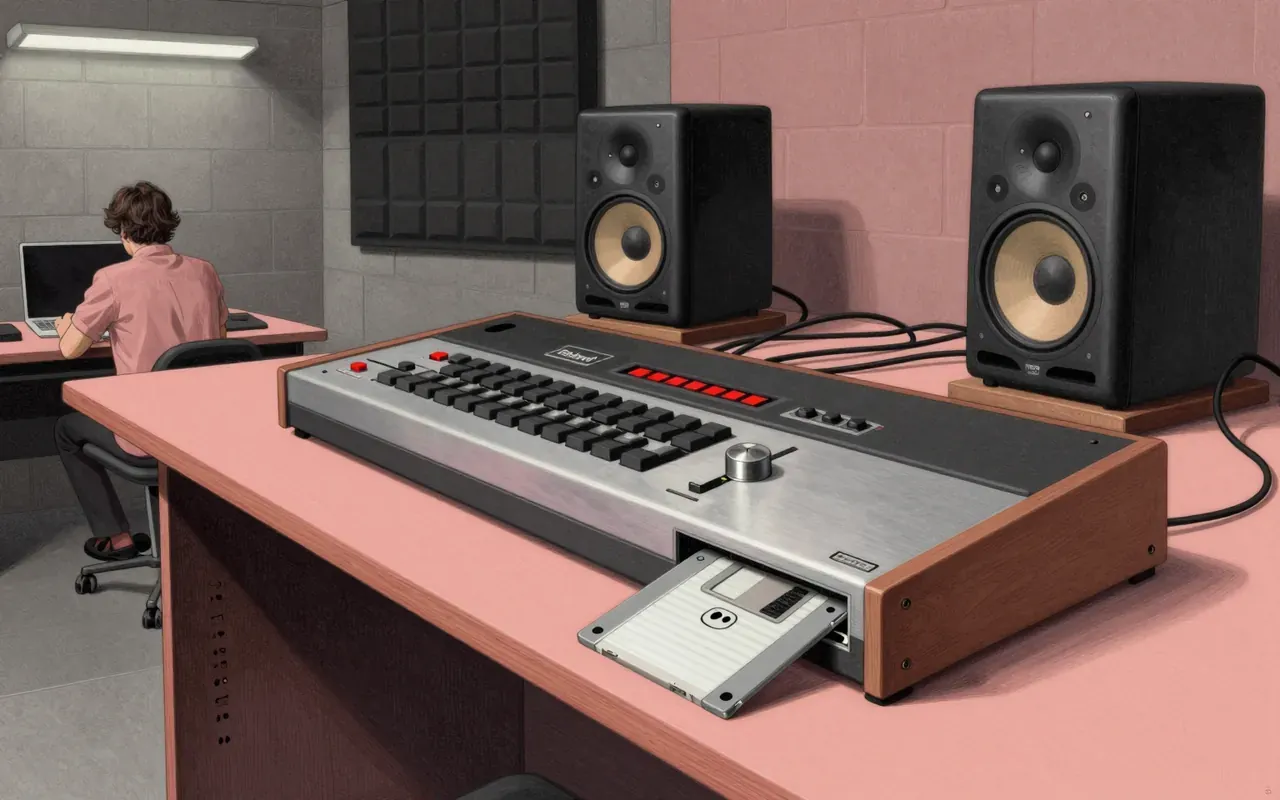
It runs a sampling sequencer OS with linear and pattern-based workflows. You load samples from the internal 40 GB hard drive, CD-ROM, or floppy disk. You edit them using on-screen tools, trigger them via the drum grid, and route them through built-in mastering effects. USB lets you move files to and from a computer. A built-in turntable preamp lets you sample vinyl directly.
What it does better than anything else
It integrates CD-ROM, floppy, USB, VGA/mouse, turntable preamp, and mastering tools in one unit better than any MPC of its time. Its drum grid and dual sequencing modes give immediate tactile access to both loop-based and linear composition.
What it does badly
It falls short on RAM stability beyond 512 MB, even if users report installing 1 GB. Its IDE hard drive limit caps storage at 120 GB. It lacks modern connectivity: no FireWire, no SD card, no Ethernet, no audio interface beyond line-level I/O.
What people made with it
People made full instrumentals, beats, and mastered tracks—using its internal drives, vinyl sampling, and integrated effects—though no specific releases or artists are named in the source material.
Who should use it, and who should not
A crate-digging producer with a turntable and floppy-based sample library should use it. Anyone needing VST support, high track counts, or real-time audio routing should not.
Is it worth your time
Yes—if you need an all-in-one hardware sampler with deep editing, direct vinyl capture, and VGA/mouse operation in 2004-era workflow. No—if you rely on modern file formats, cloud sync, or low-latency performance.