audiobriefs
8:42in productionCh. 1 · Not an instrument. A timer./ 8:42 · ceiling 15 min
Effects & pedals · Studio & recording

Lexicon (company)

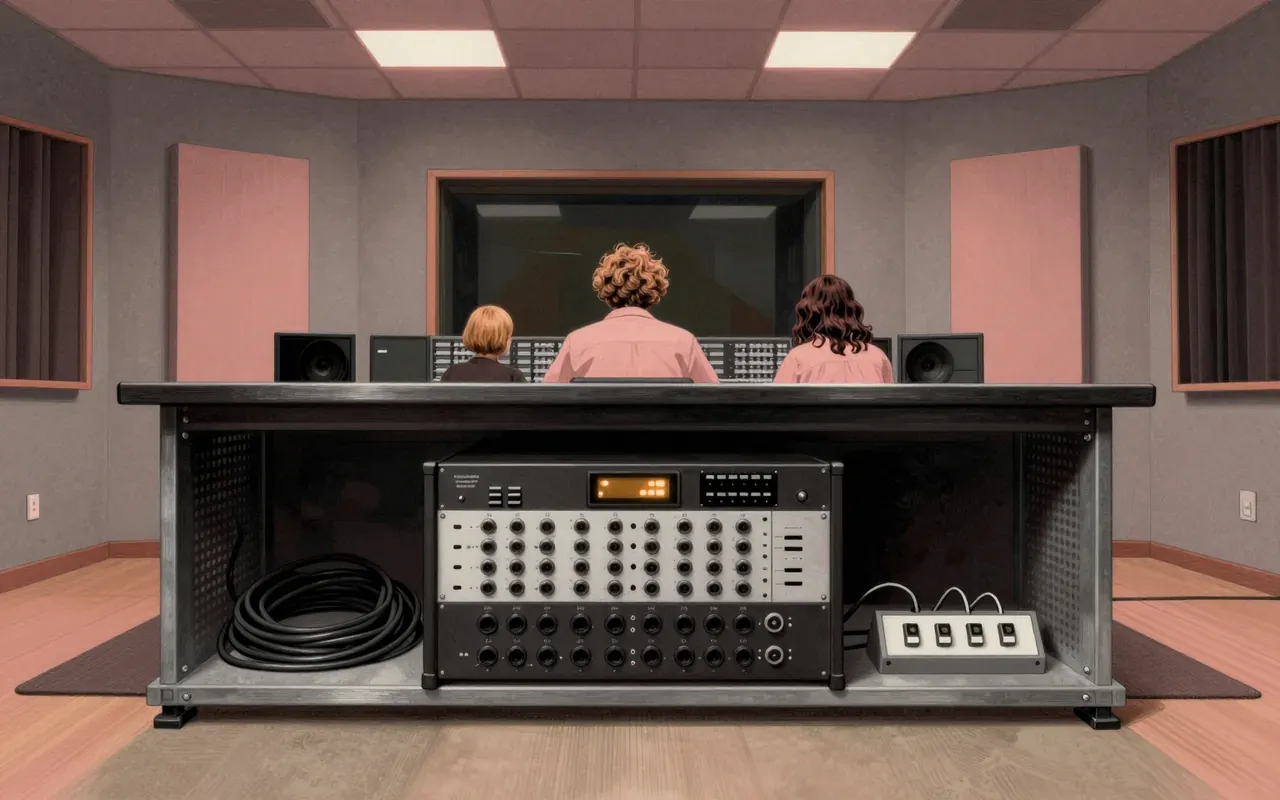
Lexicon didn’t make music — it made space, one rack unit at a time.

Lexicon (company) built digital audio processors — delays and reverbs — beginning in 1971. Their instruments were rack-mounted, line-level, and purpose-built for studio spatial effects. They delivered consistent digital reverb and delay with tactile control, but offered no sound generation, no synthesis, no portability, and no real-time performance features.

Chapters & takeaways4
  1. 1:16
    Not an instrument. A timer.

    Lexicon’s first product was a digital delay unit — not a synth, not a sampler, but a precision timing tool.

  2. 2:14
    The rack that changed the room

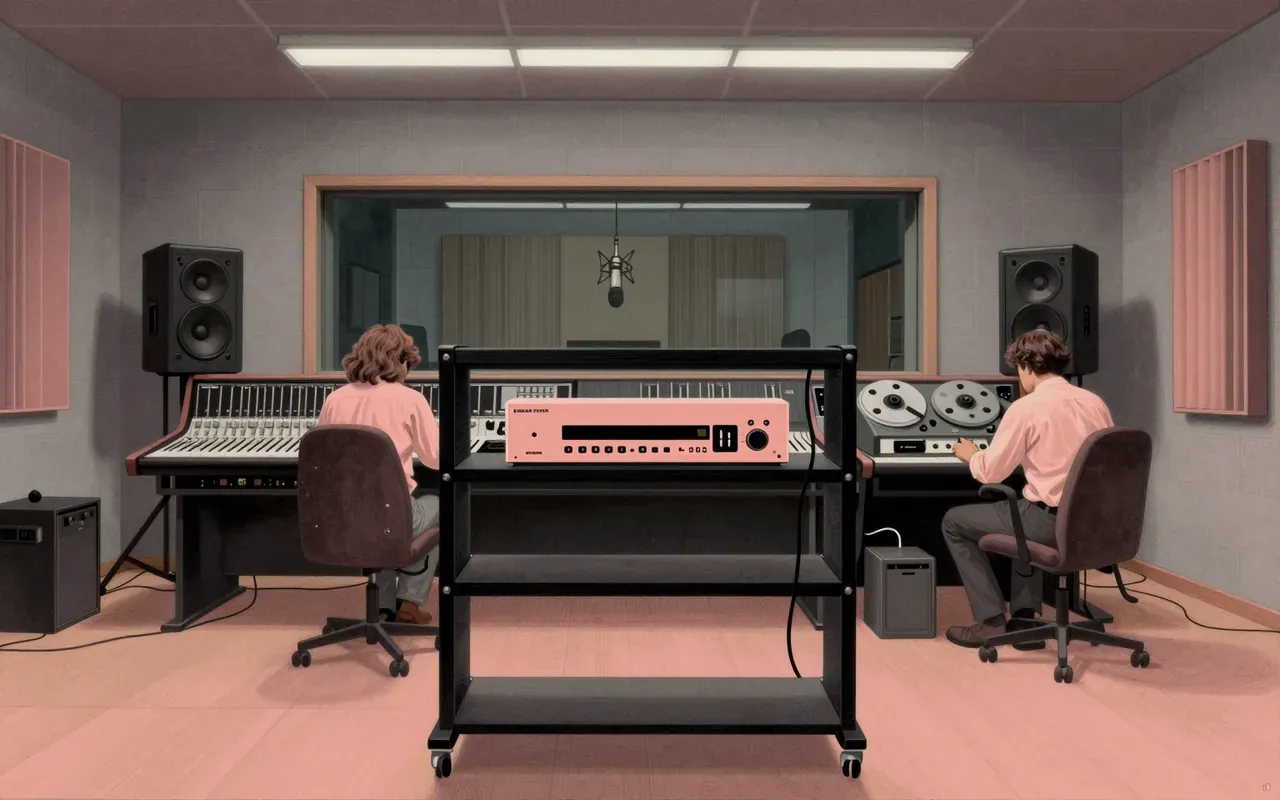
    The Model 224 wasn’t first — but its price and rack format made digital reverb standard in studios.

  3. 3:36
    Effects-first design

    Prime Time was among the first digital delays built explicitly for effects — not tape sync, not playback, but colour.

  4. 4:48
    Digital reverb, refined

    PCM-80 and PCM-90 extended Lexicon’s role into multi-effects and dedicated reverb — still rack-only, still digital, still deterministic.

Worth your time?

Yes. Use the whole thing.

4.5/ 5
What works
  • digital reverb with predictable decay
  • delay with stable timing and low noise
  • rack integration in professional signal chains
  • repeatable, recallable spatial effects
What does not
  • generate sound
  • support live performance
  • offer instrument-level connectivity
  • include synthesis or sampling
Use it if
  • studio engineers
  • mixing professionals
  • reverb-focused producers
Skip it if
  • live performers
  • synth players
  • DIY hardware tinkerers
The written brief1 min read

What it is and what it was built for

Lexicon (company) built digital audio processing instruments starting in 1971. Their first product was a digital delay unit. They made reverb and multi-effects units for professional studios.

How it works, in terms a player would use

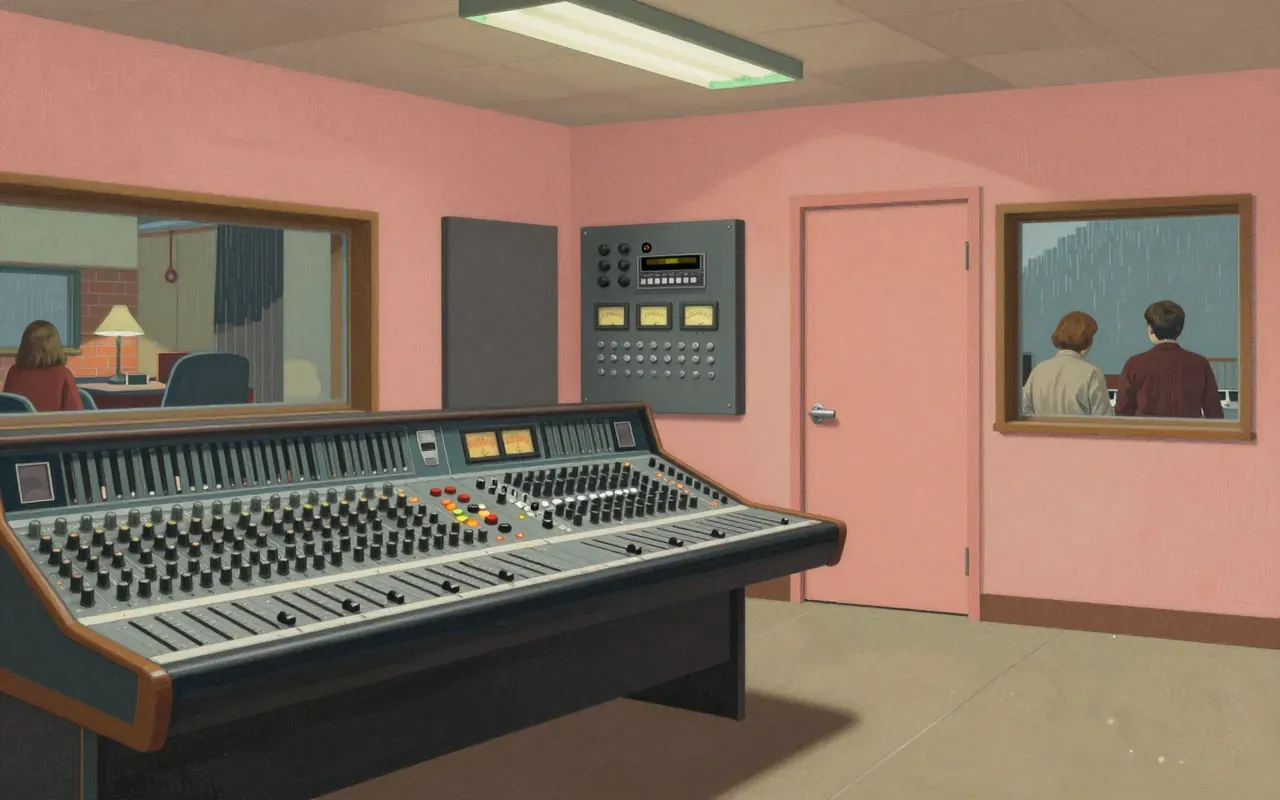
Lexicon units are rack-mounted digital audio processors. They accept line-level inputs and output processed audio. Controls adjust delay time, reverb decay, diffusion, and mix. No synthesis, no oscillators, no keyboard — only effects routing and parameter adjustment.

What it does better than anything else

Lexicon units deliver consistent, high-fidelity digital reverb and delay with low noise and stable timing — unmatched in early commercial digital audio for clarity and predictability.

What it does badly

They do not generate tones. They do not track pitch or tempo. They offer no built-in looping, sampling, or MIDI sequencing. Their signal path is fixed: input → processing → output.

What people made with it

Engineers used Lexicon units to shape space in recordings — adding depth to vocals, glueing drum mixes, and creating signature ambience on records across genres.

Who should use it, and who should not

Studio engineers and producers who work with outboard gear and value precise, repeatable spatial effects. Not for performers needing footswitches, battery power, or instrument-level inputs.

Is it worth your time

Yes — if you need studio-grade digital reverb or delay with tactile, channel-strip-style control. No — if you seek sound generation, real-time modulation, or portable effects.

Same bench · Effects & pedals4 of 9
9:15
Big MuffElectro-Harmonix · 1969The Big Muff Pi is a 1969 fuzz effects pedal with four transistors, two soft-clipping stages, and a tone stack that scoops mids when centred. It delivers smooth, saturated, bass-heavy sustain at any volume—making small amps sound bigger. It was intended to mimic Hendrix but became heavier and more distinctive. It does not offer gain staging, midrange recovery, or dynamic clean-up.
8:52
Watkins CopicatWatkinsThe Watkins Copicat is a valve-based tape echo unit introduced in 1958. It features three replay heads, a selector switch, and a feedback loop for variable echo-repeat. It was designed to be simple, affordable, and portable. It was one of the first commercially available tape delay units and preceded other major European echo units. The first production run of 100 units sold out on the first day.
9:18
Fuzz FaceArbiter · 1966The Fuzz Face is a minimal, high-character fuzz pedal built for affordability—not precision. Its two-knob interface and six-component design deliver immediate, touch-sensitive distortion, especially with NKT275 germanium transistors. But its crude biasing makes germanium units thermally unstable. Silicon versions trade warmth for harshness and reliability. It excels at organic, swelling fuzz tones shaped by the player—not the pedal.
8:18
Maestro FZ-1 Fuzz-ToneMaestro · 1962The Maestro FZ-1 Fuzz-Tone is the first widely marketed fuzz effect. Introduced in 1962. Achieved mainstream impact in 1965 via Keith Richards on 'Satisfaction'. Uses three germanium transistors. Powered by two 1.5V batteries (later one). Responds directly to input amplitude. Temperature sensitive. Delivers brass-like tones. Integrated into Gibson EB-0F basses circa 1964. Revised as FZ-1a in late 1965.
Up next in Audio

Korg Poly-800

Korg · 11:12

The first sub-$1,000 programmable polyphonic synth — but its shared filter means chords lie to you.

11:12