audiobriefs
9:10in productionCh. 1 · The 1986 Standard/ 9:10 · ceiling 15 min
Effects & pedals · Studio & recording

Lexicon Lexicon 480L

The 480L isn’t vintage charm—it’s a locked-in, cable-dependent reverb engine that still outperforms most plugins in spatial authority.

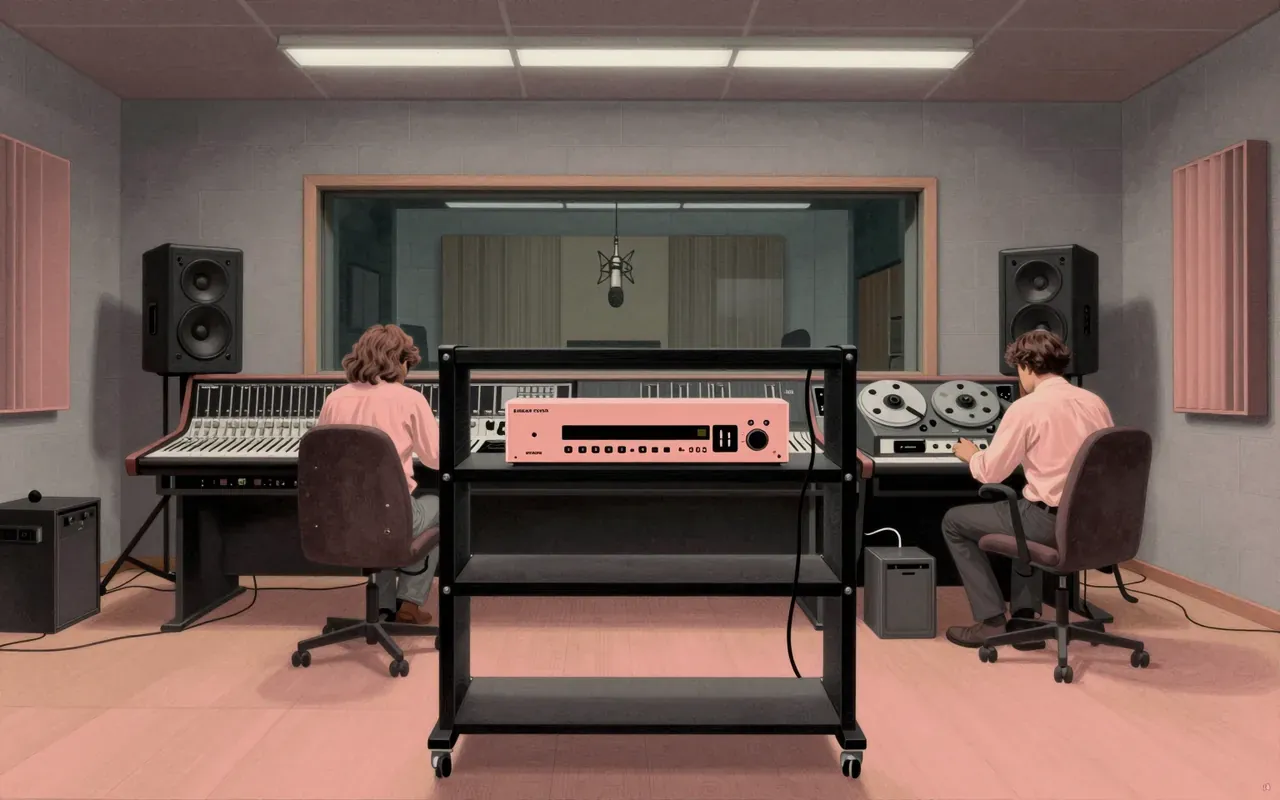
The Lexicon 480L is a rack-mounted digital reverb processor introduced in 1986. It contains 200 internal programs. It supports RAM and ROM cartridges. It is controlled via the LARC remote control unit. It has 2 or 4 XLR analog outputs. Two units can be cascaded for two independent engines. Version 1.01 launched in 1986 and immediately became the new world standard for high-end studio reverb machines. Firmware extended to version 4.01 with a surround kit before being replaced by the 960L.

Chapters & takeaways4
  1. 1:02
    The 1986 Standard

    Version 1.01 launched in 1986 and immediately became the world standard for high-end studio reverb.

  2. 2:29
    200 Programs + Cartridges

    200 internal programs plus RAM and ROM cartridges gave users deep, swappable reverb libraries.

  3. 4:04
    Cascading Engines + LARC

    Two independent engines could be cascaded—and fully controlled remotely via the LARC unit.

  4. 5:35
    From 4.01 to 960L

    Firmware extended to version 4.01 with a surround kit before the 960L replaced it.

Worth your time?

Yes. Use the whole thing.

4.5/ 5
What works
  • audio/effects-and-pedals
  • audio/studio-and-recording
  • audio/sound-design-and-sampling
What does not
  • audio/daws-and-software
  • audio/dj-gear
  • audio/guitars-and-amps
  • audio/headphones-and-hi-fi
Use it if
  • audio/effects-and-pedals
  • audio/studio-and-recording
  • audio/sound-design-and-sampling
Skip it if
  • audio/keyboards-and-organs
  • audio/microphones-and-preamps
  • audio/mixing-and-mastering
The written brief1 min read

What it is and what it was built for

It is a rack-mounted digital reverb processor built for professional studio use. It was introduced in 1986 to deliver definitive reverb quality for recording and mixing.

How it works, in terms a player would use

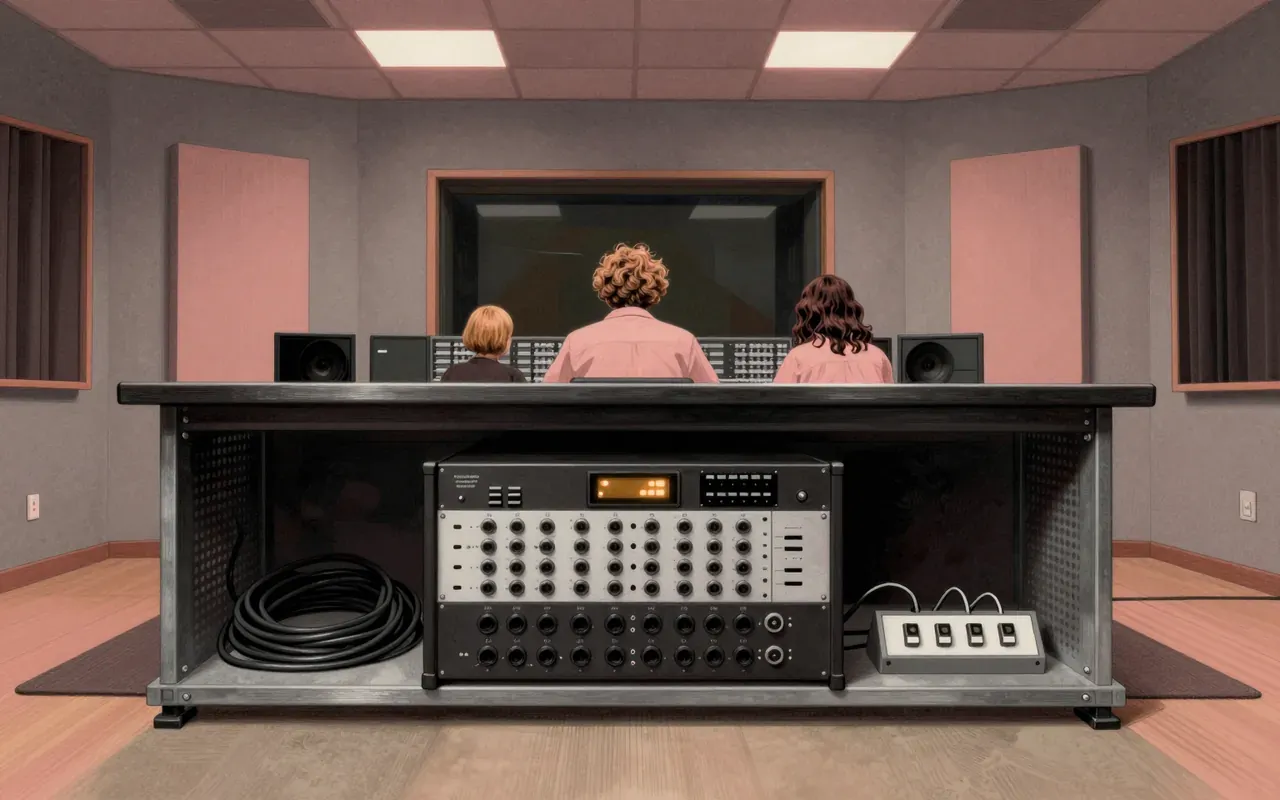
It runs reverb algorithms from 200 internal programs. You load them via the front panel or the LARC remote control unit, connected by a control cable. You route audio to its 2 or 4 XLR analog outputs. Two units can be cascaded for two independent engines.

What it does better than anything else

It delivers consistent high-end studio reverb with cascading dual-engine operation and cartridge-based program expansion—more than any contemporary rack unit offered in 1986.

What it does badly

It does not support digital audio interfaces. It has no built-in editing interface beyond the LARC or front panel. Its firmware stops at version 4.01. It was replaced by the 960L.

What people made with it

Engineers used it to shape vocal space, glue drum buses, and define ambient depth on major recordings throughout the late 1980s and 1990s.

Who should use it, and who should not

Studio engineers who own or can source a working unit and LARC, and who value hands-on, hardware-based reverb routing. Not for producers who rely on DAW-native recall, automation, or low-latency monitoring.

Is it worth your time

Yes—if you need studio-grade reverb with cartridge expandability and remote control in a rack. No—if you need modern workflow integration, recallable presets without external hardware, or surround without a separate kit.
Same bench · Effects & pedals4 of 121
Up next in Audio

Linn Electronics LinnDrum

Linn Electronics · 9:04

It gave drum machines hands-on tuning and 15 outputs — then refused to speak MIDI.

9:04