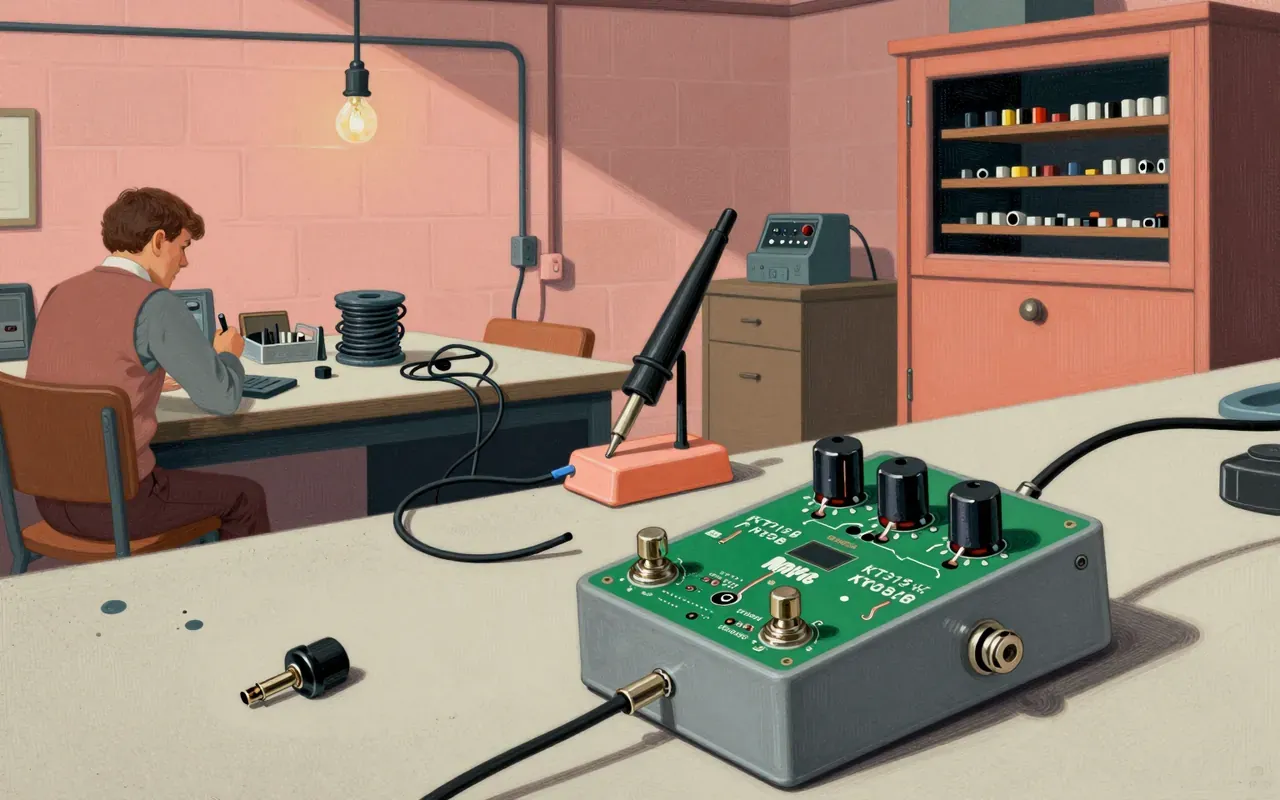
Space gives you Blackhole® and Shimmer in a pedal—but makes you earn them with knobs, code, and clicks.
The Eventide Space is a reverb-and-delay pedal offering 12 algorithmic spatial effects—including Hall, Plate, Blackhole®, and Shimmer—controlled via 10 knobs, MIDI, expression pedal, or HotSwitch. It features 100 presets (some artist-designed), true analog bypass, tap tempo/MIDI clock sync, and mono/stereo I/O in a rugged metal pedal format. Software tools FactorLib and H9 Control manage presets; the SpaceTime algorithm combines modulation, two delays, and reverb.
supports real-time parameter changes via HotSwitch
locks delay and reverb timing to beat via tap tempo and MIDI clock
keeps dry signal pure with true analog bypass
What does not
simplify complex algorithms into intuitive controls
allow preset naming or editing on the unit
include onboard preset browsing beyond number
Use it if
guitarists
keyboard players
sound designers
Skip it if
beginners
those avoiding software-based preset management
The written brief1 min read
What it is and what it was built for
Space is a reverb-and-delay pedal built for players who need expressive, high-performance spatial effects on stage and in the studio.
How it works, in terms a player would use
Ten knobs adjust parameters in real time. A programmable footswitch called HotSwitch changes settings instantly. Tap tempo and MIDI clock sync lock delay and reverb timing to a beat. Presets load from 100 factory slots, some made by artists. True analog bypass keeps the dry signal pure. Mono or stereo I/O routes audio cleanly.
What it does better than anything else
It delivers experimental reverb types—Blackhole®, Shimmer, MangledVerb—alongside conventional ones like Hall and Plate, all in one rugged pedal with true analog bypass and seamless tempo sync.
What it does badly
It does not simplify complex algorithms into intuitive controls. The 12 effects demand time to learn. There is no onboard preset naming or editing—only loading, archiving, and reordering via FactorLib or H9 Control software.
What people made with it
Artists made presets for Space, but the sources do not name them, describe their work, or specify recordings or performances.
Who should use it, and who should not
Guitarists, keyboard players, and sound designers who use MIDI, expression pedals, or HotSwitch for dynamic control should use it. Beginners or those avoiding software-based preset management should not.
Is it worth your time
Yes—if you need deep, switchable spatial textures live or in the studio. No—if you want simple reverb without menu diving or external software for preset management.