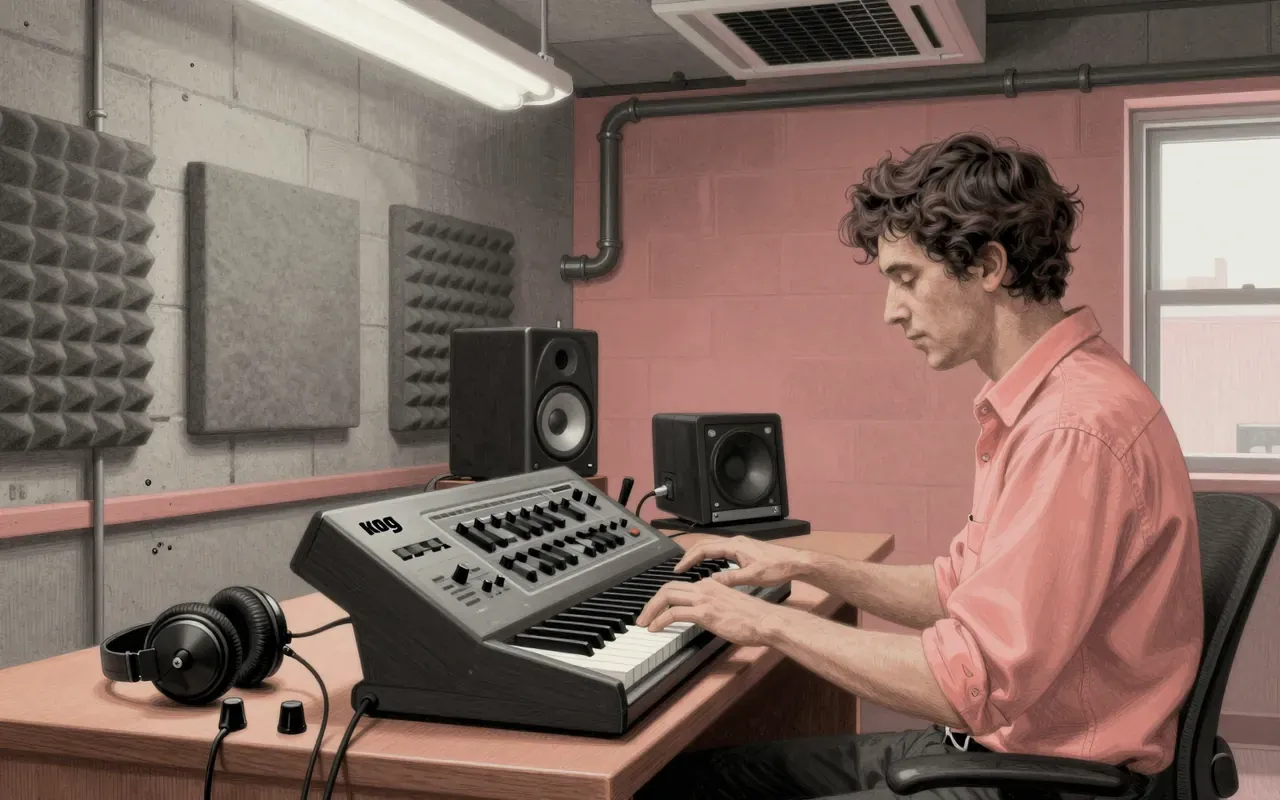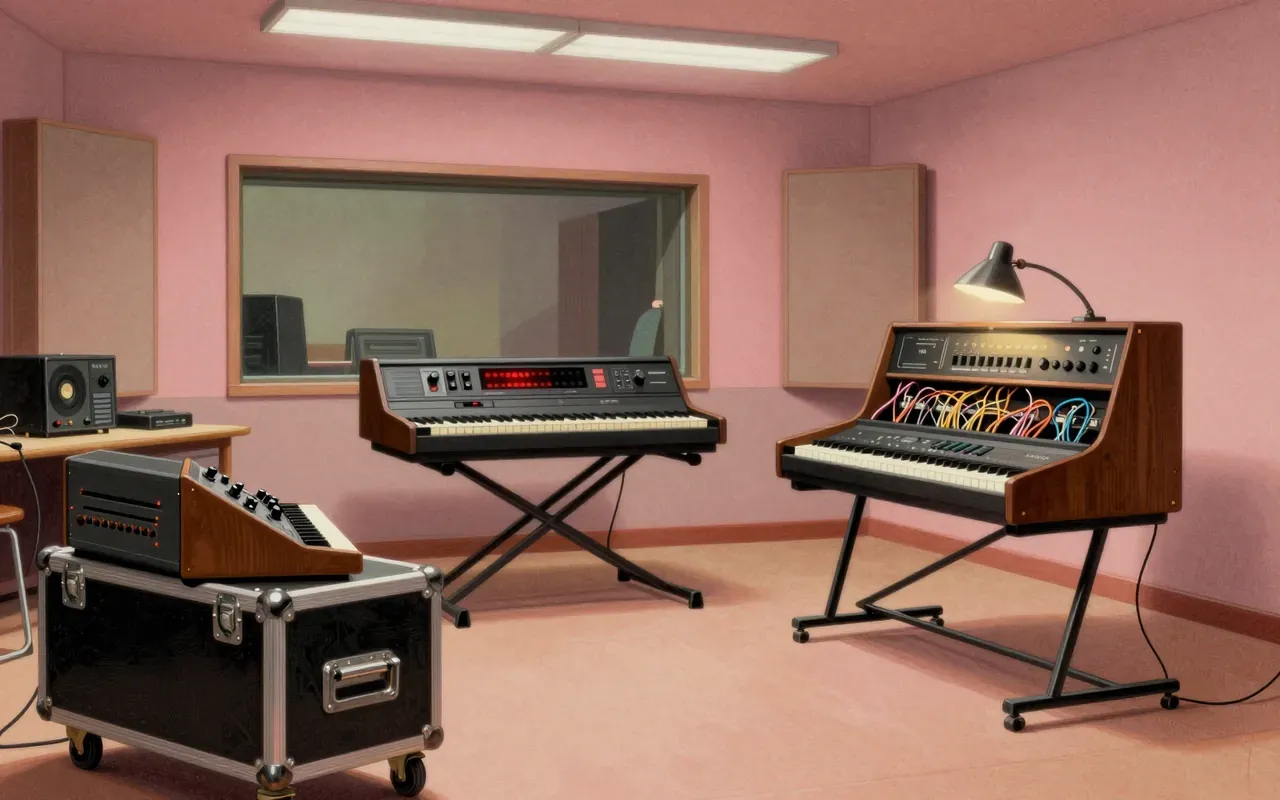
What it is and what it was built for
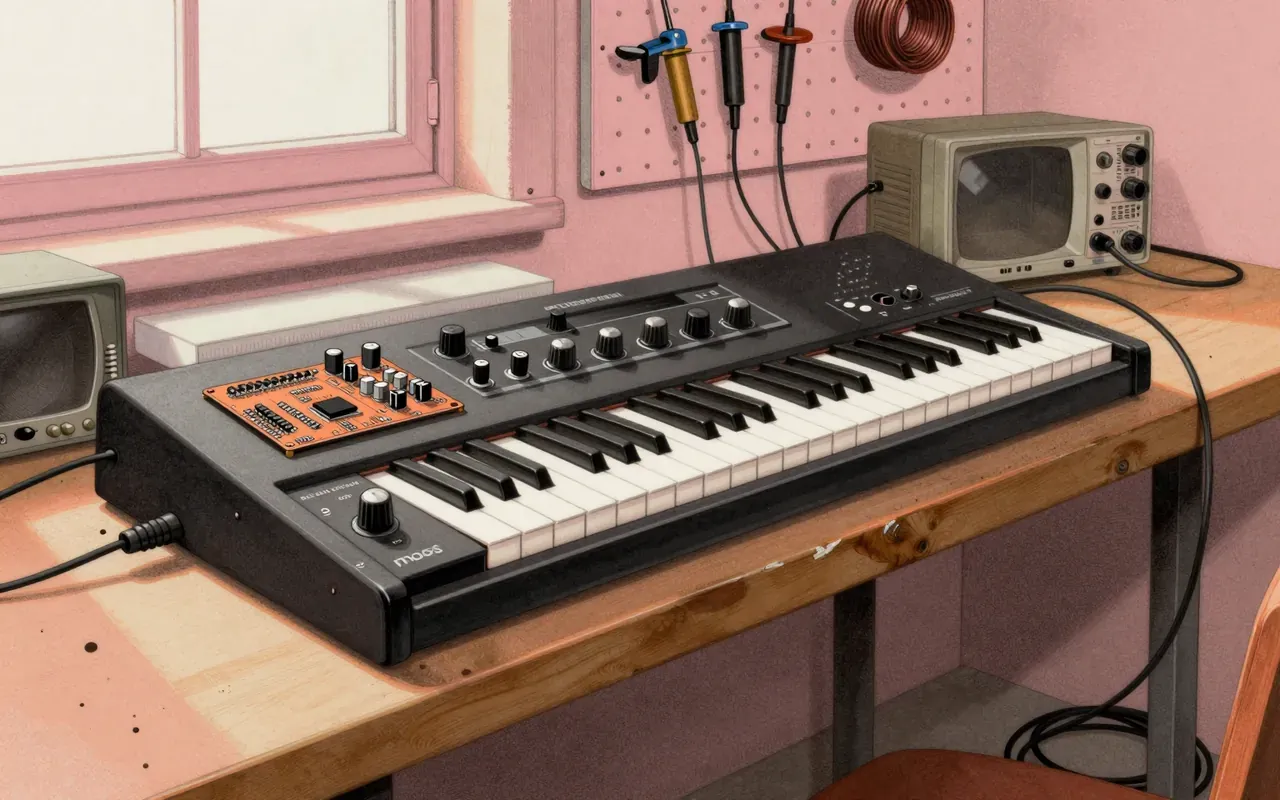
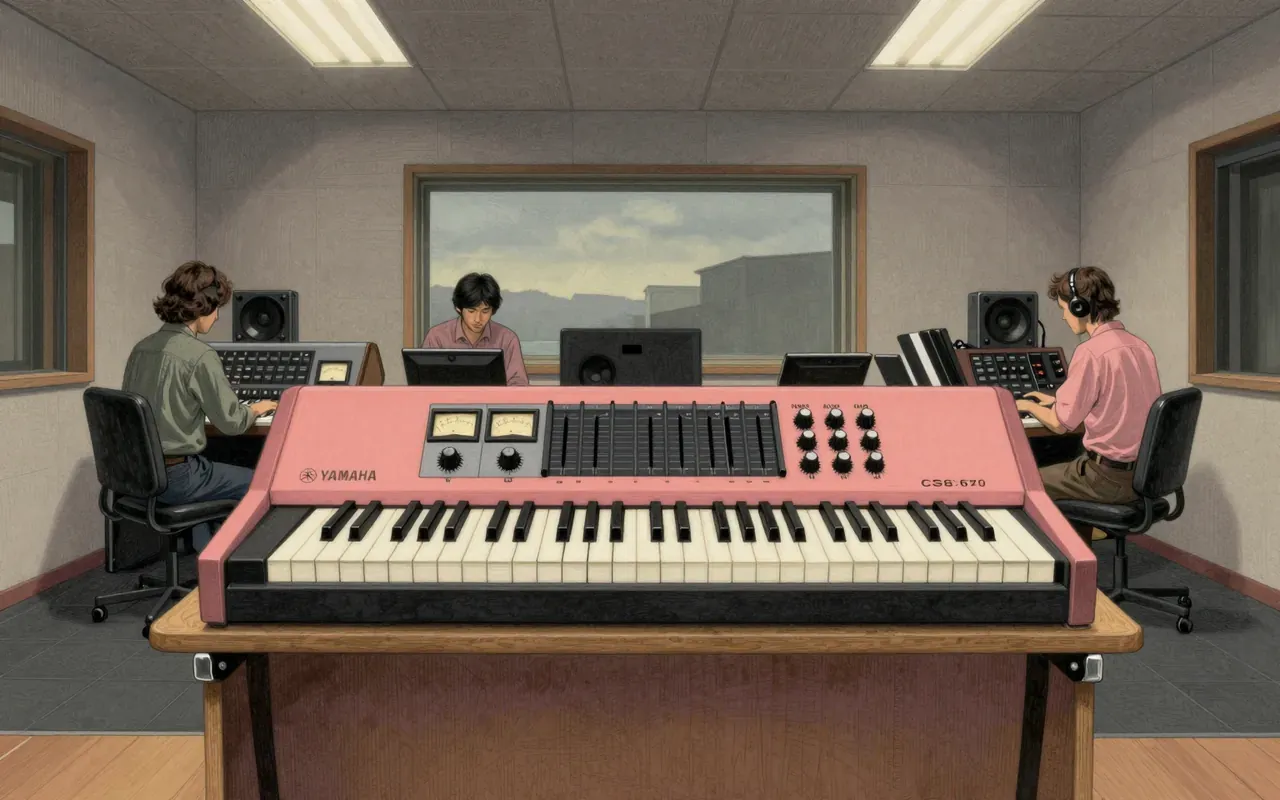
It is a hybrid polyphonic analog synthesizer in keyboard form, built for live chordal textures and ensemble-style pads, not monophonic leads or evolving timbres.
How it works, in terms a player would use
It uses divide-down oscillator technology, like an electronic organ. One master oscillator feeds dividers to generate all notes. There are no per-voice oscillators or filters. You cannot program or save sounds.
What it does better than anything else
It delivers unlimited polyphony — every key pressed sounds, simultaneously, without voice stealing. No other 1975 synth offered that.
What it does badly
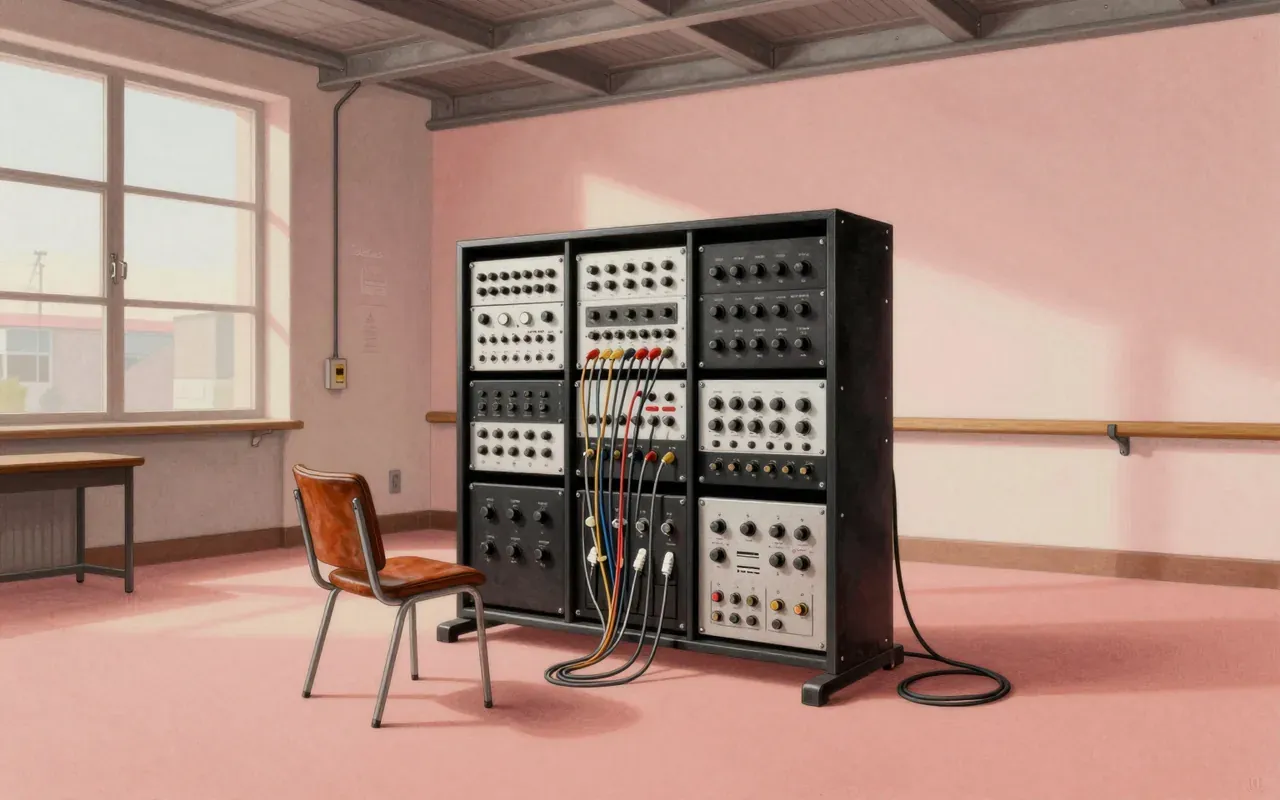
It does not allow per-voice synthesis. You cannot shape individual notes with dedicated filters or envelopes. You cannot store patches. Its programmability is non-existent.
What people made with it
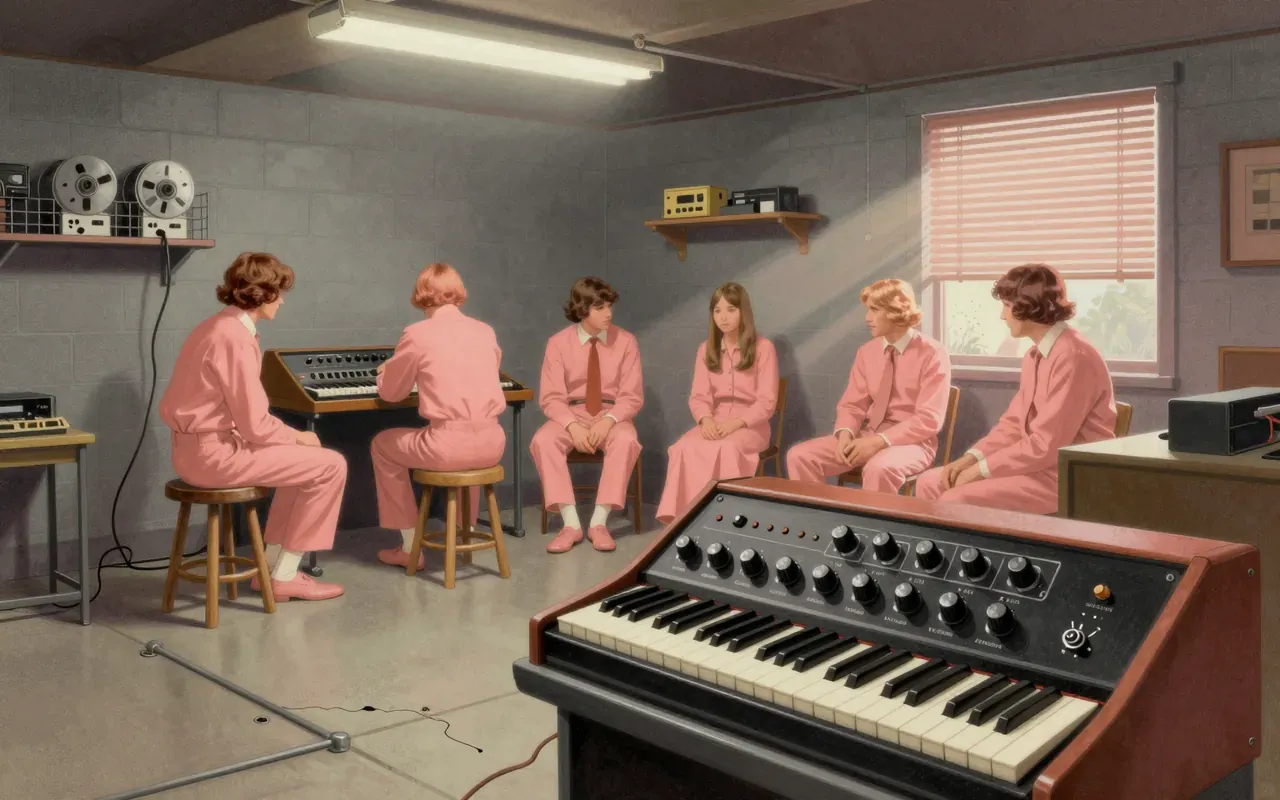
Musicians used it for sustained chords, choir-like pads, and string ensemble layers — textures that benefit from massed, unvaried voices.
Who should use it, and who should not
Use it if you want vintage organ-string hybrid textures and do not need editing, patch memory, or per-note control. Do not use it if you expect subtractive synthesis flexibility or modern workflow.
Is it worth your time
It is worth your time only if you need lush, fixed-polyphonic pads and accept zero sound design flexibility. It does not behave like a modern synth — it behaves like a keyboard with built-in string and choir textures.