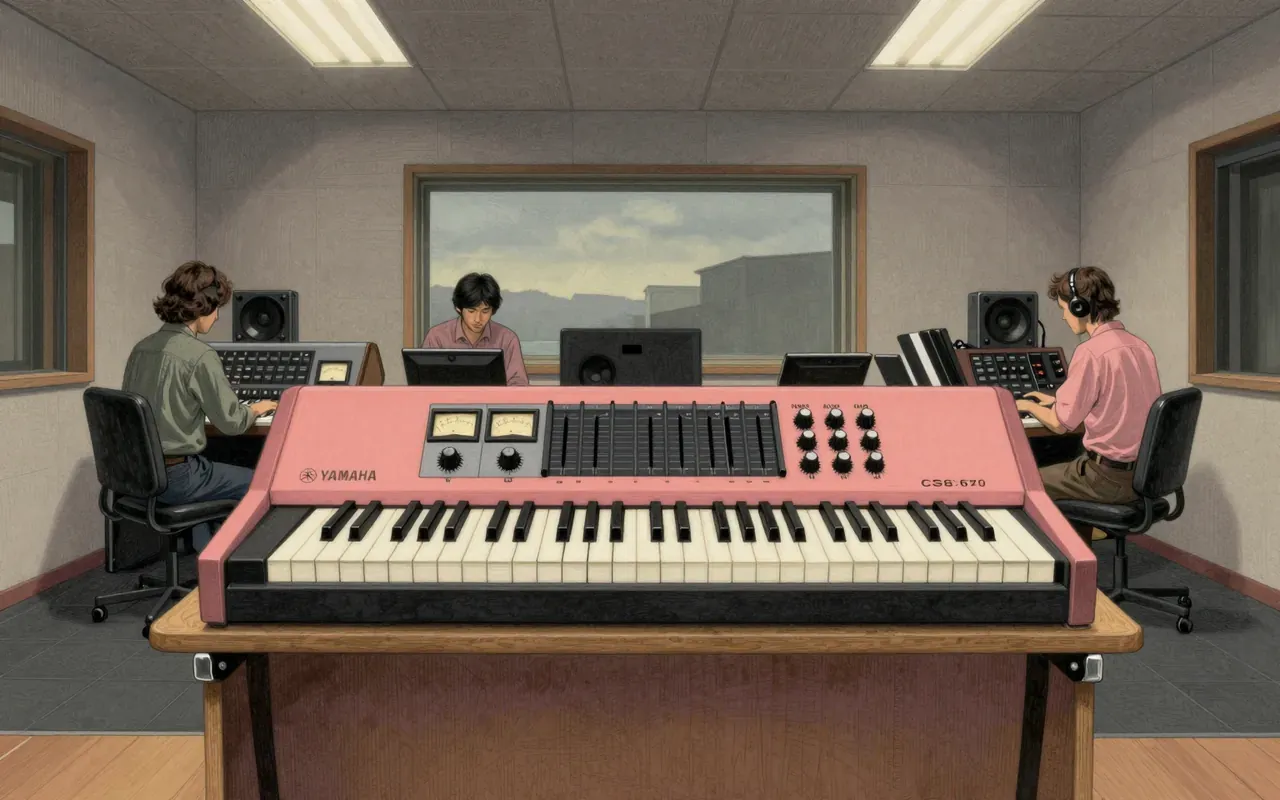
It killed sonic surprise—and made every synth after it obedient.
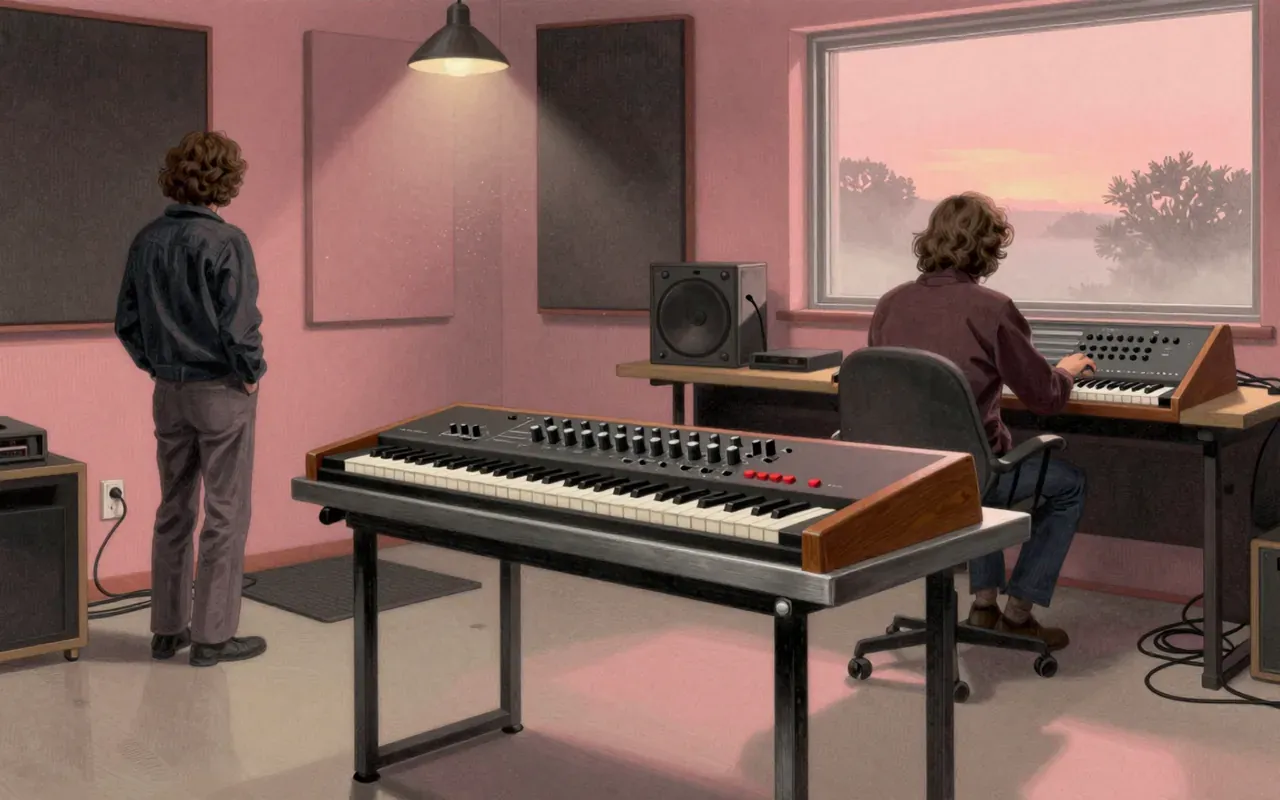
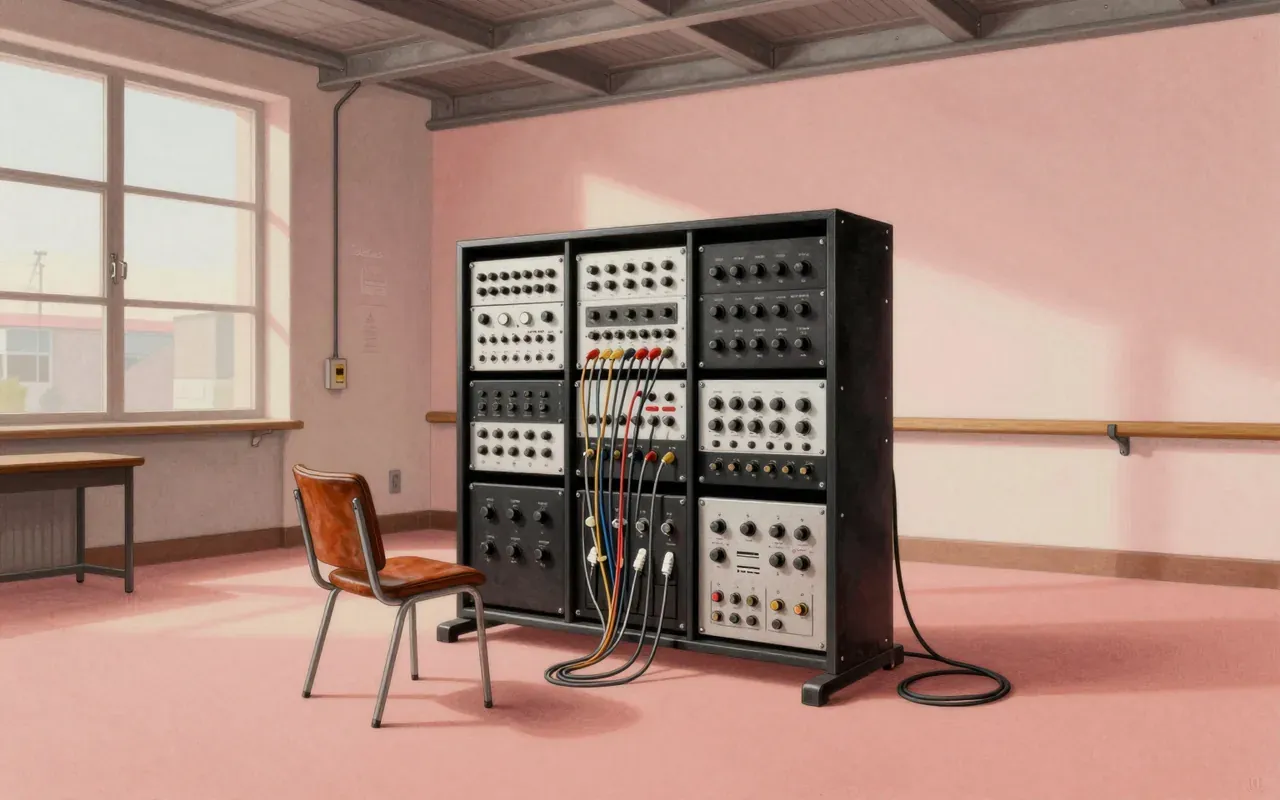
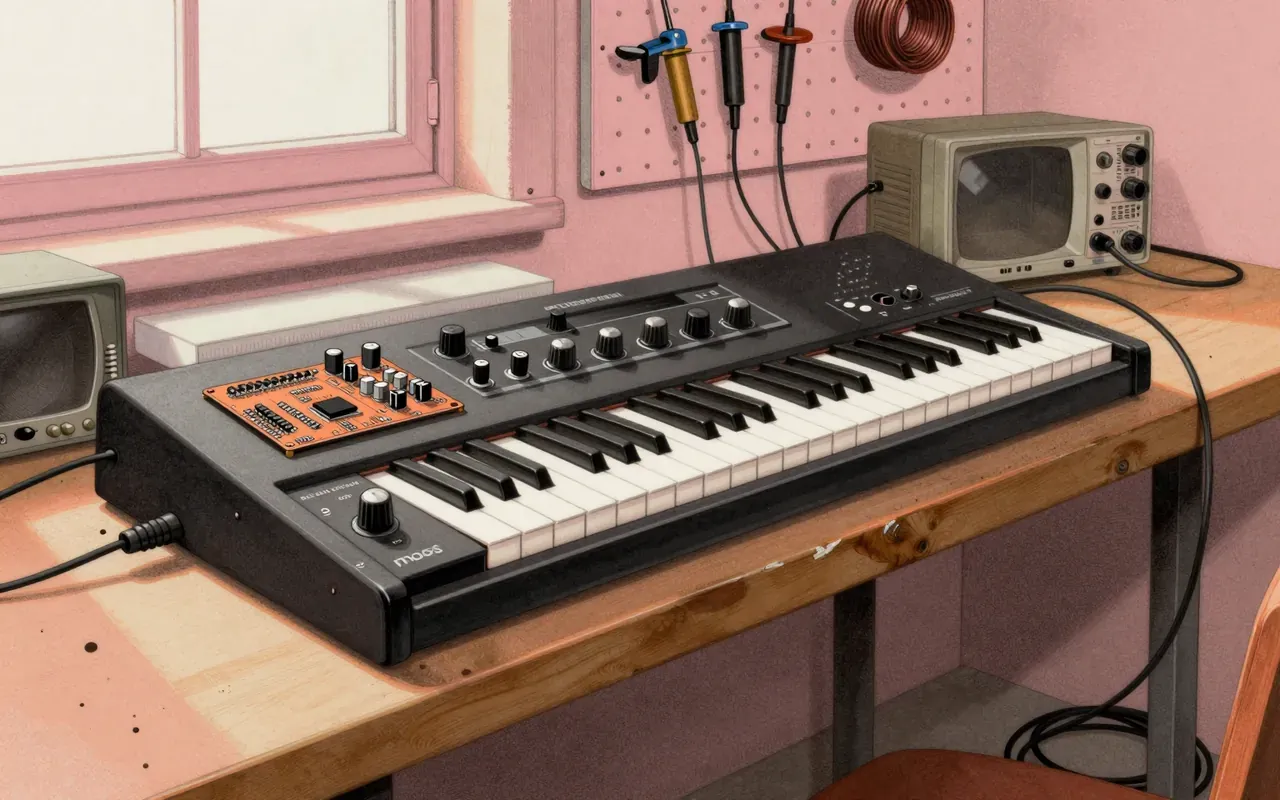
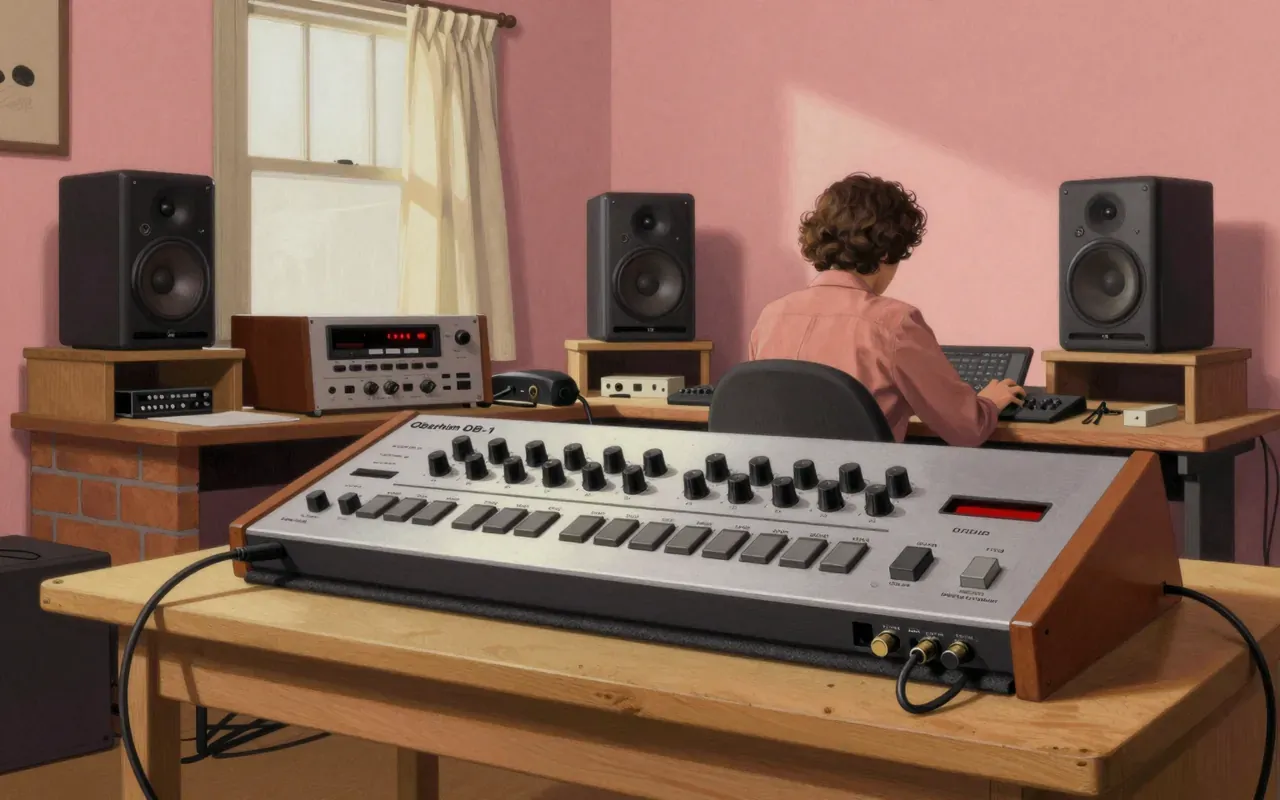
The Prophet-5 is an analog synthesizer manufactured by Sequential Circuits. It was designed by Dave Smith and John Bowen in 1977. It was the first polyphonic synthesizer with fully programmable memory. Before the Prophet-5, synthesizers required users to adjust controls to change sounds, with no guarantee of exactly recreating a sound. Sequential used microprocessors to allow users to recall sounds instantly rather than having to recreate them manually. The Prophet-5 facilitated a move from synthesizers creating unpredictable sounds to producing "a standard package of familiar sounds". Initially, Smith and Bowen developed the Prophet-10, a synthesizer with ten voices of polyphony, meaning it could play up to ten notes simultaneously. Smith and Bowen removed half the electronics, reducing the voices to five and creating the Prophet-5. In 1978, Sequential released the Prophet-5, the first programmable polyphonic synthesizer, which was widely used in the music industry. Whereas previous synthesizers required users to adjust cables and knobs to change sounds, with no guarantee of exactly recreating a sound, the Prophet-5 used microprocessors to store sounds in patch memory.
players who need reliable, repeatable analog polyphony
Skip it if
players who need voice expansion or live sound sculpting
The written brief1 min read
What it is and what it was built for
It is an analog synthesizer built to replace manual sound recreation with programmable memory. It was designed in 1977 by Dave Smith and John Bowen at Sequential Circuits to make synthesis repeatable and predictable.
How it works, in terms a player would use
It stores sounds in patch memory using microprocessors. Players select presets with buttons instead of twisting knobs to rebuild tones manually. It has five voices of polyphony. It is keyboard-formatted.
What it does better than anything else
It recalls sounds instantly and reliably—more consistently than any prior polyphonic analog synth. It delivers standardised, reproducible tones where earlier instruments demanded manual reconfiguration with no guarantee of match.
What it does badly
It cannot recreate the unpredictability of pre-1978 synthesis. It offers no way to vary patches on the fly beyond its stored settings. Its five-voice limit cuts off dense chords or layered textures that ten voices would allow.
What people made with it
It was widely used in the music industry to produce a standard package of familiar sounds—replacing unpredictable timbres with consistent, recallable tones.
Who should use it, and who should not
Players who value preset fidelity and hands-off recall over sonic experimentation should use it. Those who rely on real-time modulation, voice expansion, or non-standard tuning should not.
Is it worth your time
Yes—if you need reliable, repeatable analog polyphony and accept its fixed architecture. No—if you need more than five voices, real-time sound sculpting, or patch variability beyond its memory slots.