It doesn’t add bass — it unlocks fat, defined low-end from gear you already own.
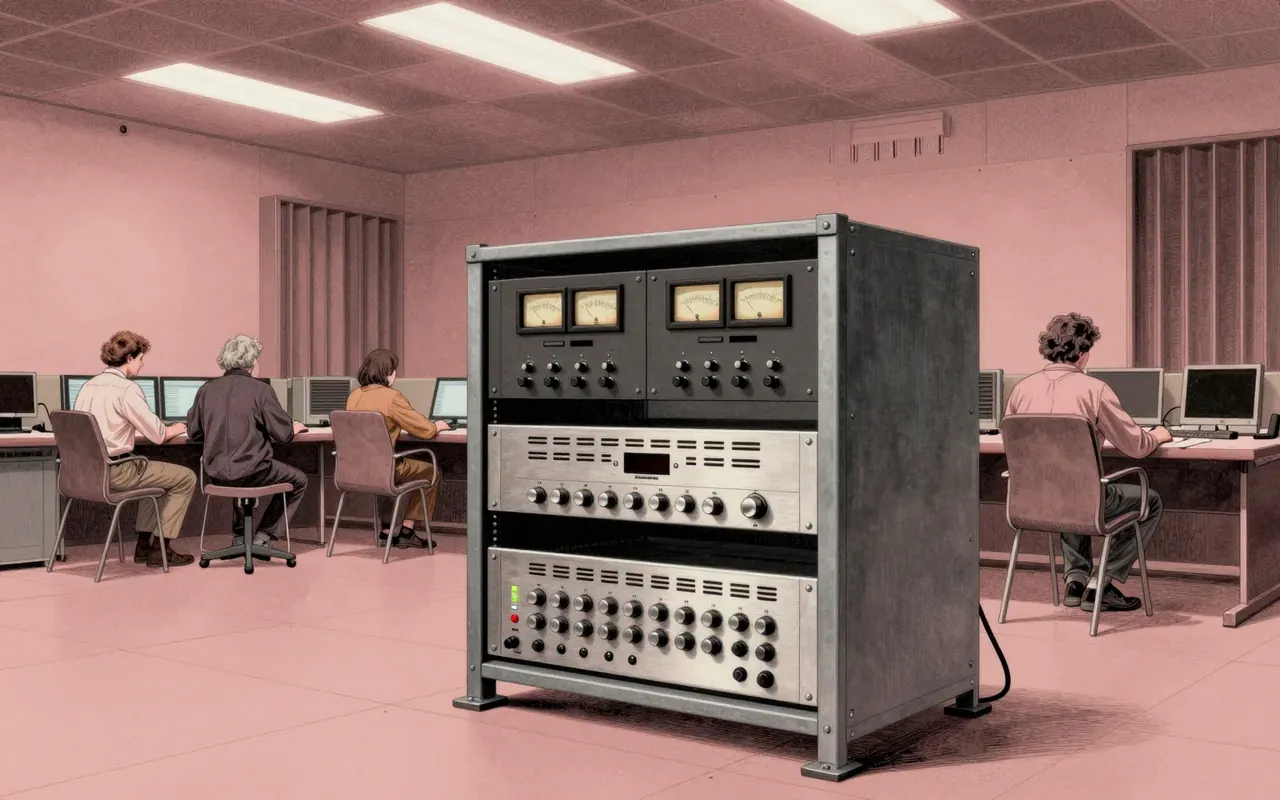
The Aphex 204 Aural Exciter is a two-channel hardware processor that enhances bass tone while preserving attack and avoiding speaker damage. It uses optical low-end enhancement and aural excitation to deliver creamy, fat sound with sleek tone and crystal-clear attack. Users report success in loud live contexts with drums and distorted guitars — the bass remains powerful yet clear and defined. It pulls clean, fat low-end from existing bass amplifiers and speakers, eliminating the need for bulky speaker upgrades. It does not address midrange or high-frequency detail beyond attack preservation. Bass players using standard rigs in loud live settings should use it. Studio engineers seeking surgical EQ or harmonic control should not.
It was bought to make bass fat without losing attack or blowing speakers.
2:12
How the two circuits work together
Optical low end and aural excitation combine for creamy fat tone and crystal-clear attack.
3:34
Live-tested clarity
With drums and noisy guitarists, the bass rumbles like a mammoth but stays clear and defined.
4:58
No new hardware needed
It pulls clean, fat low-end from existing bass amps and speakers — no 8x10" cabinet required.
Worth your time?
Yes. Use the whole thing.
4/ 5
What works
delivers defined, powerful low-end in loud live contexts
pulls clean, fat low-end from existing bass amps and speakers
What does not
replace speaker upgrades for extended sub-bass response
add midrange or high-frequency detail beyond attack preservation
Use it if
bass players using standard rigs in loud live settings
Skip it if
studio engineers seeking surgical EQ or harmonic control
The written brief1 min read
What it is and what it was built for
The Aphex 204 Aural Exciter is a two-channel hardware processor built to enhance bass tone while preserving attack and avoiding speaker damage.
How it works, in terms a player would use
It processes bass signals through two parallel circuits: optical low-end enhancement and aural excitation. It has two channels, so it works with stereo gear or bi-amped systems.
What it does better than anything else
It delivers defined, powerful low-end in loud live contexts — especially with drums and distorted guitars — without muddiness or speaker stress.
What it does badly
It does nothing for midrange or high-frequency detail beyond the attack it preserves. It does not replace speaker upgrades for extended sub-bass response.
What people made with it
Players used it to achieve creamy, fat bass tones with crystal-clear attack — tones described as something ‘Mr Jah Wobble would dream about’.
Who should use it, and who should not
Bass players using standard rigs in loud live settings should use it. Studio engineers seeking surgical EQ or harmonic control should not.
Is it worth your time
Yes — if you need clean, fat low-end from existing bass amps and speakers without adding bulk or cost.