It tells you the truth — even when you’d rather it didn’t.
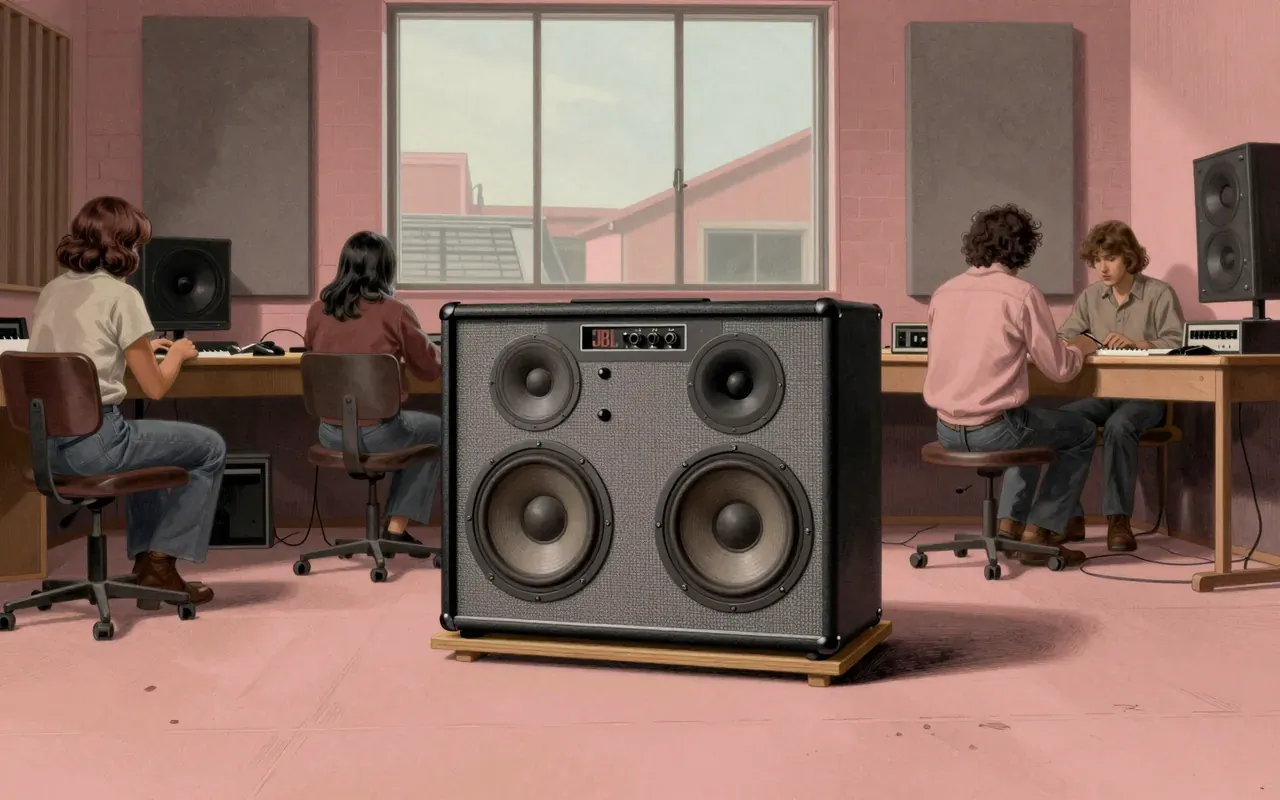
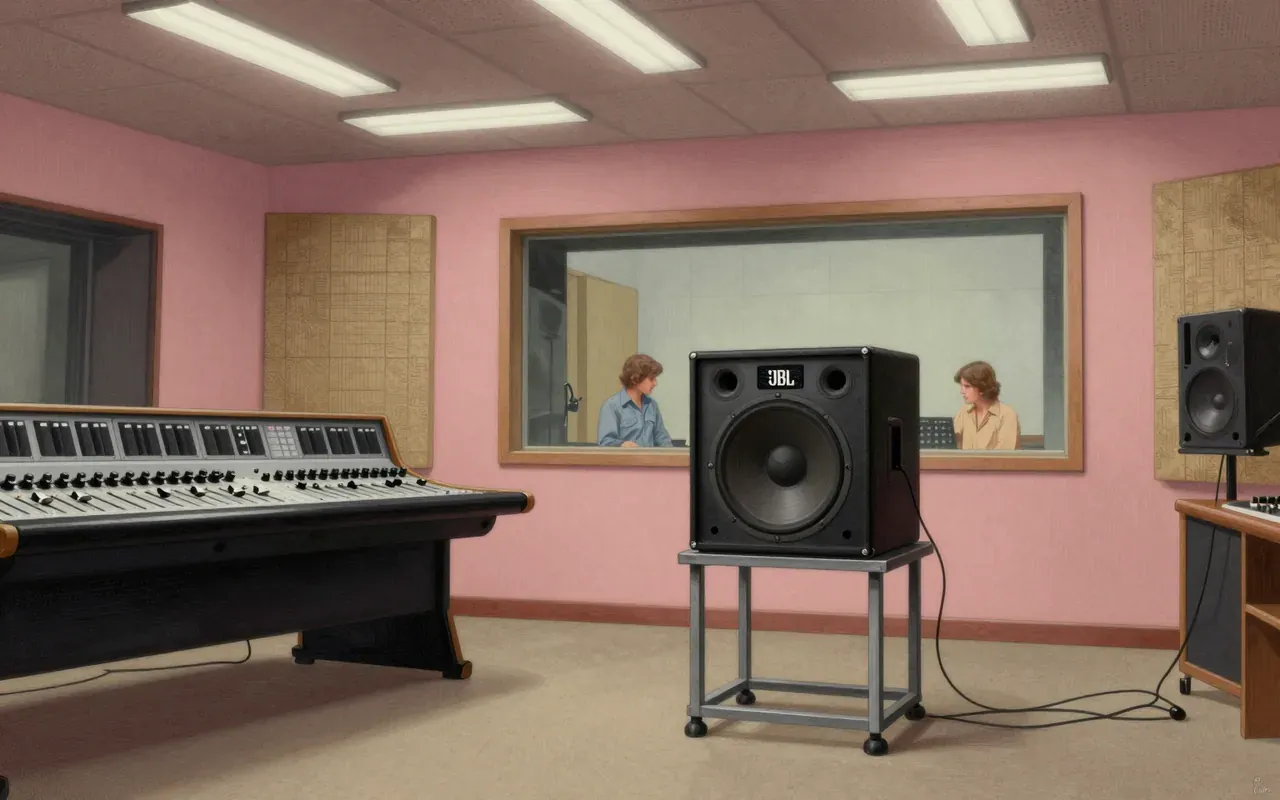
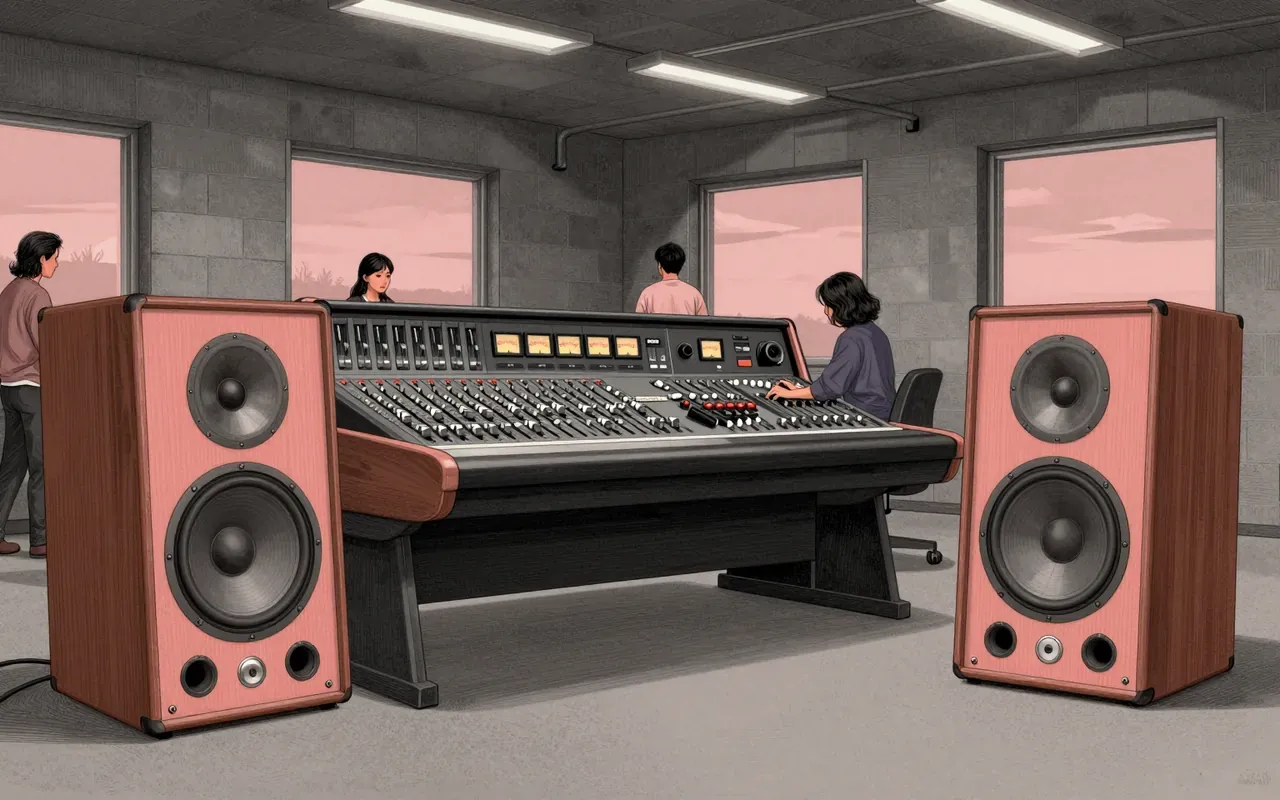
The JBL 4311 is an active monitor built for accuracy, not appeal. Its adjustable treble and midrange controls let users tailor response without EQ. It delivers neutral, powerful, precise, and dynamic sound — but only when driven with sufficient gain. Its frequency curve avoids bass saturation and flattery, making it reliable for critical listening across playback systems. Users acquired it in Germany in 1979 and in studio trades by 1983. It belongs in rooms where truth matters more than comfort.
Two buttons at the baffle base let you adjust treble and midrange on the fly.
2:06
Gain-Dependent Accuracy
Neutral, powerful, precise, and dynamic — but only when driven with enough gain.
3:42
No Flattery, No Lies
Its neutrality prevents deception when switching to other speakers later.
5:14
Studio-Tested Since '83
It was in studio service by 1983 — traded from a bankrupt facility.
Worth your time?
Yes. Use the whole thing.
4.5/ 5
What works
as a reference monitor
in domestic HiFi setups demanding neutrality
in studio environments requiring translation fidelity
What does not
flatter
deceive
mask
Use it if
engineers
critical listeners
studio users
Skip it if
casual listeners
those seeking warmth
bedroom producers prioritising convenience over accuracy
The written brief1 min read
What it is and what it was built for
The JBL 4311 is an active monitor speaker built for both domestic HiFi and studio use, designed for critical listening.
How it works, in terms a player would use
It is an active monitor with adjustable treble and midrange controls via two buttons at the bottom of the baffles. It delivers neutral, powerful, precise, and dynamic sound when driven with sufficient gain.
What it does better than anything else
It avoids deception in later listening on other speakers better than flattering monitors, due to its neutral frequency curve and lack of bass saturation.
What it does badly
It does not flatter the source — which is intentional — so it reveals flaws in recordings and playback systems that other speakers might mask.
What people made with it
People used it in studios from at least 1983, including one user who acquired units via trade from a bankrupt studio.
Who should use it, and who should not
It suits engineers and listeners who prioritise accuracy over comfort. It does not suit those seeking warm, forgiving, or euphonic playback.
Is it worth your time
It is worth your time if you need a non-flattering reference speaker for critical listening in domestic or studio contexts.