9:30 in production Ch. 1 · What It Sounds Like / 9:30 · ceiling 15 min
Studio & recording · Mixing & mastering JBL 4310
Bruce Swedien called the 4311 'pure dog-doo'—because the 4310 told the truth.
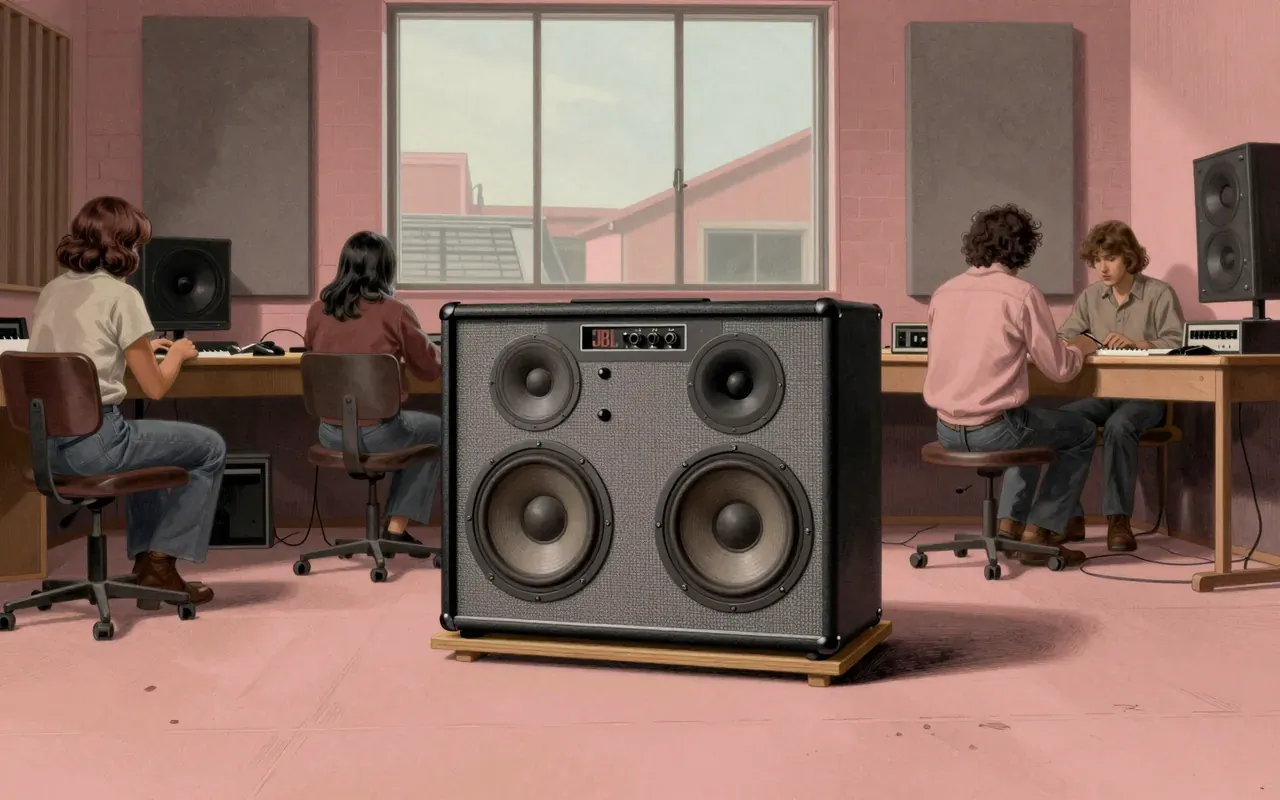
The JBL 4310 is an active studio monitor built for truth-telling. Its neutral and linear sound reveals flaws. It needs an external amp. Bruce Swedien preferred it over the 4311—so much that he dismissed the latter as 'pure dog-doo'.
Chapters & takeaways 4
0:51 What It Sounds Like
Neutral and linear sound is its design goal—and its operating reality.
2:26 How It Responds To Power
It sounds like a pure delight when driven by the right amplifier.
4:17 Why Swedien Chose It
Bruce Swedien rejected the 4311 outright—because the 4310 was the only monitor he trusted.
5:41 The 4310 vs 4311 Divide
Confusing it with the 4311 is a fundamental error—not a stylistic preference.
Worth your time?
Yes. Use the whole thing. 4.5 / 5
What works audio/studio audio/studio-and-recording audio/mixing-and-mastering What does not audio/daws-and-software audio/dj-gear audio/effects-and-pedals audio/guitars-and-amps Use it if audio/studio-and-recording audio/mixing-and-mastering Skip it if audio/headphones-and-hi-fi audio/sound-design-and-sampling The written brief 1 min read
What it is and what it was built for
The JBL 4310 is an active studio monitor built for critical listening in professional recording environments.
How it works, in terms a player would use
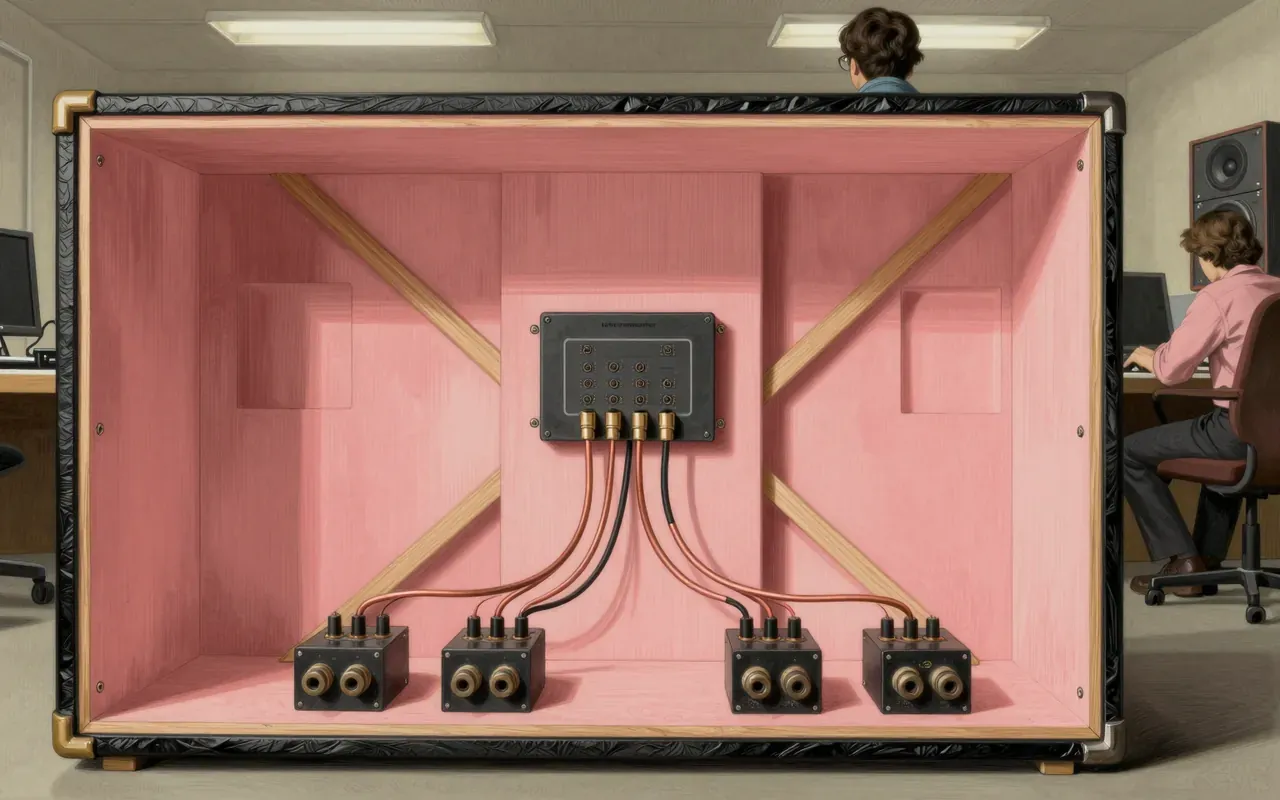
It is an active monitor. It requires an external amplifier. It delivers sound with neutral and linear response.
What it does better than anything else
It renders source material with greater neutrality and linearity than the JBL 4311, according to Bruce Swedien.
What it does badly
It does not flatter recordings. It does not mask flaws. It offers no built-in EQ or processing.
What people made with it
Bruce Swedien used it while working on Michael Jackson’s Thriller.
Who should use it, and who should not
Audio engineers who value transparency over euphony should use it. Listeners seeking immersive or coloured playback should not.
Is it worth your time
Yes—if you need a studio monitor that reveals what is in the mix without colouration. No—if you want warmth, bloom, or room-filling bass extension.
Same bench · Studio & recording 4 of 146