audiobriefs
8:35in productionCh. 1 · Bi-amp only/ 8:35 · ceiling 15 min
Studio & recording · Mixing & mastering

JBL 4350

It is not a speaker — it is a room calibration project with drivers.

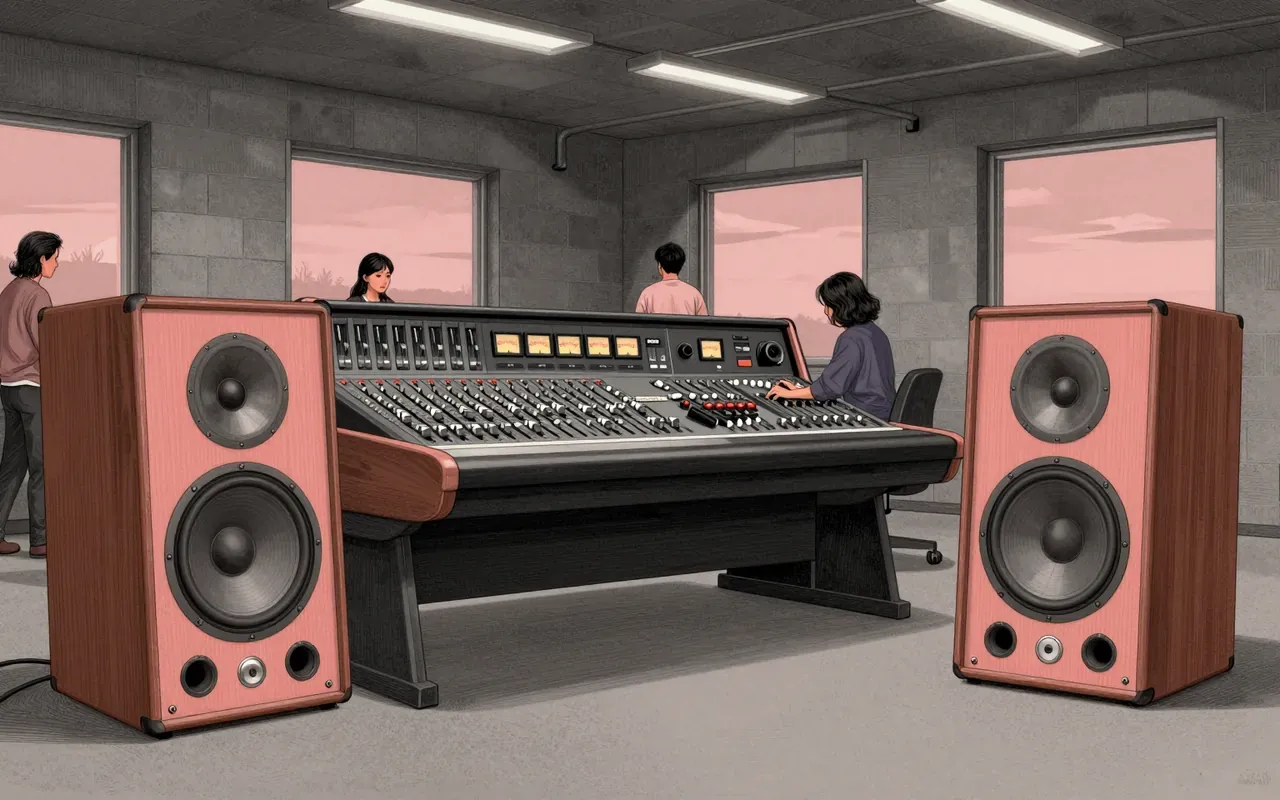
The JBL 4350 is a passive studio monitor requiring bi-amplification, offering no passive filter adjustments, and demanding extensive room integration and speaker placement. It is physically imposing and highly detailed in sound reproduction. It is not turnkey-ready.

Chapters & takeaways4
  1. 0:41
    Bi-amp only

    It will not work with one amplifier.

  2. 2:10
    No tweakable crossover

    No passive filter adjustments exist.

  3. 3:35
    Room first, speaker second

    Room integration and speaker placement dominate the setup.

  4. 5:02
    Not plug-and-play

    It is not turnkey-ready.

Worth your time?

Yes. Use the whole thing.

3.5/ 5
What works
  • delivers highly detailed sound reproduction
  • forces rigorous attention to speaker placement and room response
What does not
  • work with a single amplifier
  • offer passive filter adjustments
  • function without precise room integration
Use it if
  • engineers with bi-amp rigs and acoustic measurement tools
Skip it if
  • anyone without bi-amplification infrastructure or room treatment capability
The written brief1 min read

What it is and what it was built for

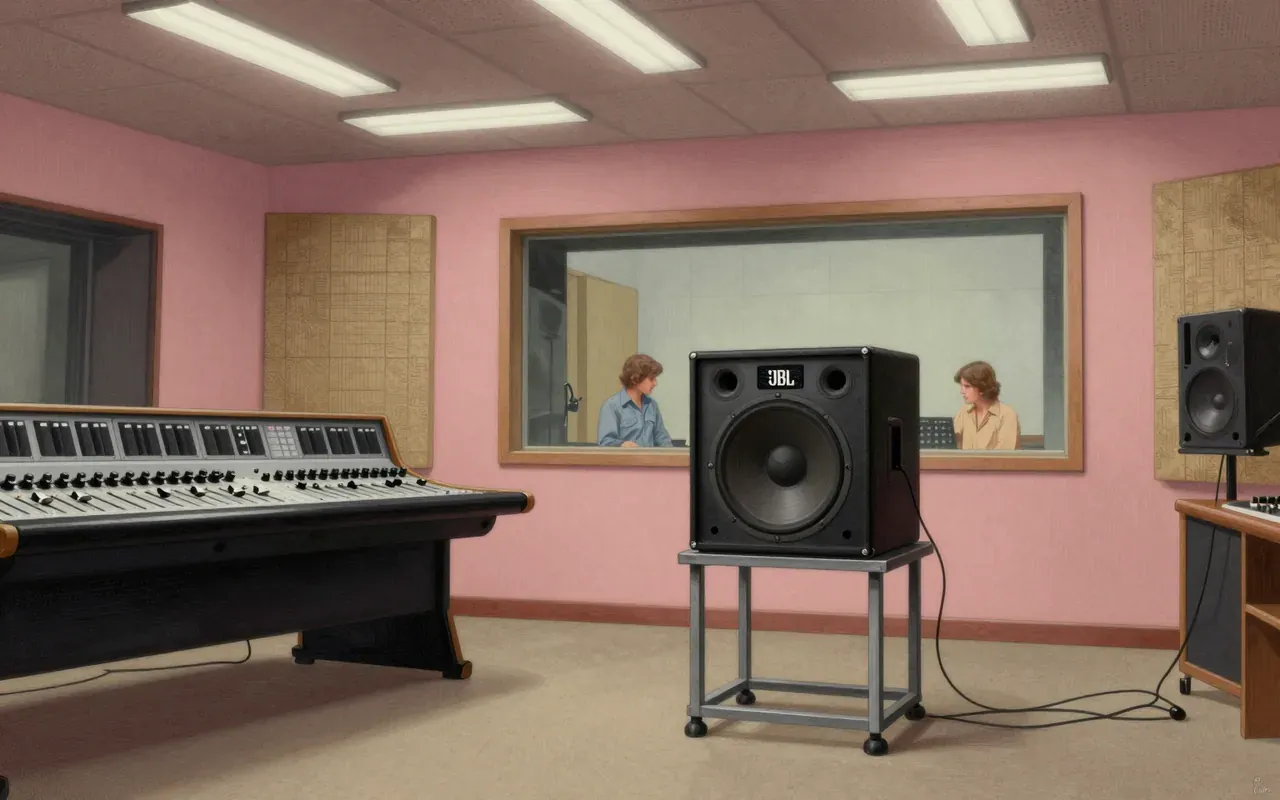
The JBL 4350 is a large-format passive studio monitor built for professional audio environments where bi-amplified signal paths and deep room integration are standard practice.

How it works, in terms a player would use

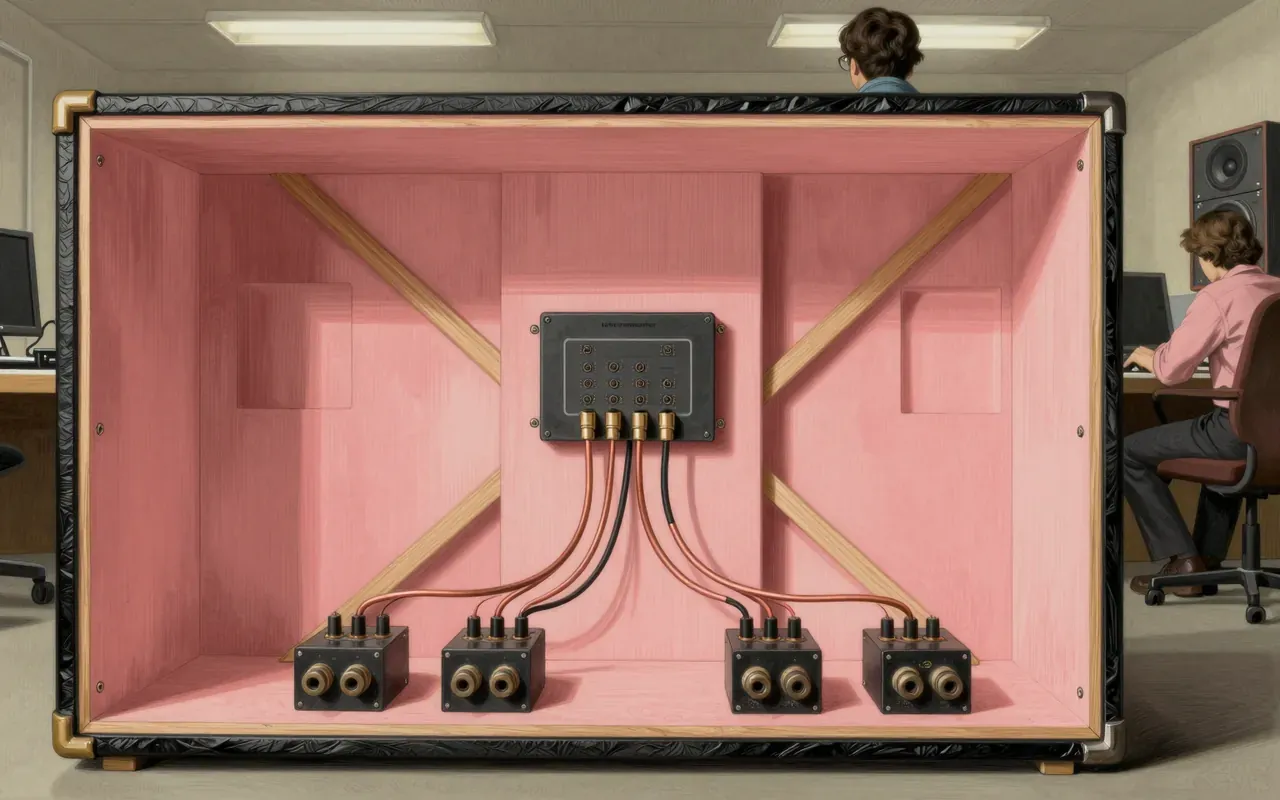
The JBL 4350 is a passive studio monitor. It requires two separate amplifiers — one for the low-frequency driver, one for the high-frequency driver. There are no controls to adjust the passive crossover. Room integration and speaker placement must be exact. It does not work out of the box.

What it does better than anything else

It delivers highly detailed sound reproduction. Its physical scale and passive design yield a level of transient clarity and spatial definition that simpler monitors withhold.

What it does badly

It does badly at accessibility. It cannot be driven by a single amplifier. Its passive filter has no user adjustments. It forces long setup cycles and demands precise room relationships.

What people made with it

The sources do not state what people made with it.

Who should use it, and who should not

Studio engineers with bi-amp rigs, acoustic measurement tools, and patience for iterative placement should use it. Anyone without those resources should not.

Is it worth your time

It is worth your time only if you have bi-amplification infrastructure, acoustic expertise, and hours to invest in positioning and room treatment. It offers no shortcuts.
Same bench · Studio & recording4 of 146
Up next in Audio

JBL 4430

JBL · 8:19

Neutral horn, wide stage, no top-end finesse — the 4430 trades precision for stability.

8:19