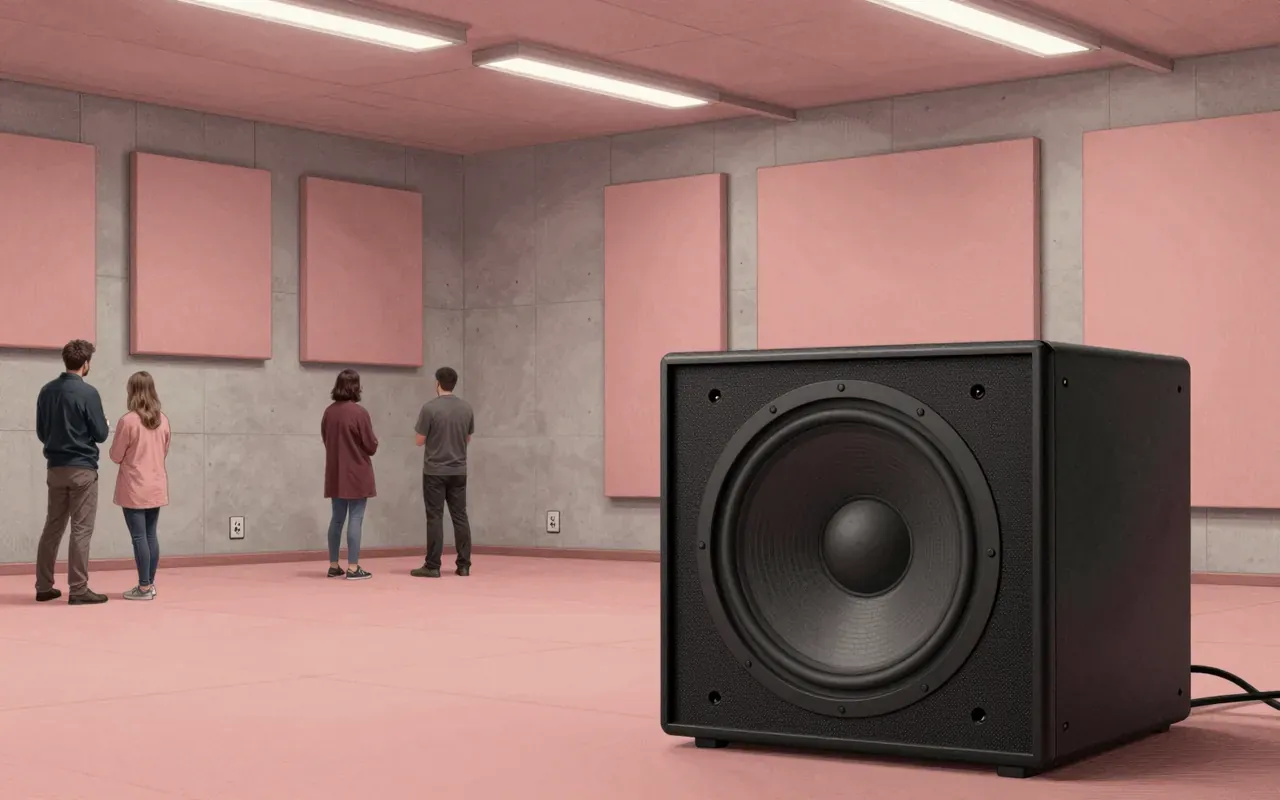
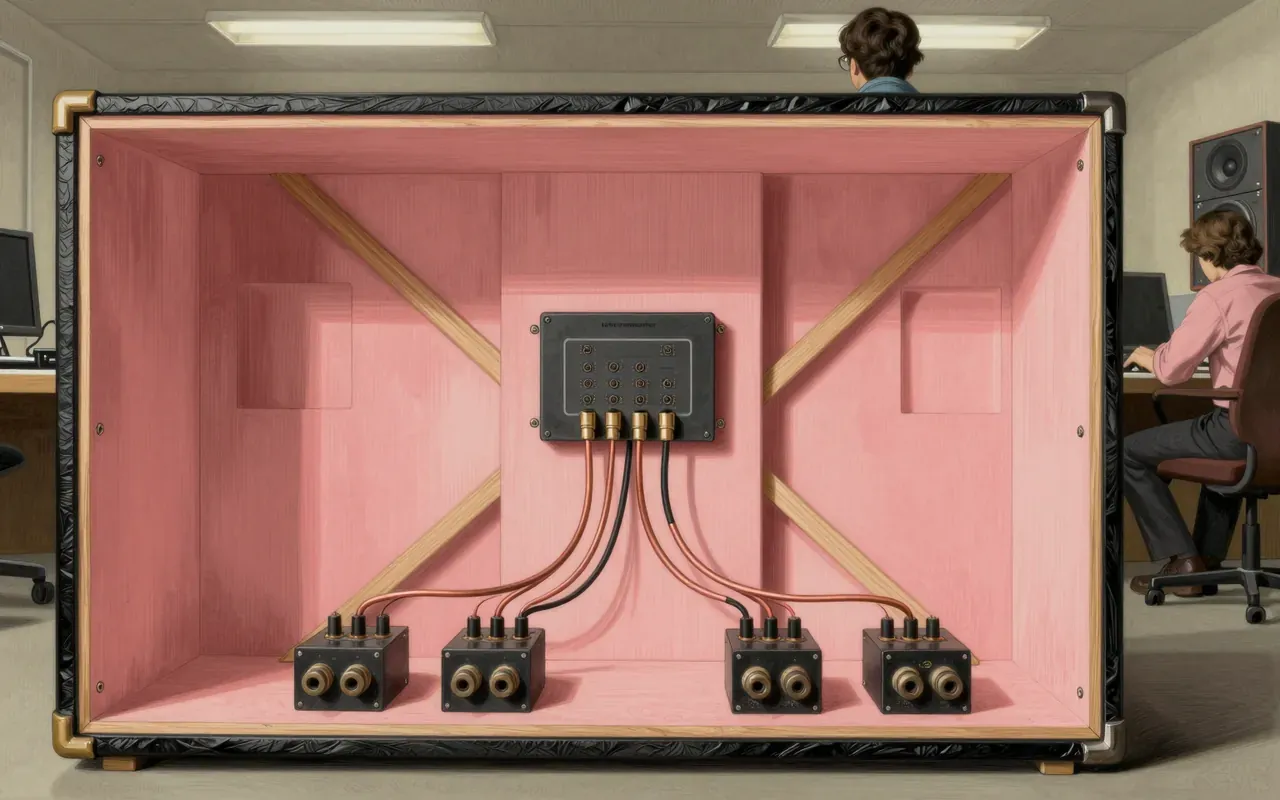
Neutral horn, wide stage, no top-end finesse — the 4430 trades precision for stability.
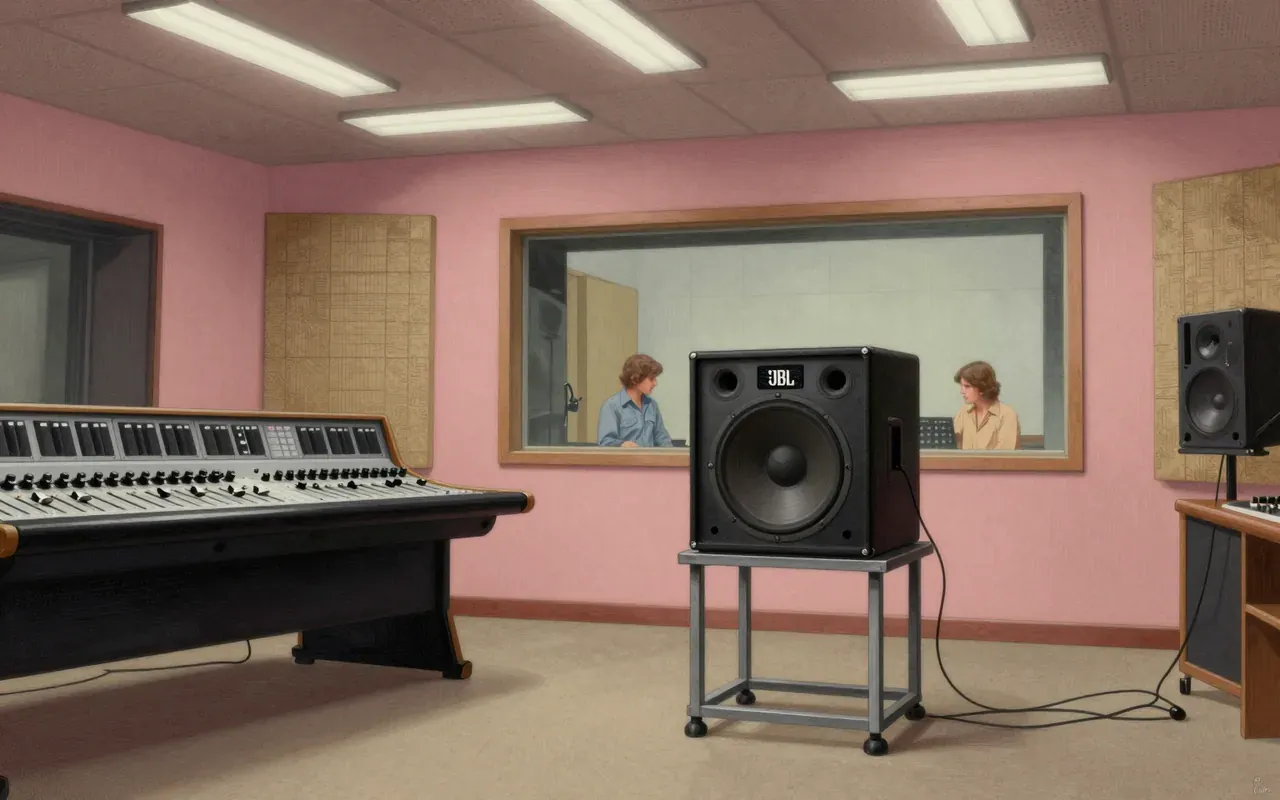
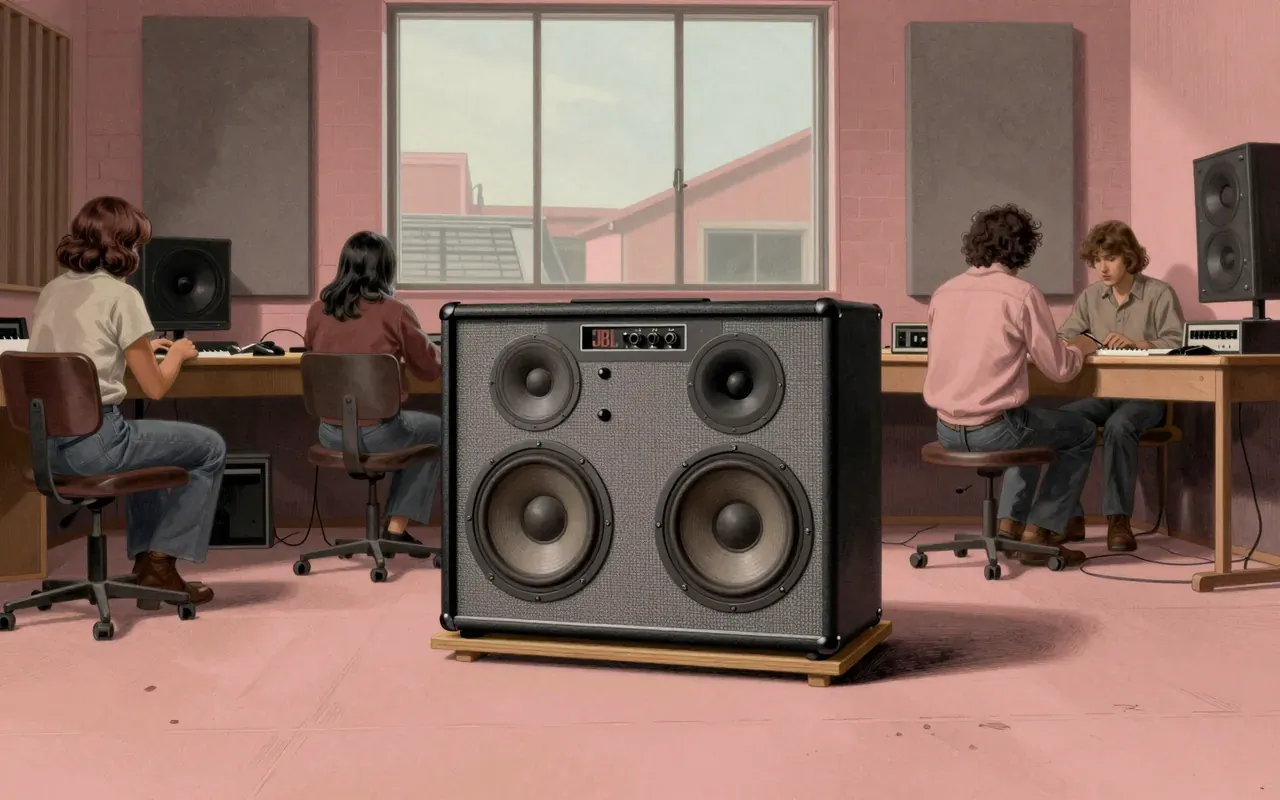
The JBL 4430 is a 2-way active monitor built for studio monitoring. It delivers stable, wide, non-directional dispersion and excellent overall homogeneity. Its horn is more neutral than predecessors like the 4331 and L200 — eliminating long repetitive directional artifacts. It lacks the top-end finesse of the 2405 tweeter. Bi-amplification enables sonic evolution, but mechanical decoupling from the floor is mandatory. It was produced continuously for 20 years with iterative hardware updates: the 1-inch compression driver shifted from aluminum diaphragm and alnico magnets to titanium and ferrite. Each unit supports up to 80 kg.
users unable to isolate units from floor vibration
The written brief1 min read
What it is and what it was built for
The JBL 4430 is a 2-way active monitor built for studio monitoring. It was produced continuously for 20 years without a model name change.
How it works, in terms a player would use
It is a 2-way active monitor with bi-amplification capability. It has sparse adjustments for the mid-high frequency filter on the compression driver. Each unit supports up to 80 kg. Mechanical decoupling from the floor is required for optimal acoustic performance.
What it does better than anything else
It delivers better neutrality in its horn than earlier 2-way predecessors like the 4331, L200, and pro-fi versions — eliminating long repetitive directional artifacts.
What it does badly
It lacks the top-end finesse of the JBL 2405 tweeter. Its compression driver does not deliver the same articulation at the highest frequencies.
What people made with it
People used it for professional audio monitoring where stable soundstage and wide dispersion were prioritised over extreme high-frequency detail.
Who should use it, and who should not
Studio engineers who value consistency, wide coverage, and iterative hardware refinement should use it. Anyone needing surgical high-frequency analysis or portability should not.
Is it worth your time
It is worth your time if you need stable, wide, non-directional dispersion and consistent homogeneity across long sessions — but only if you can isolate it from structural vibration and accept its lack of top-end finesse.