audiobriefs
9:34in productionCh. 1 · Three Knobs. Zero Compromise./ 9:34 · ceiling 15 min
Effects & pedals · Guitars & amps

Ibanez AD9 Analog Delay

Warm, clean, and ruthlessly simple — the AD9 gives you analog echo without options, and that’s exactly why it works.

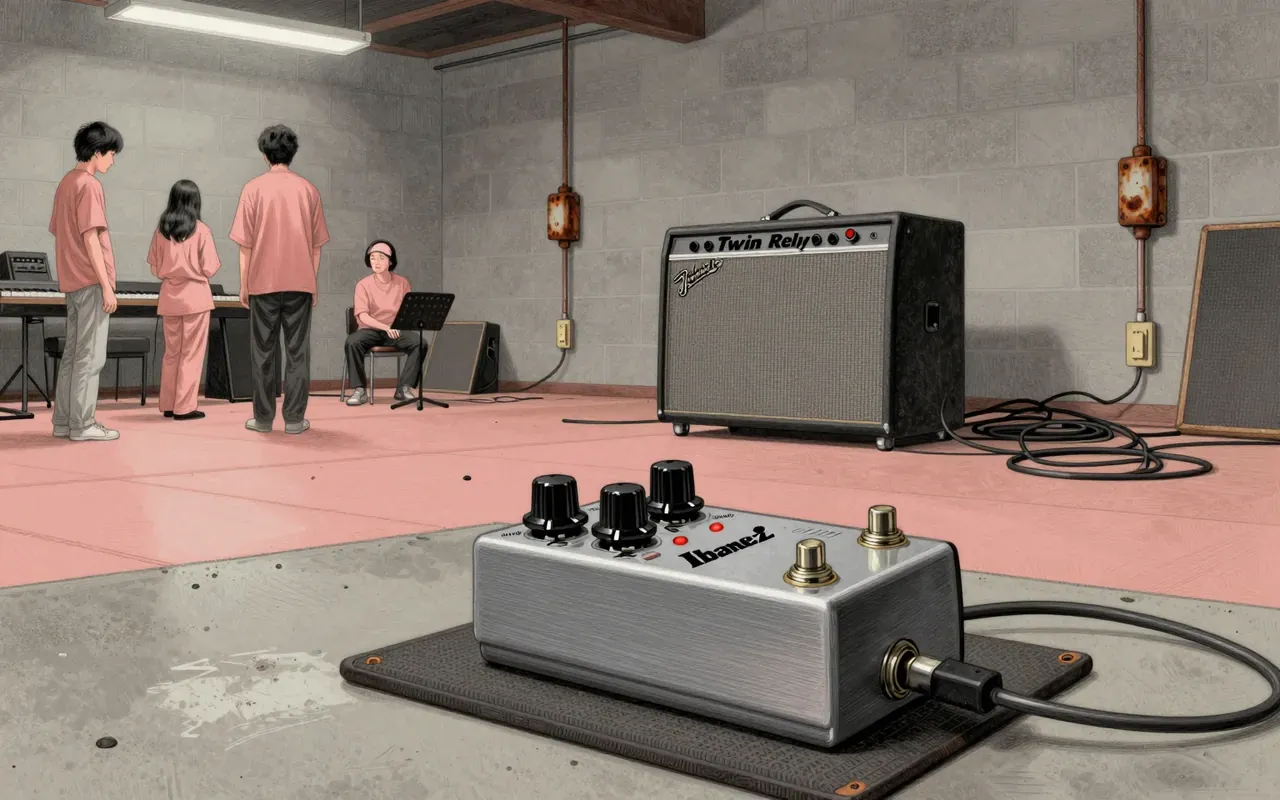
The Ibanez AD9 is a stripped-down analog delay pedal that prioritises warmth and clarity over features. Its compander-based signal path delivers clean repeats up to 300 ms. It has no tone control, no modulation, no tap tempo, and no stereo capability. It suits players who want a dependable, affordable analog echo — not a Swiss Army knife.

Chapters & takeaways4
  1. 0:59
    Three Knobs. Zero Compromise.

    Three knobs do everything: time, repeats, and level — with no runaway feedback.

  2. 2:34
    Clean Analog, Not Just Warm

    A compander with pre- and de-emphasis keeps the echo clean across its 20–300 ms range.

  3. 4:12
    Dry Out, Delay Out

    Dry and delayed signals go to separate 1/4" outputs — no mixing required.

  4. 6:06
    Stomp Box, Not Studio Gear

    9V battery or adapter only — no rack mount, no external power brick, no frills.

Worth your time?

Yes. Use the whole thing.

4/ 5
What works
  • delivers clean analog echo
  • prevents runaway feedback reliably
  • separates dry and delayed signals
What does not
  • offer tone shaping
  • support long delays
  • include modulation
Use it if
  • guitarists wanting warm slap-back
  • players valuing simplicity
Skip it if
  • producers needing rhythmic doubling
  • engineers requiring stereo routing
The written brief1 min read

What it is and what it was built for

The Ibanez AD9 is a discontinued analog delay pedal in stomp-box format, built for guitar but usable with any electronic instrument. It was designed for straightforward, warm echo effects — especially slap-back — not complex sound design.

How it works, in terms a player would use

It has three knobs: time, repeats, and level. It routes dry and delayed signals to separate 1/4” outputs. It uses a compander with pre- and de-emphasis to keep the delay clean. It runs on 9V power — battery or adapter — and fits underfoot as a stomp box.

What it does better than anything else

It delivers a warm, organic analog echo with exceptional clarity for its class — thanks to the compander and pre-/de-emphasis — at a lower price than alternatives like the Maxon AD9 or Moog Analog Delay.

What it does badly

It offers no tone control, no modulation, no tap tempo, and no way to shape the decay character of repeats. Its maximum delay is too short for rhythmic doubling or atmospheric washes.

What people made with it

Players used it to add depth and space to clean guitar lines, thicken rhythm parts with tight repeats, and create vintage-sounding echoes without digital artefacts.

Who should use it, and who should not

Guitarists who want a no-frills, warm analog echo pedal with reliable feedback control and separate dry output. Not for producers needing long delays, modulation, or multi-tap patterns.

Is it worth your time

Yes, if you need warm, organic slap-back or short ambient repeats and value simplicity over flexibility. No, if you need delay times beyond 300 ms, tonal shaping, or stereo routing.
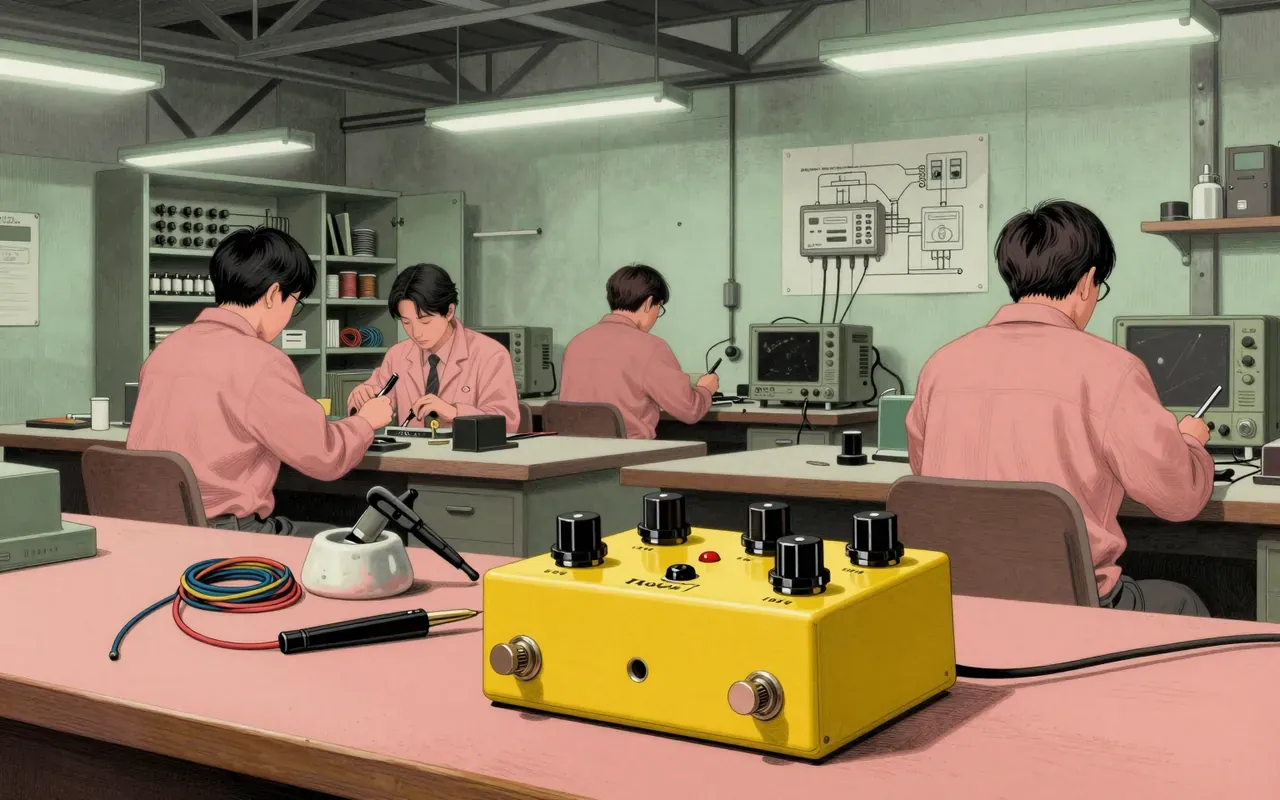
Same bench · Effects & pedals4 of 121
Up next in Audio

Alembic Series I

Alembic · 9:08

It gives you total tonal command—and breaks if you sneeze.

9:08