audiobriefs
9:08in productionCh. 1 · Analog, not algorithmic/ 9:08 · ceiling 15 min
Effects & pedals · Guitars & amps

Ibanez FL9 Flanger

A non-true-bypass analog flanger that never lets your guitar sound untouched — and that’s its only flaw.

The Ibanez FL9 Flanger is an analog stompbox flanger pedal for guitar. It delivers swooshing phase-based effects via four knobs: Speed, Regen, Width, and Delay Time. It is not true bypass, so it colours the signal even when disengaged. It does not claim to be anything else — no digital emulation, no stereo outputs, no expression input, no presets.

Chapters & takeaways4
  1. 0:55
    Analog, not algorithmic

    It is an analog flanger pedal — not digital, not multi-effect, not a rack unit.

  2. 2:06
    Four knobs, one swoosh

    Four knobs — Speed, Regen, Width, Delay Time — give direct, physical control over the flanging effect.

  3. 3:39
    Always in the chain

    It changes your tone even when off — no true bypass means no signal neutrality.

  4. 5:28
    Swooshing, not swirling

    It makes swooshing phase-based effects — nothing more, nothing less.

Worth your time?

Yes. Use the whole thing.

3.5/ 5
What works
  • swooshing phase-based effects
  • direct control over flanging parameters
What does not
  • true bypass
Use it if
  • guitarists who want analog flanging texture
  • players comfortable with non-true-bypass pedals
Skip it if
  • players who require pristine dry-signal integrity
  • those building complex true-bypass pedalboards
The written brief1 min read

What it is and what it was built for

The Ibanez FL9 Flanger is an analog stompbox flanger pedal built for guitarists who want classic swooshing phase-based effects.

How it works, in terms a player would use

It is an analog flanger pedal with four knobs: Speed, Regen, Width, and Delay Time. These controls shape a swooshing phase-based effect. It is not true bypass, so it alters the guitar signal even when switched off.

What it does better than anything else

It does better than most budget analog flangers at delivering immediate, tactile control over the core parameters of flanging — speed, regeneration, width, and delay time — in a single stompbox.

What it does badly

It does badly at preserving the dry signal. Its non-true-bypass design imposes a slight tonal change on the input signal at all times, whether engaged or not.

What people made with it

The sources do not state what people made with it.

Who should use it, and who should not

Guitarists who prioritise analog flanging texture and are comfortable routing through a non-true-bypass pedal should use it. Players who demand pristine dry-signal integrity or rely on complex pedalboard signal chains with strict bypass discipline should not.

Is it worth your time

It is worth your time if you need an analog flanger with hands-on control over swooshing depth, jet intensity, and modulation character — but only if you accept its always-present tonal shift.
Same bench · Effects & pedals4 of 121
8:21
Ibanez Tube Screamer TS808IbanezThe Ibanez TS808 Tube Screamer Reissue is an analog overdrive pedal in the Tube Screamer series. It has three knobs: tone, level, and overdrive. It uses the JRC4558 chip. It runs on a 9-volt battery or AC adapter. Its metal housing is 4.9" x 2.8" x 2" and weighs just over a pound. It delivers warm, smooth, mid-heavy overdrive suited for solos and blues-rock—not high-gain riffing. It is very strongly built.
8:54
DigiTech Space Station XP300DigiTechA fixed-function digital floor pedal for guitar. Eight synth-effects deliver octave, fifth and third on demand. No editing. No true bypass. An always-on preamp degrades tone even when off. AC-powered. Stereo out. One treadle. That’s all.
8:57
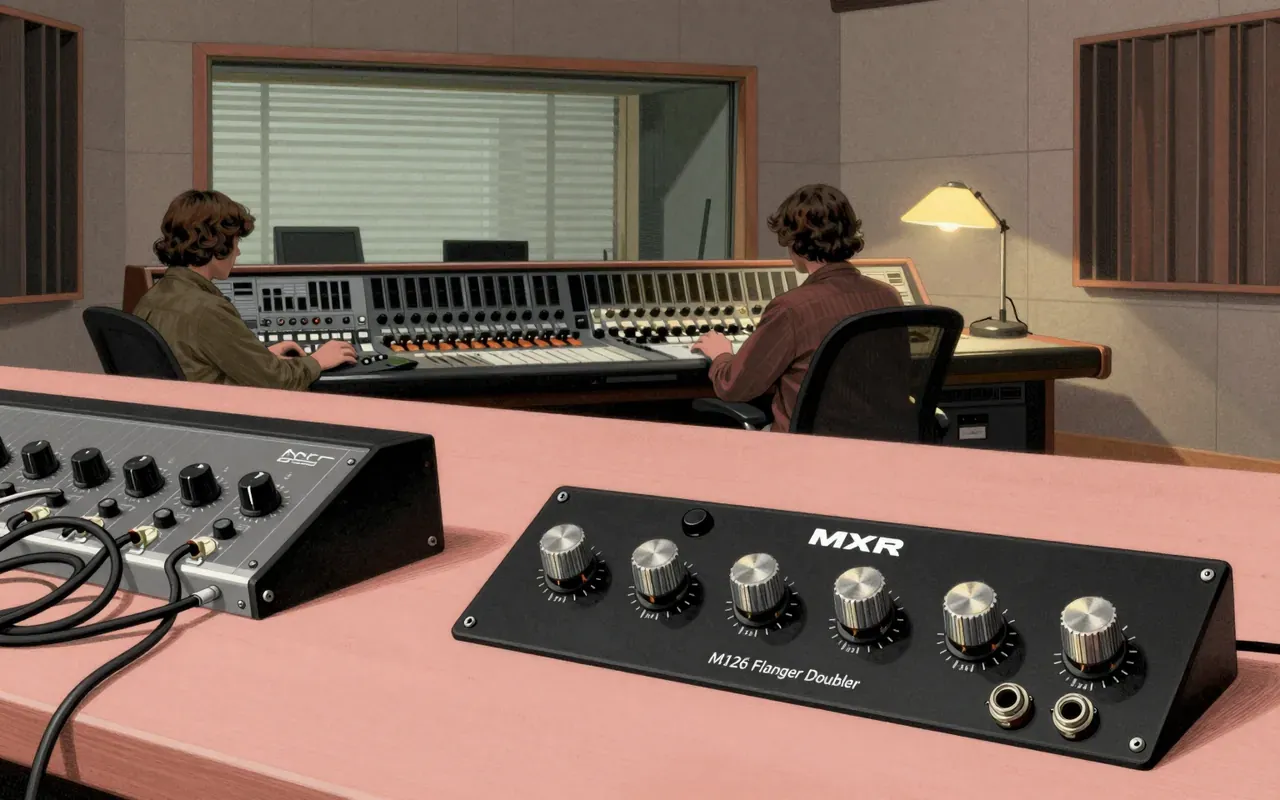
MXR Flanger/DoublerMXRThe MXR M126 Flanger/Doubler is a two-space analog rack unit with front-panel 1/4" TRS I/O. It gives players manual, sweep width, sweep speed, mix, and regen knobs plus mode and bypass/invert buttons. It delivers a thick flanging sound and fulfils its synthetic doubling function as advertised. It has no stereo I/O, no expression input, no tap tempo, and no presets. No verified recordings or users are cited. Studio engineers needing fixed, tactile analog flanging or doubling should consider it. Live performers, modular users, and those requiring stereo or foot control should not.
8:44
Line 6 DL4Line 6The Line 6 DL4 is a 1999 digital delay pedal. It models 16 vintage delays. It has a 14-second looper. It is one of the first digital modeling effects units.
Up next in Audio

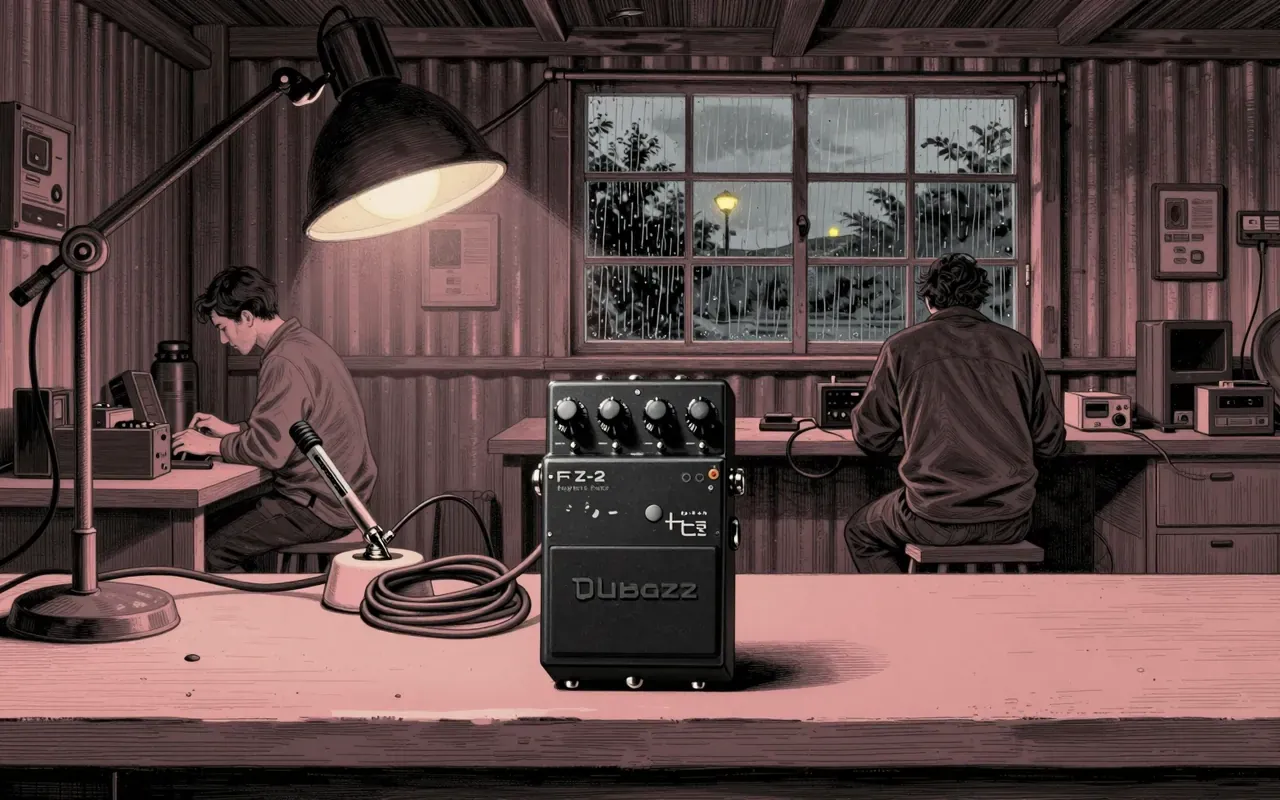
Boss FZ-2 Hyper Fuzz

Boss · 9:23

Three fuzz modes in one box — but no true bypass, no new units, and no way to escape its compressed, unrelenting grind.

9:23