audiobriefs
9:22in productionCh. 1 · Hardware layout/ 9:22 · ceiling 15 min
Effects & pedals · Mixing & mastering

SPL Vitalizer

It doesn’t fix problems — it replaces them with air, width and polish.

The SPL Stereo Vitalizer MK2 is a hands-on exciter that trades surgical control for immediate sonic uplift — sharpening treble, rounding bass, widening stereo image, and adding air. Its strength is cohesion, not correction.

Chapters & takeaways4
  1. 0:50
    Hardware layout

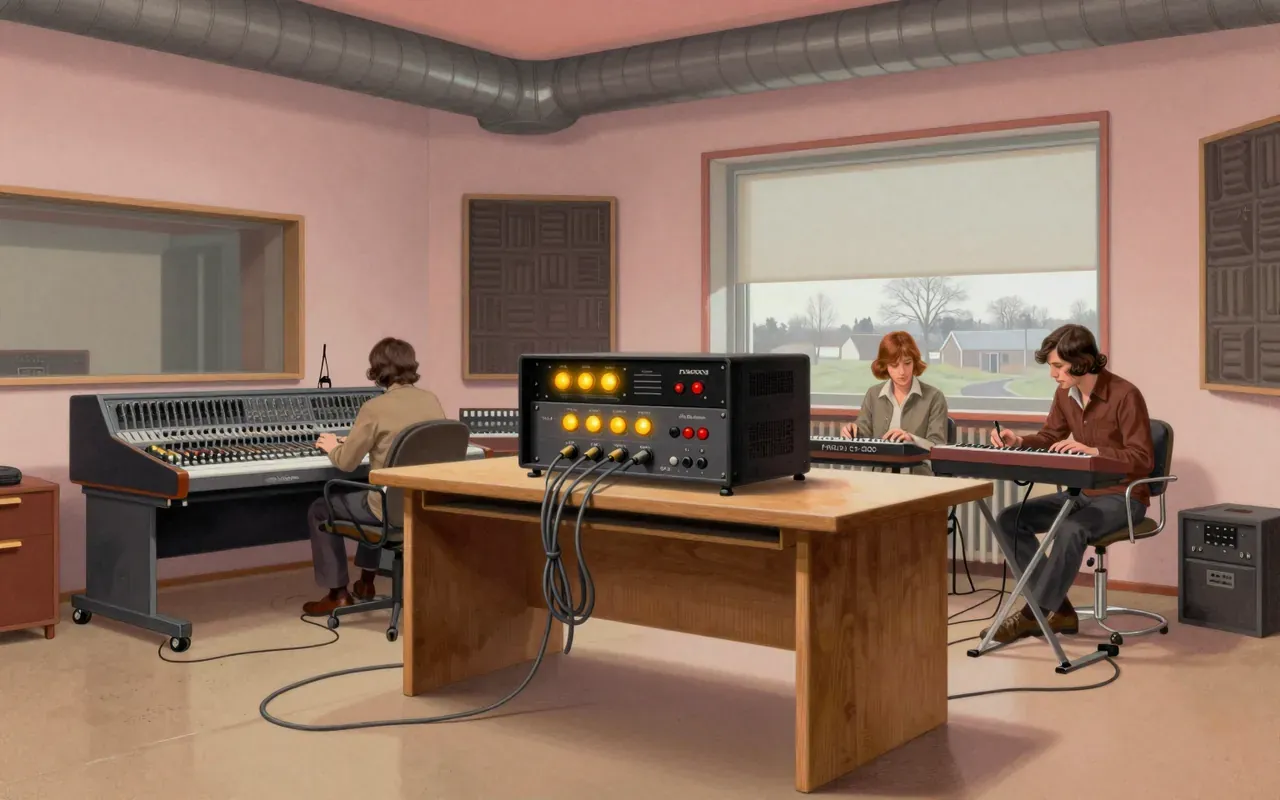
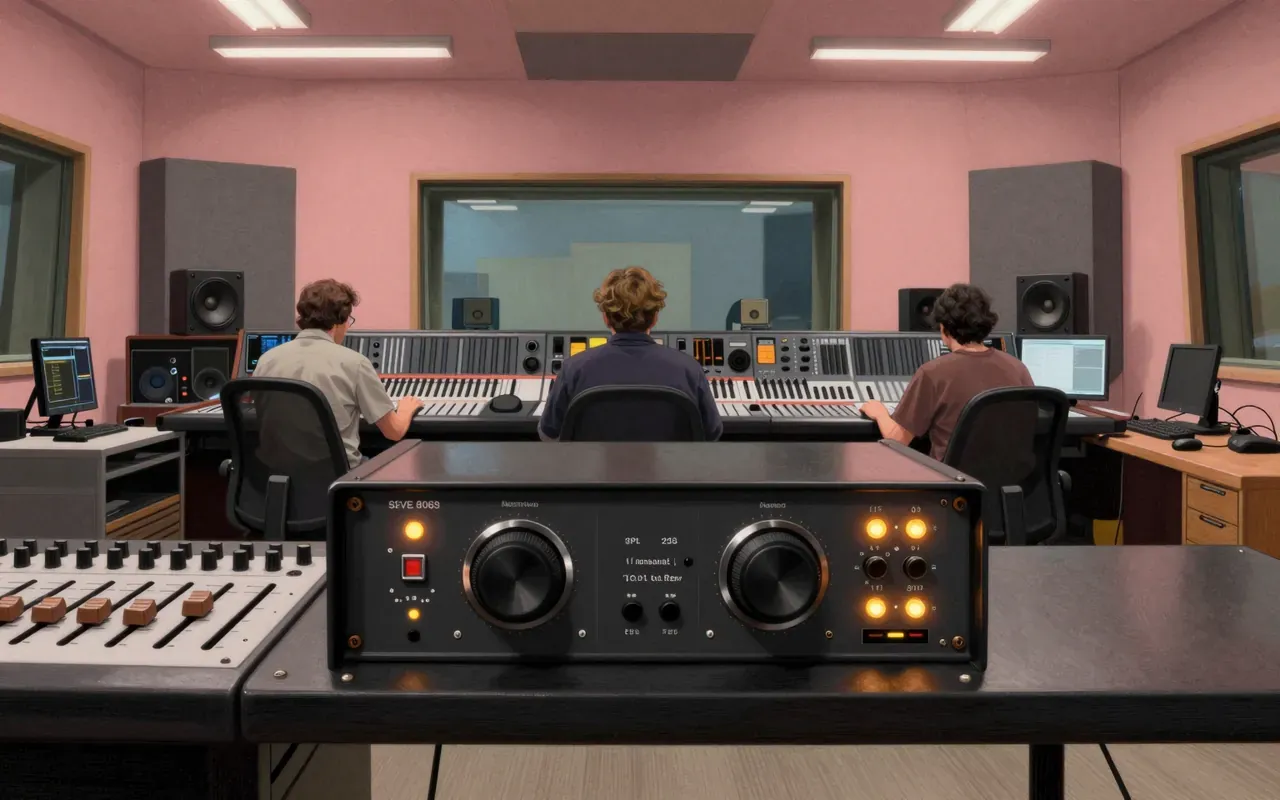
    A 1U rack unit with dedicated physical controls and dual on/off toggles for full signal path control.

  2. 2:20
    Control sensitivity

    Every knob responds sharply — precision comes from restraint, not granularity.

  3. 4:13
    What it enhances

    It adds treble lift, rounded bass and a perceptible sense of openness — all at once.

  4. 5:29
    Synth insert role

    Used on a K2000, it redefines the instrument’s personality — not just brightening, but professionalising.

Worth your time?

Yes. Use the whole thing.

4/ 5
What works
  • adding perceptible openness
  • enhancing stereo imaging
  • rounding bass without smearing
What does not
  • offer multi-band processing
  • allow independent left/right adjustment
  • preserve dynamic range unchanged
Use it if
  • mix engineers seeking quick polish
  • electronic musicians using vintage synths
Skip it if
  • purists requiring transparency
  • engineers needing recallable settings
The written brief1 min read

What it is and what it was built for

The SPL Stereo Vitalizer MK2 is a 1U rack-mount exciter/enhancer built to add clarity, width and professional sheen to stereo program material — especially on synthesizers and finished mixes.

How it works, in terms a player would use

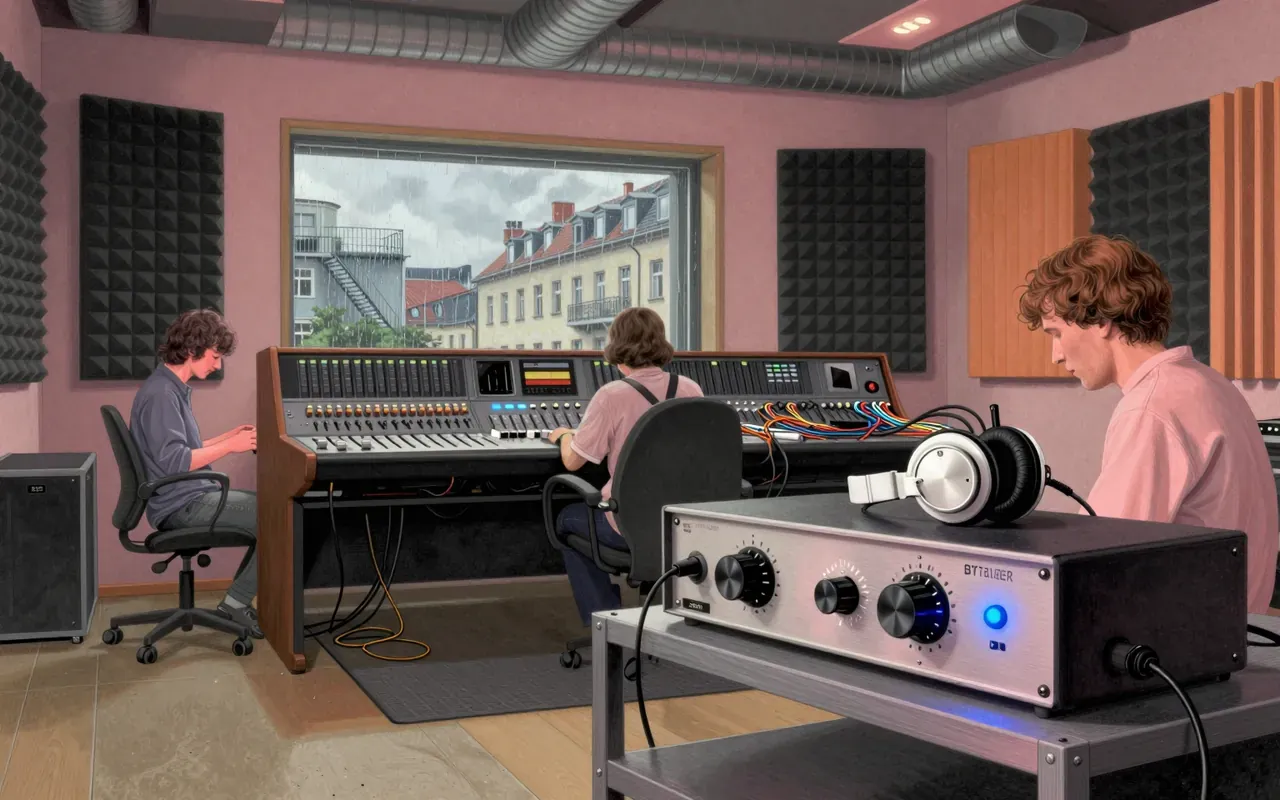
It works via front-panel knobs and switches: bass compression (soft/tight), Drive, frequency threshold (1 kHz–22 kHz), quality control (2 kHz–20 kHz), and stereo expander. A single blue LED lights when low-frequency gain reduction engages. An overall bypass switch and separate stereo expander on/off toggle give precise routing control.

What it does better than anything else

It delivers perceptible ‘breathing’ openness and stereo imaging lift more immediately and cohesively than most exciters. Its bass compression rounds out low-end without muddying transients, and its treble enhancement avoids harshness when set carefully.

What it does badly

It does not offer fine-grained frequency band isolation or independent left/right processing. It cannot correct tonal imbalance without affecting perceived air and width. Its sensitivity demands constant attention — small turns yield large changes, making recall and subtle automation difficult.

What people made with it

Users applied it as an insert on K2000 synthesizers to transform their sonic character and elevate perceived professionalism.

Who should use it, and who should not

Producers and engineers who work with dense electronic sources and want fast, hands-on enhancement. Not for those who prioritise neutrality, surgical correction, or channel-strip flexibility.

Is it worth your time

Yes — if you need immediate, tactile control over brightness, stereo width and bass definition in a final mix or synth insert chain. No — if you require surgical EQ, dynamic range preservation, or transparent processing.
Same bench · Effects & pedals4 of 121
9:08
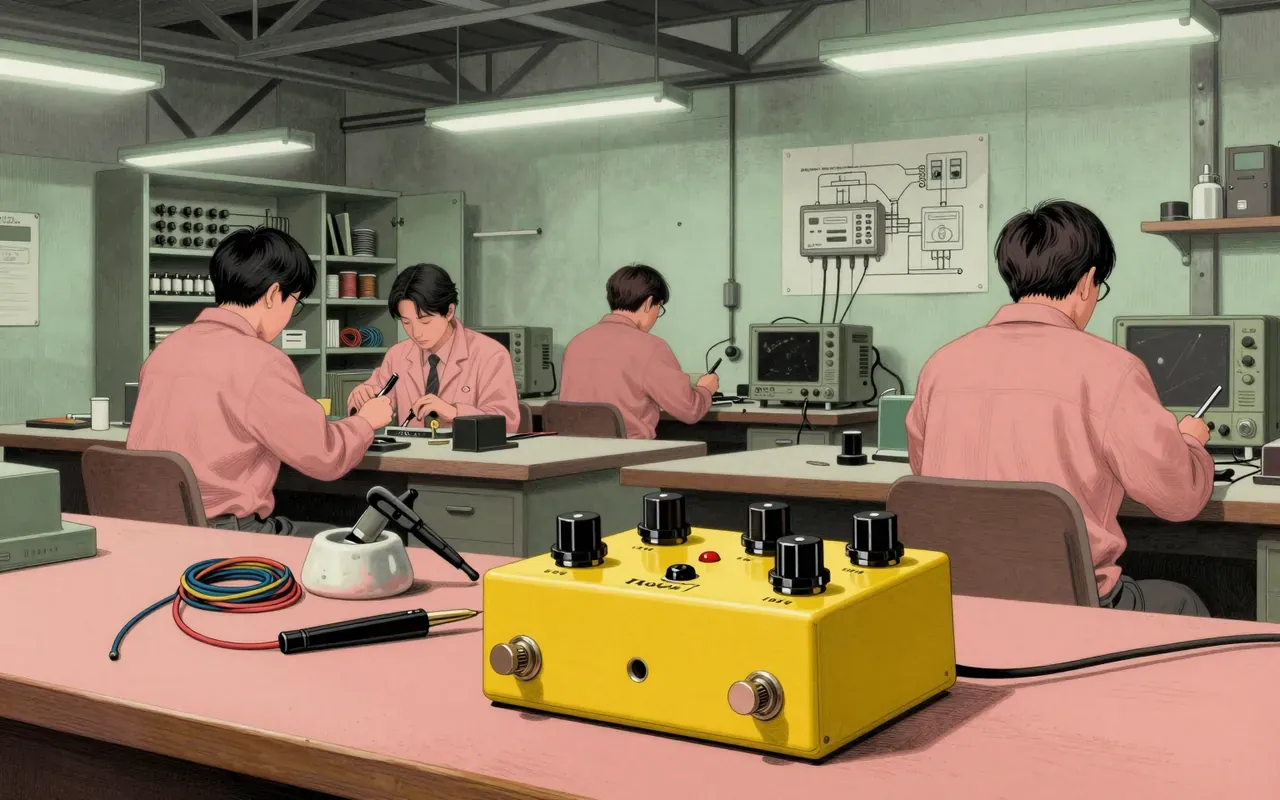
Ibanez FL9 FlangerIbanezThe Ibanez FL9 Flanger is an analog stompbox flanger pedal for guitar. It delivers swooshing phase-based effects via four knobs: Speed, Regen, Width, and Delay Time. It is not true bypass, so it colours the signal even when disengaged. It does not claim to be anything else — no digital emulation, no stereo outputs, no expression input, no presets.
8:57
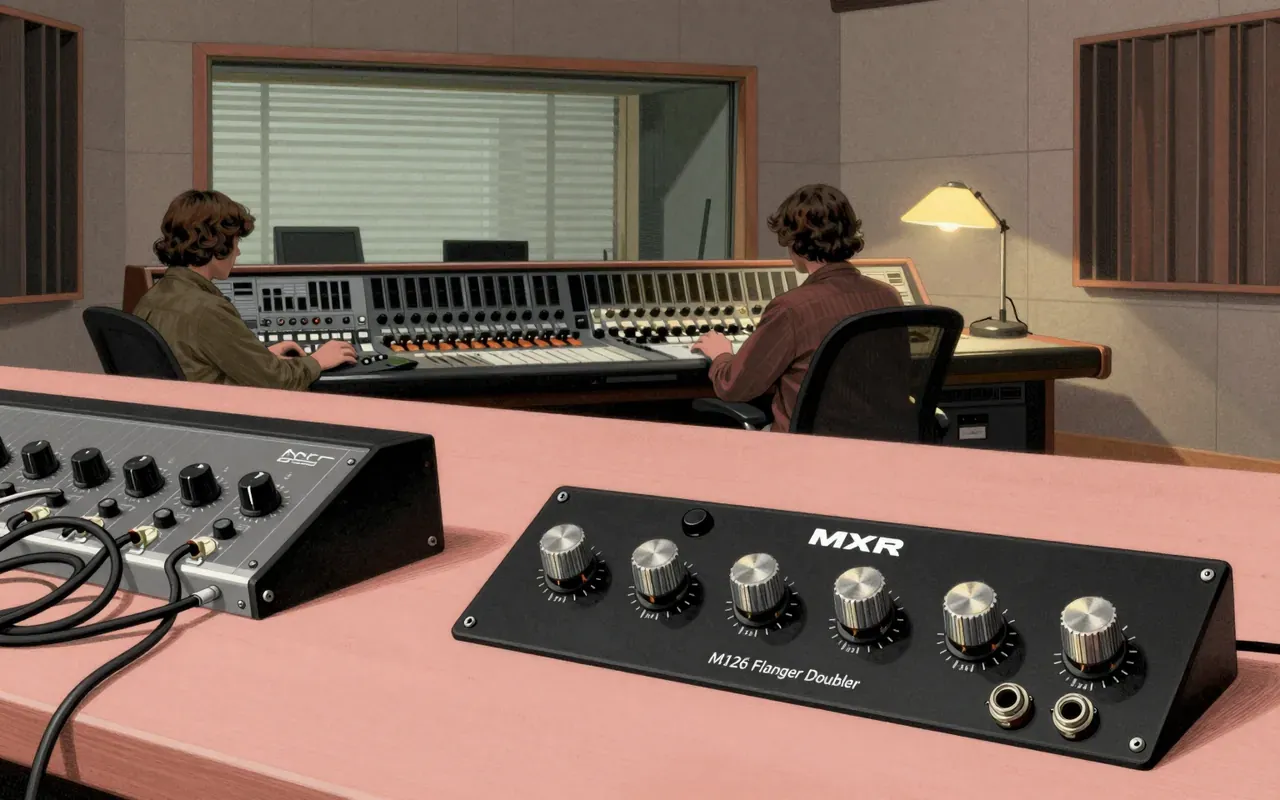
MXR Flanger/DoublerMXRThe MXR M126 Flanger/Doubler is a two-space analog rack unit with front-panel 1/4" TRS I/O. It gives players manual, sweep width, sweep speed, mix, and regen knobs plus mode and bypass/invert buttons. It delivers a thick flanging sound and fulfils its synthetic doubling function as advertised. It has no stereo I/O, no expression input, no tap tempo, and no presets. No verified recordings or users are cited. Studio engineers needing fixed, tactile analog flanging or doubling should consider it. Live performers, modular users, and those requiring stereo or foot control should not.
9:30
TC ElectronicTC Electronic · 1976FireworX is a 1998 programmable multi-effects processor from TC Electronic. It offers deep routing, vocoding, ring modulation, noise generation, and parametric EQ — all in one hardware unit. It won the 1998 TEC Award for best Hardware Signal Processing Technology. No evidence exists in the sources about its use by specific artists, its interface design beyond knobs and LEDs, or its suitability for guitarists.
10:17
SPL Transient DesignerSPLThe SPL Transient Designer is a plug-in that reshapes sound by directly manipulating attack and decay — not through compression or gating, but via level-independent envelope control. It excels at tightening, lifting, or taming transients across full-bandwidth sources, but offers no frequency selectivity or threshold-based dynamics. It belongs on drum busses, room mics, and bass tracks — not on vocals needing surgical sibilance control or synths needing dynamic layering.
Up next in Audio

Sennheiser Vocoder 2000

Sennheiser · 9:43

It doesn’t speak — it forces speech through analog grit, one knob at a time.

9:43