What it is and what it was built for
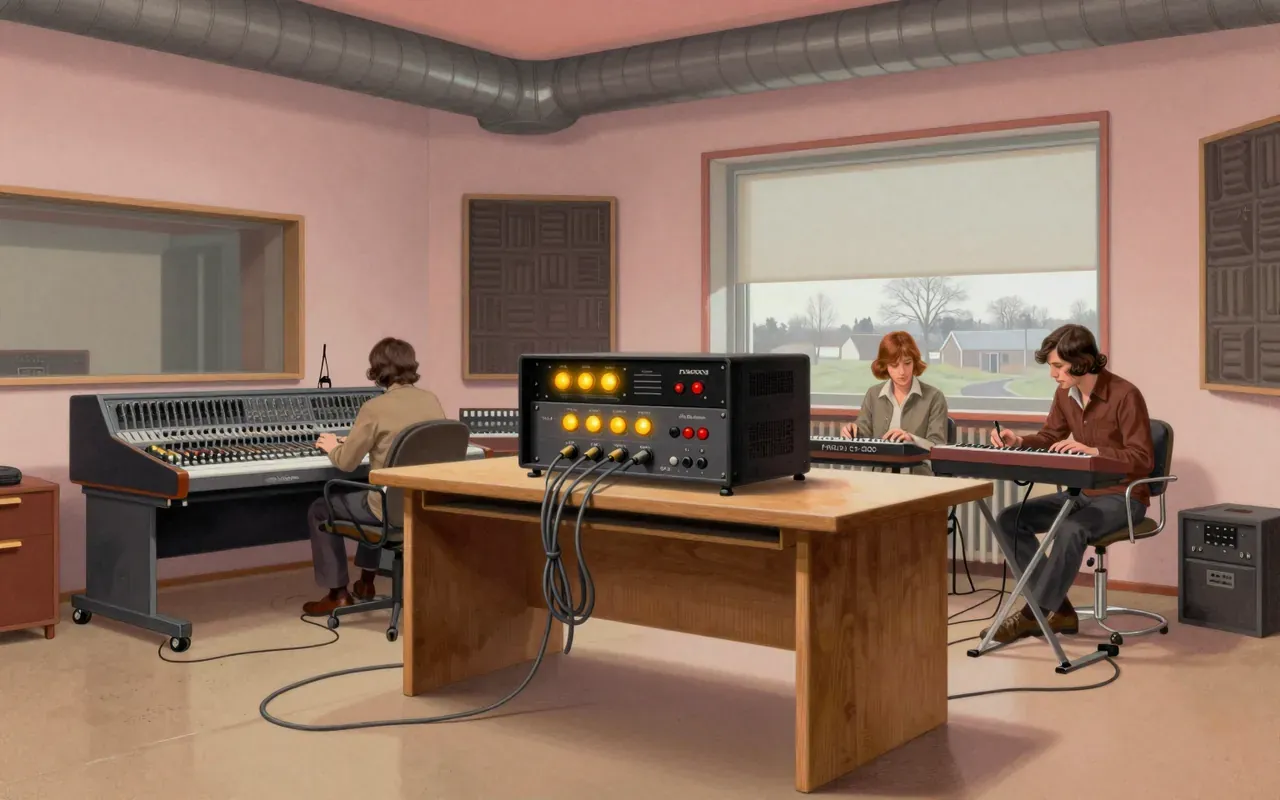
FireworX is a 1998 multi-effects processor built for studio and stage use. It was designed for musicians and engineers who needed deep, programmable control over signal flow — not just preset stacking, but structural reconfiguration of effects order and interaction.
How it works, in terms a player would use
FireworX is a programmable, routable multi-effects processor. Players patch distortion, compression, reverb, delay, ring modulation, vocoding, parametric EQ, tremolo, noise and curve generators in custom signal chains. Parameters are adjustable per effect, and routing options are extensive.
What it does better than anything else
It routes effects more flexibly than any other hardware unit from its era confirmed in the sources. It combines vocoding, ring modulation, noise generation, and parametric EQ in one box — and allows those elements to be reordered, layered, and modulated in ways few contemporaries offered.
What it does badly
It does not serve guitarists seeking intuitive, pedalboard-style operation. There is no evidence it supports expression pedals, footswitches, or real-time macro control. Its interface is not described as tactile or immediate.
What people made with it
The sources do not state what people made with FireworX. No recordings, artists, albums, or sonic outcomes are named or implied.
Who should use it, and who should not
Sound designers, electronic performers, and studio engineers who work with modular thinking and non-standard signal paths should use it. Guitarists relying on traditional stompbox workflows or needing amp-like responsiveness should not.
Is it worth your time
It is worth your time if you need a single hardware unit to experiment with complex, non-linear effect combinations in real time — especially for sound design or live processing of synths or vocals. It is not worth your time if you need simplicity, low latency, or guitar-amp integration.