What it is and what it was built for
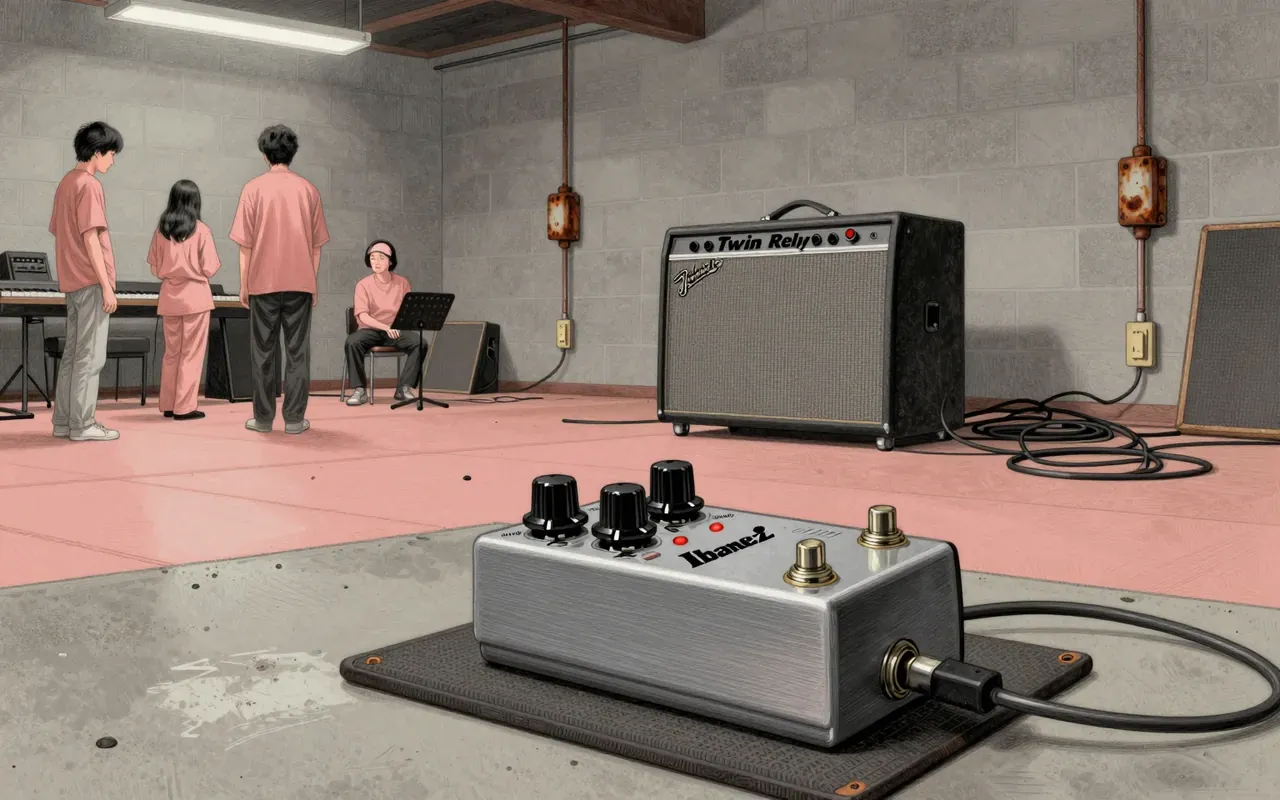
It is an analog overdrive pedal in the Tube Screamer series. It was built to add subtle, musical gain to guitar signals—primarily for solos and blues-rock—not to replace an amp’s distortion or generate extreme saturation.
How it works, in terms a player would use
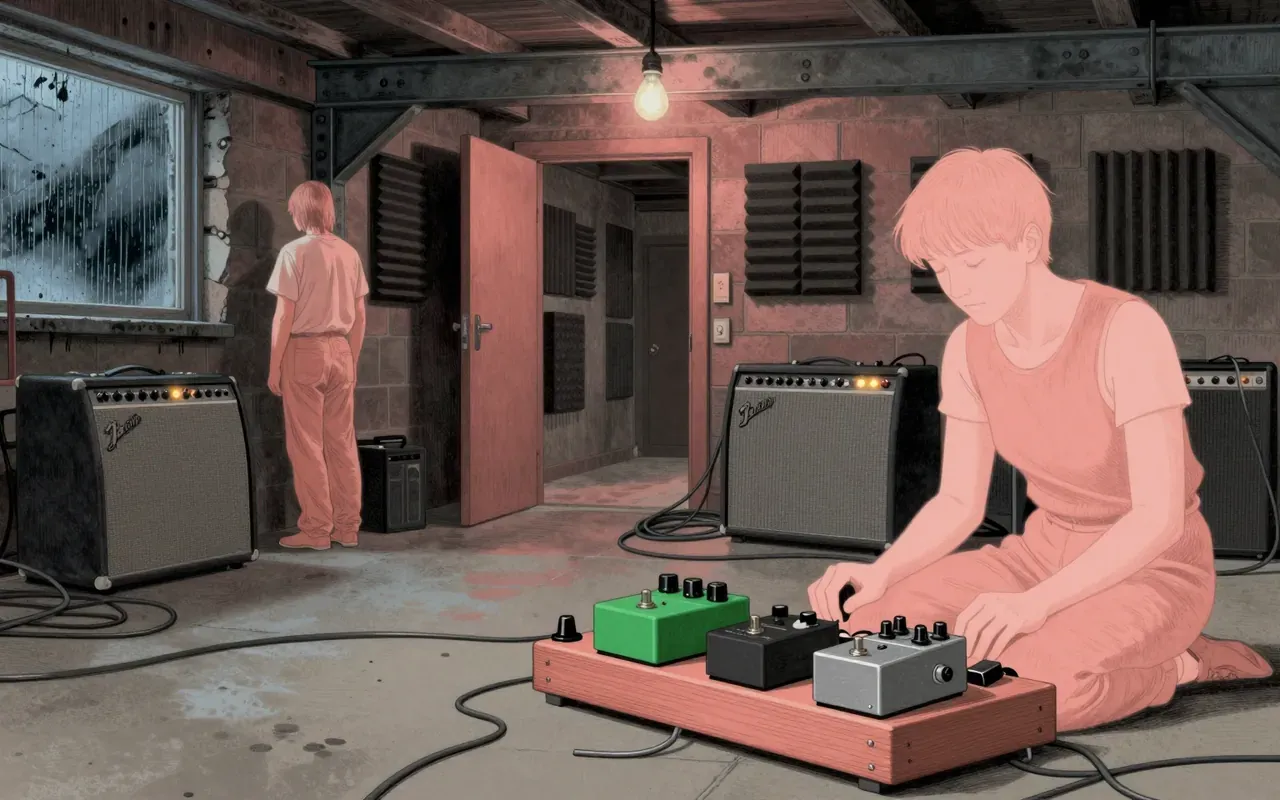
It has three knobs: tone, level (volume), and overdrive (gain). It uses the JRC4558 chip. It runs on a 9-volt battery or external AC adapter. Its metal housing measures 4.9” x 2.8” x 2” and weighs just over a pound.
What it does better than anything else
It delivers a warm, smooth, mid-heavy overdrive that cuts through a band mix without fizz or compression—better than most pedals at pushing an already-driven tube amp into singing, articulate lead tones.
What it does badly
It does not deliver high-gain distortion. It cannot sustain heavy riffing or metal-style saturation. It offers no EQ beyond the single tone knob, no clipping mode switch, no buffer, no true bypass confirmation, and no output impedance matching.
What people made with it
Players used it to shape expressive, vocal-like lead tones—especially when stacked with tube amps—creating signature sounds in blues-rock contexts where clarity, touch sensitivity, and midrange focus mattered more than raw gain.
Who should use it, and who should not
Guitarists who play blues, classic rock, or indie styles and want a compact, durable pedal that lifts solos without muddying rhythm parts. Not for metal players, bassists, or anyone needing clean boost, full-range EQ, or high-headroom drive.
Is it worth your time
Yes—if you need warm, smooth, mid-heavy overdrive for solos and blues-rock, and can accept its narrow gain range and lack of tonal flexibility.